




Irresistible Drinks in Jamaica: Red Stripe, Rum Punch, and Blue Mountain Coffee
Jamaica's drink scene in 2026 continues to evolve while staying rooted in tradition. The island's three signature beverages Red Stripe beer, rum punch, and Blue Mountain coffee remain central to the Jamaican experience, though each has adapted to changing tastes and market conditions. Here's the current state of these iconic drinks.

Red Stripe: The Beer That Built a Brand

Current Ownership and Production
Heineken maintains ownership of Red Stripe through its 2015 acquisition. The main brewery operates in Kingston, Jamaica, producing beer for both domestic consumption and international export. Production capacity at the Kingston facility handles millions of cases annually, with distribution reaching over 40 countries.
The Product Today
Red Stripe remains a 4.7% ABV pale lager. The recipe uses water, malted barley, hops, and corn. The corn component creates the beer's characteristic light sweetness and easy-drinking profile. The stubby bottle format continues as the primary packaging, though the company also distributes in standard bottles, cans, and kegs.
Market Position in 2026
Red Stripe faces increased competition from craft beer movements and changing consumer preferences. The brand has responded by introducing limited editions and seasonal variations while maintaining its core product. The company emphasizes its Jamaican heritage in marketing campaigns, positioning itself as an authentic island experience rather than just another beer brand.
Price Points
In Jamaica, Red Stripe costs approximately $2-3 USD per bottle in local bars and shops. Tourist areas charge $4-6 USD. Export markets see higher prices $8-12 USD per six-pack in U.S. retail stores. Bars in major cities charge $6-8 USD per bottle in venues where Red Stripe positions as a premium import.
Distribution Channels
The beer is available everywhere in Jamaica from gas stations to upscale restaurants. Beach vendors carry coolers full of ice-cold bottles. Corner shops stock it alongside local sodas. International availability remains strong in the United States, United Kingdom, and Canada, with growing presence in European markets.
Drinking Culture
Jamaicans drink Red Stripe at all social levels. Construction workers grab one after their shift. Office professionals meet for bottles at happy hour. Weekend beach trips always include cases packed in coolers. The beer shows up at christenings, weddings, and funerals. It's democracy in a bottle no pretense, just refreshment.
Pairing Suggestions
1.Red Stripe cuts through Jamaica's intense food flavors:
2.Jerk chicken and pork from roadside stands
3.Fried fish with bammy and festival
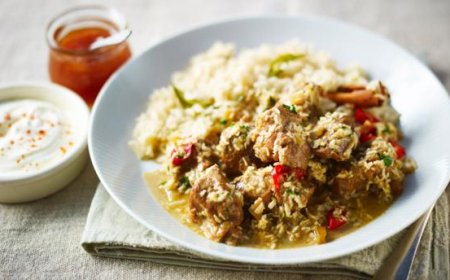
4.Curry goat with rice and peas
5.Beef patties from hot counters
6.Escoveitch fish with pickled vegetables
7.Oxtail stew with hard food
8.Sustainability Initiatives
The brewery has implemented water conservation programs and recycling efforts. The company reports reducing water usage per barrel of beer produced and increasing the percentage of recycled glass in production. Solar panels now supplement power at the Kingston facility.
Rum Punch: The Evolving Classic
The Rum Industry in 2026
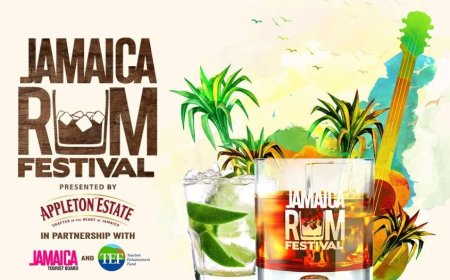
Jamaica's rum sector continues to gain international recognition. Three major producers dominate: Appleton Estate (owned by Campari Group), Wray & Nephew (owned by Gruppo Campari), and Worthy Park Estate (family-owned). These distilleries produce everything from white overproof rum to aged premium expressions.
Standard Recipe Framework
The classic formula persists: one part sour, two parts sweet, three parts strong, four parts weak. Modern interpretations adjust these ratios based on rum strength and juice selection. Most contemporary recipes use:
1.Fresh lime juice (2 ounces)
2.Simple syrup or grenadine (3-4 ounces)
3.Jamaican rum (4-5 ounces)
4.Tropical juice blend (6-8 ounces)
5.Fresh grated nutmeg on top
6.Angostura bitters (2-3 dashes)
7Rum Selection Trends
Bartenders in 2026 experiment with different rum profiles:
Wray & Nephew Overproof: Still the traditional choice at 63% ABV, requires careful measurement
Appleton Estate Signature Blend: Mid-range option providing flavor without overwhelming strength
Worthy Park Single Estate Reserve: Premium choice for upscale establishments
Rum-Fire White Overproof: Gaining popularity for its intense flavor at 63% ABV
Aged rum blends: Some establishments mix white and aged rums for complexity
Regional Variations Across Jamaica
Different parts of the island maintain distinct approaches:
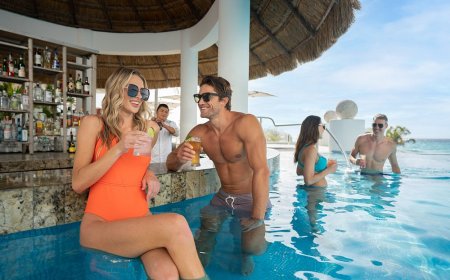
Negril: Beach bars favor fruit-forward versions with pineapple, orange, and passion fruit juice. Sweeter profile appeals to tourists. Served in large plastic cups with umbrellas.
Ocho Rios: Resort versions tend toward moderation in alcohol content, ensuring guests remain functional. More juice, less overproof rum. Garnished elaborately with fruit skewers.
Kingston: City bars make stronger versions with less juice dilution. Often served in smaller portions acknowledging higher alcohol content. Less garnish, more substance.
Port Antonio: Portland parish versions sometimes incorporate local fruits like otaheite apples or star fruit. More experimental and craft-focused.
Montego Bay: Tourist-heavy versions balance strength with palatability. Many establishments offer "mild," "regular," and "strong" options.
Craft Cocktail Movement
High-end bars now create premium rum punch variations. These use freshly pressed juices, house-made syrups, and aged rums. Prices run $12-18 USD per cocktail. Presentation includes proper glassware, fresh herb garnishes, and precise measurements. These versions respect tradition while applying modern technique.
Street Vendor Reality
Roadside sellers still mix rum punch in recycled plastic bottles. Quality varies dramatically some are excellent, others are overly sweet or dangerously strong. Prices range from $3-7 USD. Smart visitors watch the mixing process and ask about rum quantity before purchasing.
Pre-Mixed Products
Several brands now bottle ready-to-drink rum punch for retail. These appear in Jamaican supermarkets and duty-free shops. Quality rarely matches fresh-made versions. Convenience factor appeals to beach-goers and cruise ship passengers. Most lack the balance and freshness of proper rum punch.
Blue Mountain Coffee: Global Demand Meets Limited Supply
Growing Region Status
The Blue Mountain coffee growing area remains restricted to specific elevations (3,000-5,500 feet) in Portland, St. Andrew, St. Thomas, and St. Mary parishes. Total cultivation area hasn't expanded
significantly approximately 6,000 acres remain under production. This geographic limitation ensures prices stay high and availability stays limited.
Climate Challenges
Coffee farmers face increasing climate variability. Rainfall patterns have shifted, creating both drought stress and excessive moisture issues. Temperature fluctuations affect cherry development. Farmers adapt by improving shade management, adjusting processing techniques, and investing in water conservation. Some estates report yield fluctuations of 20-30% year to year.
Production Numbers
Annual Blue Mountain coffee production ranges between 500,000-700,000 pounds depending on harvest conditions. This represents a tiny fraction of global coffee production. The limited supply supports premium pricing but frustrates demand. Most crop continues flowing to Japan, though North American and European markets have increased their share.
Certification and Authentication
The Coffee Industry Board of Jamaica maintains strict oversight. All legitimate Blue Mountain coffee carries official certification. Each barrel receives an inspection stamp. Export documentation traces beans from farm to buyer. The system combats fraud, though counterfeit products still appear in international markets.
Current Pricing Structure
Authentic Blue Mountain coffee pricing in 2026:
Grade 1 beans: $60-90 USD per pound retail
Grade 2 beans: $45-70 USD per pound retail
Peaberry beans: $70-100 USD per pound retail
Estate-direct purchases: $50-80 USD per pound
Tourist shop prices: $80-150 USD per pound (often includes fancy packaging)
Café prices for a cup range from $8-15 USD in Jamaica, $10-20 USD internationally at specialty coffee shops.
Major Producers and Estates
Several key operations dominate production:
Mavis Bank Coffee Factory: Processes beans from multiple farms. Offers tours showing the wet processing, drying, and sorting operations. Visitor center includes a café serving fresh-brewed coffee. Located deep in the mountains requiring a challenging drive.
Wallenford Estate: One of the largest single producers. Modern processing facility with quality control labs. Sells directly to consumers through their online platform and estate shop.
Craighton Estate: Boutique producer focusing on sustainable farming practices. Offers farm stays where visitors can participate in harvest activities. Premium prices reflect small-batch production.
Old Tavern Coffee Estate: Historic property with traditional processing methods. Tours emphasize heritage and hand-crafted approach. On-site accommodations allow multi-day coffee immersion experiences.
Clifton Mount Estate: Family-owned operation producing consistently high-quality beans. Direct sales to international buyers. Limited tourist facilities but authentic farm experience.
1.Flavor Profile Characteristics
2.Blue Mountain coffee in 2026 maintains its reputation for:
3.Exceptionally clean cup with no harsh notes
4.Balanced acidity that brightens without sourness
5.Medium body with silky mouthfeel
6.Subtle sweetness without added sugar
Flavor notes including milk chocolate, hazelnut, and delicate florals
Long, clean finish
Minimal bitterness even when slightly over-extracted
Brewing Methods for Optimal Results
Coffee experts recommend specific approaches:
Pour-Over Method: Use 20 grams coffee to 320 grams water (1:16 ratio). Water temperature 200°F. Total brew time 2.5-3 minutes. Highlights clarity and complexity.
French Press: Coarse grind, 1:15 ratio, 4-minute steep time. Produces fuller body while maintaining smoothness.
AeroPress: Medium-fine grind, inverted method, 2-minute steep. Creates concentrated, flavorful cup suitable for travelers.
Espresso: Requires careful dialing in. 18-20 gram dose, 25-30 second extraction. Many argue espresso preparation wastes the coffee's subtlety.
Cold Brew: 1:8 ratio, 16-24 hour steep time. Produces smooth, sweet concentrate. Popular in Jamaica's heat.
The Authenticity Problem
Counterfeit Blue Mountain coffee floods international markets. Products labeled "Blue Mountain style" or "Blue Mountain blend" contain little or no actual Blue Mountain beans. Even some products in Jamaica claiming authenticity lack proper certification. Buyers should:
Verify Coffee Industry Board certification stamps
Purchase from established, reputable sellers
Expect to pay premium prices-bargains are suspicious
Check for specific estate names rather than generic "Blue Mountain" labels
Request documentation showing farm origin
Tourism and Education
Coffee tours have become major tourist attractions. Visitors drive winding mountain roads to reach farms.
Tours typically last 2-4 hours and include:
1.Walking through coffee plants at various growth stages
2.Explanation of harvesting and processing techniques
3.Demonstration of sorting and grading
4.Tasting sessions comparing different roast levels
5.Opportunity to purchase certified beans directly
Tour costs range from $30-80 USD per person. Transportation to mountain locations requires additional planning rental cars with good climbing power or arranged tours from coastal areas.
Sustainability Initiatives
Coffee farms face pressure to maintain environmental standards:
1.Shade-grown cultivation protects forest cover
2.Water management systems reduce processing waste
3.Organic certification programs expand slowly
4.Fair labor practices ensure picker compensation
5.Soil conservation techniques prevent erosion on steep slopes
Some estates pursue carbon-neutral certification, though the verification process remains challenging for small producers.
Market Trends Affecting All Three Drinks
Tourism Recovery Impact
Jamaica's tourism sector has rebounded fully from pandemic disruptions. Visitor numbers in 2026 exceed pre-2020 levels. This drives demand for all three signature drinks. Cruise ship passengers, resort guests, and independent travelers all seek authentic Jamaican beverage experiences. Bars, cafés, and shops adjust inventory to meet demand.
Local Consumer Preferences
Jamaican residents show evolving tastes. Younger consumers experiment with craft cocktails and specialty coffee while maintaining appreciation for Red Stripe. Middle-class growth increases spending power for premium products. Urban areas support more diverse beverage options while rural areas remain traditionalist.
Export Market Dynamics
International demand for Jamaican products stays strong. Diaspora communities drive sales in North America and the United Kingdom. Global interest in rum continues expanding, benefiting Jamaican producers. Specialty coffee markets in Asia and North America compete for limited Blue Mountain production.
Pricing Pressures
Inflation affects all three drinks. Production costs rise due to energy prices, labor costs, and supply chain challenges. Red Stripe maintains relatively stable pricing through volume sales. Rum punch costs fluctuate based on rum prices and fresh ingredient availability. Blue Mountain coffee prices continue upward trajectory due to supply constraints and growing demand.
Digital Marketing Evolution
All three products leverage social media presence. Red Stripe sponsors music festivals and sports events, creating shareable content. Rum brands partner with mixologists creating Instagram-worthy cocktails. Coffee estates maintain active online presences showcasing farm life and brewing techniques. E-commerce options expand for direct-to-consumer sales.
Experiencing These Drinks in Jamaica
1.Budget-Friendly Approach
2.Travelers on limited budgets can still enjoy authentic experiences:
3.Red Stripe from local shops: $2-3 USD
4.Rum punch at local bars: $5-8 USD
5.Blue Mountain coffee at Kingston cafés: $8-12 USD for a cup
6.Total beverage experience: Under $25 USD
7.Mid-Range Experience
8.Moderate spending unlocks better quality:
9.Red Stripe at beach bars with ocean views: $4-6 USD
10.Craft rum punch at hotel bars: $10-15 USD
11.Blue Mountain coffee with pastry at quality café: $15-20 USD
12.Coffee estate tour with tasting: $40-60 USD
13.Total experience: $70-100 USD
14.Premium Experience
15.High-end options provide exceptional quality:
16.Red Stripe at exclusive venues: $6-8 USD
17.Premium rum punch made with aged rum at upscale bars: $15-25 USD
18.Private coffee estate tour with lunch: $100-150 USD
19.Purchase of certified Blue Mountain beans: $70-100 USD per pound
20.Total luxury experience: $200-300 USD
Geographic Recommendations
Different regions offer distinct experiences:
Kingston: Best for authentic local versions of all three drinks. City bars serve real rum punch without tourist inflation. Coffee roasters and cafés offer proper Blue Mountain brewing. Red Stripe flows freely everywhere.
Negril: Beach culture emphasizes Red Stripe and rum punch. Coffee less prominent but available. Prices skew higher in tourist zones. Seven-mile beach bars provide classic Jamaican drinking atmosphere.
Ocho Rios: Resort-heavy area with polished versions of traditional drinks. Quality varies some spots cater
to cruise passengers with mediocre products, others maintain standards. Dunn's River Falls area has good local options.
Port Antonio: Portland parish offers the most authentic coffee experience you're in Blue Mountain growing territory. Less touristy overall, prices reflect local economy. Excellent for serious coffee enthusiasts.
Montego Bay: Tourist infrastructure provides easy access to all three drinks. Hip Strip bars and restaurants offer consistent quality at tourist prices. Local neighborhoods provide better value and authenticity.
The Cultural Significance
These three drinks represent different aspects of Jamaican identity in 2026. Red Stripe embodies the island's casual, inclusive social culture. Rum punch connects to history while celebrating tropical abundance and creativity. Blue Mountain coffee showcases Jamaica's ability to produce world-class agricultural products commanding global respect.
Visitors who engage seriously with these drinks gain deeper understanding of Jamaica beyond resort amenities and tourist attractions. Sharing a Red Stripe with locals opens conversations about daily life. Learning rum punch techniques from experienced bartenders reveals pride in craft. Touring coffee farms in the Blue Mountains demonstrates the skill and dedication behind premium products.
The drinks also reflect Jamaica's economic realities. Red Stripe remains accessible across income levels. Rum punch ranges from street vendor versions to craft cocktails. Blue Mountain coffee splits between export commodity and local luxury. Each beverage occupies its particular niche in Jamaican life while also serving as cultural ambassador to the world.
In 2026, these drinks continue evolving while maintaining their essential character. Red Stripe adapts marketing while keeping its core identity. Rum punch balances tradition with craft cocktail innovation. Blue Mountain coffee faces climate challenges while maintaining quality standards. All three remain essential elements of the Jamaican experience worth seeking out, understanding, and enjoying properly.
What's Your Reaction?
 Like
0
Like
0
 Dislike
0
Dislike
0
 Love
0
Love
0
 Funny
0
Funny
0
 Angry
0
Angry
0
 Sad
0
Sad
0
 Wow
0
Wow
0