

































CBI Programs: Combining Residency with Profitable Real Estate
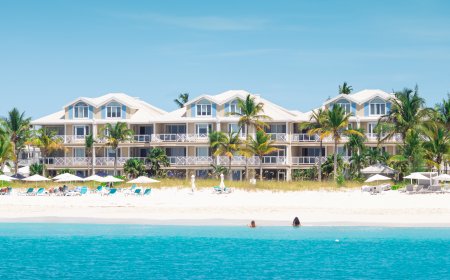
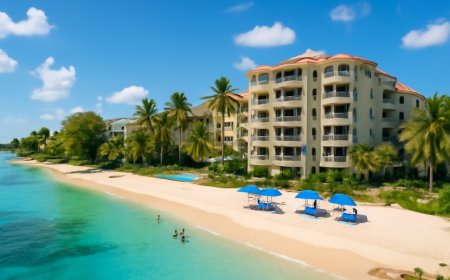
Citizenship-by-Investment (CBI) programs in the Caribbean and Europe increasingly link residency rights to real estate investments that generate strong returns. Countries such as St. Kitts & Nevis, Dominica, Grenada, Antigua & Barbuda, and Portugal offer investors government-approved property options including resort residences, branded villas, and fractional ownership units. These properties often come with guaranteed rental income, buyback options, and long-term capital appreciation potential.


Citizenship by Investment (CBI) programs have evolved into a strategic tool for obtaining second citizenship while building a real estate portfolio. These programs allow investors to secure citizenship or residency rights by purchasing property in specific countries. Here's what you need to know about combining residency benefits with real estate investment.

1.What Are Real Estate-Based CBI Programs?
Real estate-based CBI programs grant citizenship or residency to foreign investors who purchase approved properties. The investor buys government-approved real estate, holds it for a minimum period, and receives citizenship rights in return.
The property component serves dual purposes: it satisfies the investment requirement for citizenship and functions as a tangible asset that can generate rental income or appreciate in value.
2.Countries Offering Real Estate CBI Programs
Caribbean Nations
Antigua and Barbuda requires a minimum $300,000 investment in approved real estate projects. The property must be held for at least five years. After this period, investors can sell to another CBI applicant.
Dominica offers citizenship through real estate investment starting at $200,000 in approved projects. The holding period is three years for resale to other CBI investors, seven years for general market sale.
Grenada sets its minimum at $270,000 for approved real estate. This program stands out because it includes visa-free access to China and eligibility for the US E-2 visa treaty.
St. Kitts and Nevis pioneered the CBI concept in 1984. Real estate investment starts at $400,000 in approved properties with a seven-year holding period.
St. Lucia requires $300,000 for approved real estate projects with a five-year minimum holding period.
3.Mediterranean Options
Turkey dropped its threshold significantly in 2018, now requiring $400,000 in real estate with a three-year holding commitment. The property can be sold after this period without affecting citizenship status.
Malta operates a naturalization program requiring property purchase of at least €700,000 or rental of minimum €16,000 annually, combined with other investment components.
Portugal maintains its Golden Visa program with real estate investment options starting at €500,000, or €400,000 for properties over 30 years old or in urban regeneration areas. Recent changes have restricted investments in Lisbon and Porto.
Greece offers residency permits for €250,000 real estate purchases. While not direct citizenship, residency can lead to naturalization after seven years.
4.Financial Considerations and Returns
Investment Ranges
Entry points vary dramatically. Dominica's $200,000 minimum makes it the most accessible Caribbean option. Turkey's $400,000 threshold positions it competitively. European programs command higher prices but offer EU benefits.
Rental Income Potential
Caribbean resort properties typically generate 3-5% annual rental yields. Turkish properties in Istanbul or coastal areas can yield 4-7% annually. Portuguese and Greek properties vary widely based on location, with tourist areas producing 5-8% yields.
Most programs allow rental income during the holding period. Some approved developments include hotel management agreements where the developer handles rentals and maintenance.
5.Capital Appreciation
Property appreciation depends heavily on location and market conditions. Turkish real estate appreciated significantly between 2018-2021. Caribbean markets show steadier but slower growth. Portuguese property values in major cities have risen 30-40% over the past five years.
6.Hidden Costs
Government fees add substantially to the base investment. Processing fees, due diligence costs, and legal expenses typically add $50,000-$100,000 for Caribbean programs. Turkey charges lower administrative fees around $10,000-$15,000.
Annual property maintenance, management fees, and local taxes continue throughout ownership. Caribbean properties often include resort fees of 10-15% of rental income. Property taxes vary by country but remain relatively low in most CBI jurisdictions.
7.The Application Process
Timeline
Processing times range from 3-6 months for Caribbean nations to 12-18 months for European programs. Turkey processes applications in 3-6 months.
Required Documentation
Applicants need clean criminal records, proof of funds, health certificates, and detailed personal documentation. Source of funds documentation has become increasingly stringent across all programs.
Due Diligence
Countries conduct thorough background checks on all applicants. Rejection rates vary but typically run 5-10% for applicants who pass initial screening. Common rejection reasons include incomplete documentation, questionable fund sources, or criminal history.
8.Legal Requirements and Restrictions
Holding Periods
Caribbean programs mandate 3-7 year holding periods. Selling before completion can result in citizenship revocation. Turkey requires three years. European programs vary, with Portugal requiring five years for property-based Golden Visa routes.
9.Approved Developments
Not all properties qualify. Governments maintain lists of approved projects. These typically include resort developments, luxury condominiums, and specific commercial properties. Purchasing non-approved property won't qualify for CBI benefits.
10.Resale Restrictions
Most programs allow resale to other CBI applicants after the minimum holding period. Selling on the open market usually requires longer holding periods. This creates a secondary market specifically for CBI properties.
11.Tax Implications
Source Country Taxes
Many CBI countries offer favourable tax regimes. Caribbean nations typically don't tax foreign income. Turkey taxes worldwide income for residents. Portugal's Non-Habitual Resident regime offers tax benefits for ten years.
12.Home Country Obligations
US citizens face worldwide taxation regardless of additional citizenships. Other countries have varying rules. Professional tax advice is essential before proceeding.
13.Property Taxes
Annual property taxes remain low in most CBI jurisdictions. Caribbean islands charge 0.1-0.5% annually. Turkey's property tax runs 0.1-0.6% depending on property type and location.
Practical Benefits Beyond Citizenship
14.Visa-Free Travel
Caribbean passports offer visa-free access to 140-150 countries including the UK and Schengen area. Turkish citizenship provides access to 110+ countries. European residency permits allow free travel within the Schengen zone.
15.Banking and Business
Second citizenship can facilitate international banking relationships and business establishment in favorable jurisdictions. Some investors use CBI as a tool for business expansion.
16.Family Inclusion
Most programs include spouse and dependent children. Some include dependent parents. Grenada uniquely includes siblings in the application.
17.Education Opportunities
European residency permits grant access to EU education systems at local rates. This can mean significant savings for families with university-age children.
18.Risks and Considerations
Market Volatility
Real estate markets fluctuate. Caribbean tourism dependence makes these markets vulnerable to global economic conditions. The 2020 pandemic demonstrated this risk clearly.
Program Changes
Governments can modify or terminate programs. Antigua temporarily paused its program in 2020. Montenegro closed its program entirely in 2022. Existing citizens typically retain their status, but future benefits may change.
19.Property Management
Distance makes property management challenging. Investors rely heavily on local management companies. Quality varies significantly. Poor management can turn investments unprofitable.
Liquidity Concerns
CBI properties can be difficult to sell, especially during holding periods. The secondary market remains limited. Investors should view these as long-term commitments.
20.Recent Developments and Trends
Increased Scrutiny
The EU has pressured member states to tighten CBI programs. Malta faced significant criticism. Portugal restructured its program in 2023, eliminating options in major cities.
Rising Minimums
Several Caribbean nations raised minimum investment amounts in 2023-2024. This trend reflects increased demand and program maturity.
Digital Nomad Integration
Some countries now blend residency programs with digital nomad visas, creating flexible options for remote .Workers who want eventual citizenship paths.
21.Crypto currency Acceptance
22.Making the Decision
Investment vs. Citizenship Priority
Determine your primary goal. Pure investment returns might be better served elsewhere. If citizenship is primary, view real estate as the vehicle rather than the destination.
23.Country Selection Criteria
Consider visa-free travel needs, tax implications, physical location preferences, and investment budget. Each program offers different combinations of these factors.
24.Professional Guidance
Work with licensed CBI agents, immigration attorneys, and tax advisors. This is not a DIY process. Mistakes can cost hundreds of thousands of dollars.
25.Long-term Perspective
Successful CBI real estate investment requires a 7-10 year horizon minimum. Those seeking quick returns should look elsewhere.
26.The Bottom Line
CBI programs combining residency with real estate investment create opportunities for acquiring second citizenship while building international property portfolios. Returns vary significantly by program and property selection. The citizenship benefits often outweigh pure investment returns, making these programs most suitable for those prioritizing mobility and legal residency over maximum financial gain.
Success requires thorough research, professional guidance, and realistic expectations about both citizenship timelines and investment performance. The right program depends entirely on individual circumstances, financial capacity, and long-term objectives.
What's Your Reaction?
 Like
0
Like
0
 Dislike
0
Dislike
0
 Love
0
Love
0
 Funny
0
Funny
0
 Angry
0
Angry
0
 Sad
0
Sad
0
 Wow
0
Wow
0