


















North and Middle Caicos: Bike Tours and Eco-Explorations
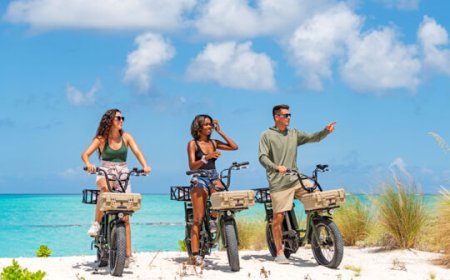
North and Middle Caicos offer one of the most accessible eco-adventure routes in the Turks and Caicos Islands. Bike tours take riders through quiet villages, plantations, wetlands, cliffs, caves, and long beaches. The causeway connecting both islands makes it easy to explore them in a single day. With minimal traffic, abundant nature, and several cultural stops, these islands give travellers a realistic and active way to experience the region.

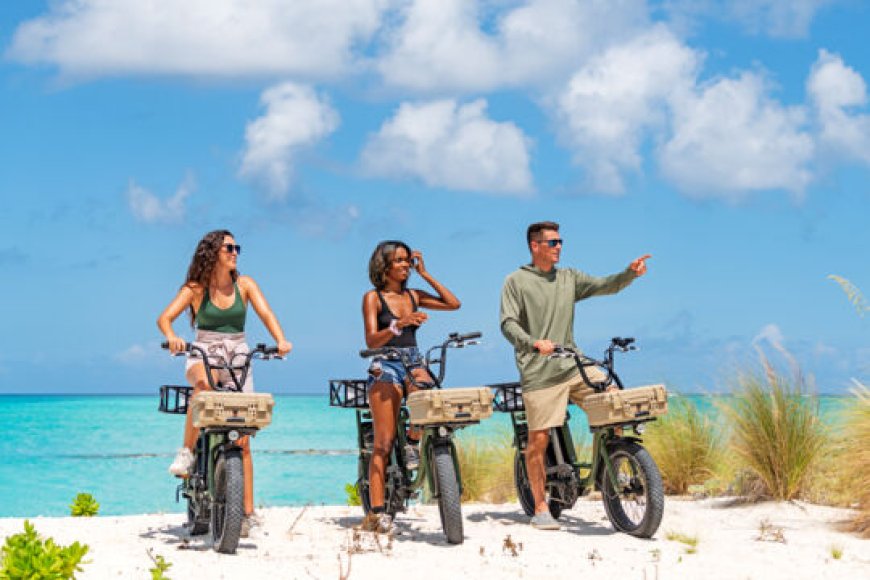
North and Middle Caicos in the Turks and Caicos Islands offer some of the most accessible eco-adventures in the region. These two islands are connected by a causeway, making it possible to explore long stretches of natural landscapes by bike. The area is known for mangrove wetlands, limestone caves, deserted beaches, and small settlements where local culture is still strong. The points below break down how travellers can plan bike tours and eco-exploration routes with clear, practical detail.

1. Start Your Ride in North Caicos
Most visitors arrive by ferry from Providenciales to Sandy Point Marina, North Caicos.
Bike rental shops operate near the marina and in Whitby and Bottle Creek.
Road conditions are generally smooth on the main routes, but some side paths are gravel or packed sand.
2. Plan a Route Through Key North Caicos Villages
Whitby: A residential coastal area with long, quiet beach sections suitable for quick stops.
Kew: Home to small farms and fruit stands where riders can take water breaks.
Bottle Creek: Popular for scenic views of Bottle Creek Lagoon; riders often follow the road along the water for photographs.
3. Visit Wades Green Plantation
Located in Kew on North Caicos.
One of the best-preserved Loyalist plantation sites in the Turks and Caicos.
Cyclists can park bikes near the entrance and walk through the ruins.
Signage provides historical details about the 18th-century cotton estate.
4. Cycle Across the North, Middle Caicos Causeway
A 7-mile raised road linking the two islands.
Offers open views of shallow waters, mangroves, and bird habitats.
Wind conditions can be strong, so riders should pace themselves.
No shops along the causeway, so carrying water is necessary.
5. Explore Middle Caicos’ Nature Reserves
Middle Caicos is less populated, making it ideal for eco-exploration.
The island has several protected sites with limited development.
Traffic is minimal, which makes cycling safe and quiet.
6. Conch Bar Caves National Park
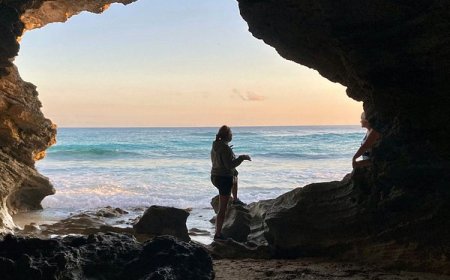
One of the largest dry cave systems in the Caribbean.
Bikes must be left at the entrance; guided tours inside explain rock formations and local folklore.
Helmets and enclosed shoes are recommended due to uneven cave floors.
7. Visit Mudjin Harbour
The most visited natural attraction on Middle Caicos.
Known for cliffs, dunes, and a wide stretch of beach.
Cyclists often walk bikes along the Dragon Cay overlook trail for panoramic views.
Facilities include restrooms and a small restaurant above the cliffs.
8. Ride Inland to Bambarra
A quiet settlement with local houses and a beach that is calm for swimming.
The road leading to Bambarra Beach passes through forests, offering shade during midday.
The beach area is used for annual cultural events such as the Middle Caicos Valentine’s Day Model Sailboat Race.
9. Stop at Local Craft Villages
Middle Caicos is known for basketry and traditional straw weaving.
Craft cooperatives operate in Conch Bar and Bambarra.
Riders can view handmade baskets, hats, and island souvenirs and speak directly with makers.
10. Observe Birdlife in the Wetlands
The wetlands between the islands attract flamingos, herons, ospreys, and various migratory species.
Viewing areas are located near Bottle Creek and along the causeway.
Early morning rides give the best chance of seeing active birdlife.
11. Beach Stops for Rest and Swimming
Whitby Beach (North Caicos): Long and usually uncrowned; good for cooling off.
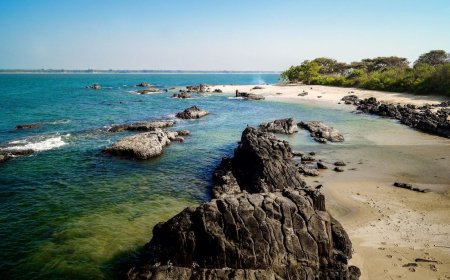
Maudlin Harbour (Middle Caicos): More dramatic waves, better for photography.
Bambarra Beach: Calm and shallow, often chosen by riders for mid-route breaks.
12. Safety Tips for Cyclists
Carry water, sunscreen, and basic repair tools.
Mobile signal is available on main roads but may drop in remote inland areas.
Helmets are recommended due to varying road conditions.
Afternoon heat can be strong, so early morning or late-afternoon rides are common.
13. Guided vs. Self-Guided Bike Tours
Guided tours include local guides who map routes, explain natural sites, and arrange picnic stops.
Self-guided riders can download route maps from local visitor centers or bike shops and follow signposted roads.
Most tours range between 10 and 25 miles depending on the group.
14. Eco-Exploration Add-Ons
Kayaking in Bottle Creek Lagoon for mangrove exploration.
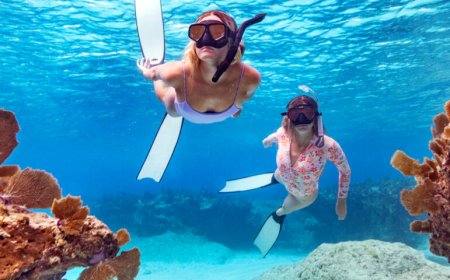
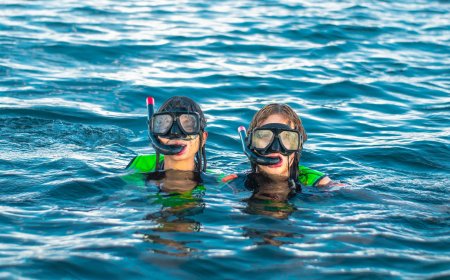
Snorkelling at Maudlin Harbour on calm days.
Visiting farm stands in Kew and Whitby for fresh produce.
Photography stops at cliff lookouts, beaches, and wetland areas.
15. Why These Islands Are Ideal for Eco-Travel
Limited commercial development keeps natural landscapes intact.
Wide road networks and low traffic make cycling practical.
Protected areas ensure wildlife remains vibrant.
aLocal residents support sustainable tourism and small-scale cultural experiences.
What's Your Reaction?
 Like
0
Like
0
 Dislike
0
Dislike
0
 Love
0
Love
0
 Funny
0
Funny
0
 Angry
0
Angry
0
 Sad
0
Sad
0
 Wow
0
Wow
0