


























Maroon Heritage in Charles Town: Jamaican Cultural Deep Dive
Maroon Heritage in Charles Town highlights the history, culture, and living traditions of one of Jamaica’s most significant Maroon communities. The article explains how the Charles Town Maroons preserved African-rooted customs after establishing autonomy in the 1700s, following peace treaties with the British. It outlines key elements such as the role of the Colonel, community governance, and the importance of oral history.

1. Location and Identity

Charles Town is a Maroon community in Portland Parish, Jamaica, situated on the Buff Bay River.
It is one of the four recognised Maroon settlements in Jamaica (the others include Moore Town, Scott’s Hall, and Accompong).
The Maroons in Charles Town belong to the Windward Maroons, historically distinct from the Leeward Maroons.
2. Origins and Historical Significance
Charles Town was originally called New Crawford Town, founded around the mid-1700s after the fall of Crawford’s Town due to internal strife.
It was later renamed Charles Town after Governor Charles Knowles.
One of the most important figures associated with Charles Town is Captain Quao, who signed a peace treaty with the British on June 23, 1739, ending the First Maroon War for the Windward Maroons.
3. Governance and Autonomy
The Maroon community governs itself: it has a Colonel (currently acting Colonel Marcia “Kim” Douglas) and a council.
Maroon lands are largely protected: they cannot be sold or used as bank collateral.
While they maintain their own internal justice and governance systems, Maroons also have access to Jamaica’s national judicial framework.
4. Population and Demographics
As of recent reports, Charles Town has a population of just over 2,500 residents.
While most of them are Maroons, a significant fraction of the community today are non-Maroons, reflecting demographic change over time.
5. Cultural Practices and Traditions
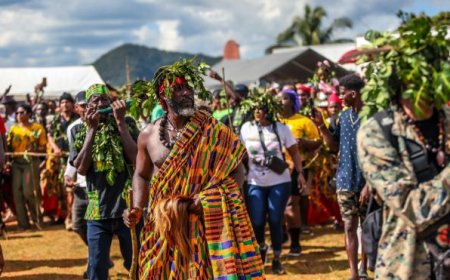
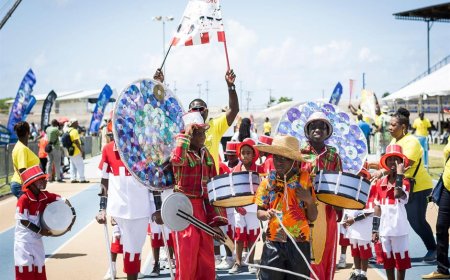
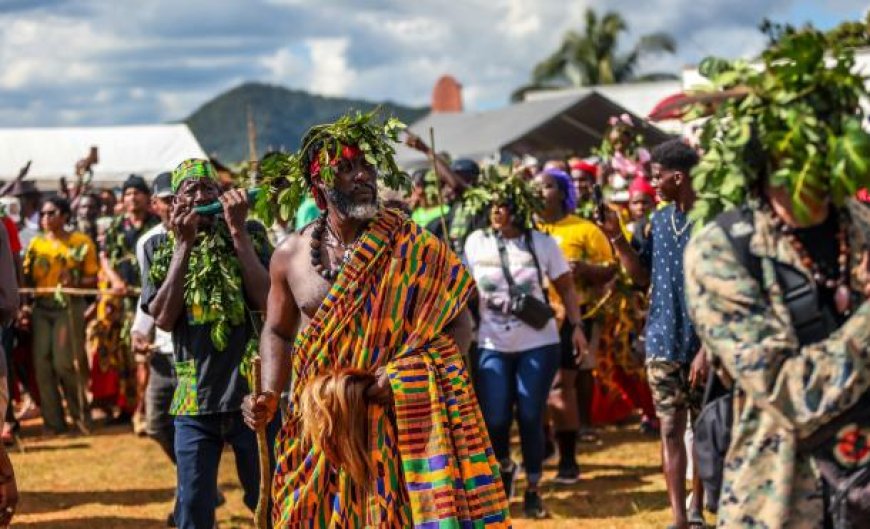
Drumming and dance remain central in Charles Town. The Charles Town Maroon Drummers and Dancers perform traditional rhythms in the Asafu Yard (a ceremonial cultural space).
The Abeng, a horn historically used for communication during war, is still used ceremonially to call gatherings or mark life events.
The community also preserves herbal medicine traditions, drawing on knowledge passed down through generations.
The Jamaican Maroon Creole (also called “deep patwa”) is part of their cultural/liturgical identity. It is an English-based creole with strong Akan influence.
6. Charles Town Maroon Museum & Heritage Infrastructure
The Charles Town Maroon Museum houses artifacts, historical documents, and cultural items related to Maroon history.
In front of the museum is a heritage library that offers resources on Maroon culture, oral history, and community memory.
The Asafu Ground (or Yard) is the central space for ceremonies, drumming, and annual cultural celebrations.
7. Annual Maroon Events & Festivals
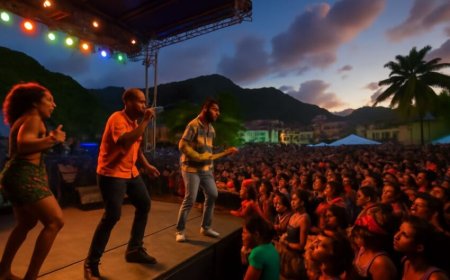
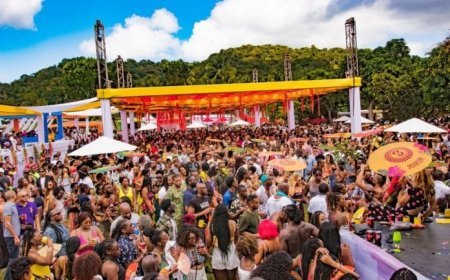
The International Charles Town Maroon Conference and Festival is held every June (around June 20–23).
The festival is both academic (conference day) and celebratory (music, dance, food, rituals). Topics recently included ancestral communication, land stewardship, and indigenous knowledge.
On Quao Day (June 23), the community commemorates the 1739 treaty signed by Captain Quao, celebrating Maroon autonomy and history.
8. Tourism, Economy, and Cultural Sustainability
Charles Town has adopted heritage tourism to sustain its economy: visitors can attend guided tours, drumming classes, craft workshops, and herbal medicine talks.
The Maroon Council has also launched agricultural initiatives (beekeeping, small farming) to build sustainable livelihoods.
Tourism is a key source of income but also a tool for cultural preservation; the Maroons use it to tell their history and keep traditions alive.
9. Challenges and Contemporary Issues
Economic strain is real: according to National Geographic, Charles Town’s cultural enterprises suffered during the COVID-19 pandemic, reducing tourist income.
Maroon communities are increasingly engaging in rights-based advocacy, including calls for reparations and recognition of historical injustices.
Maintaining traditional practices (language, rituals, self-governance) while navigating modern life (education, infrastructure, youth emigration) is an ongoing tension.
10. Leadership and Cultural Custodians
The current acting Colonel is Marcia “Kim” Douglas, recognized for her role in promoting cultural education and community governance.
The community honors Maroon ancestors and uses traditional leadership structures (Colonel + Maroon Council) to make decisions.
Spiritual and cultural leaders (like herbalists) continue to be central to community life and help transmit Maroon heritage to younger generations.
11. Legacy and Broader Significance
The Maroons of Charles Town are a living legacy of resistance: they fought colonial forces, secured a peace treaty, and maintained a distinct autonomous identity.
Their governance model (community-led council + Colonel) offers a form of decentralized, culturally rooted self-rule.
Culturally, their music, language, and rituals contribute significantly to Jamaica’s national identity and global understanding of African diaspora resilience.
12. How to Experience Charles Town Today
Visitors should plan ahead: contact the Charles Town Maroons via their official website or phone to arrange tours, drumming sessions, or home stays.
The Asafu Yard is open for cultural performances, especially during the June festival.
The museum and library offer educational resources on Maroon history, and guides can lead you through stories of the treaty, Captain Quao, and ancestral traditions.
13. Connection to Wider Maroon and Global Heritage
Charles Town is part of a network of Maroon communities in Jamaica, each with its own treaty history, traditions, and leadership (like Moore Town, Scott’s Hall, and Accompong).
Their traditions, especially drumming, herbal medicine, and self-governance connect to a broader African Diaspora story, resonating with Maroon communities in other countries.
The persistence of Jamaican Maroon culture contributes to global conversations on indigenous rights, reparations, and cultural sovereignty.
Conclusion
Charles Town is not just a historical footnote, it is a living community that continues to breathe Maroon heritage through its governance, rituals, music, and land.
The Maroons here balance preserving their past with building a sustainable future: heritage tourism, agricultural projects, and cultural education are central to that.
Their story matters not only in Jamaica but globally, as a powerful example of resistance, survival, and self-determination.
What's Your Reaction?
 Like
0
Like
0
 Dislike
0
Dislike
0
 Love
0
Love
0
 Funny
0
Funny
0
 Angry
0
Angry
0
 Sad
0
Sad
0
 Wow
0
Wow
0