




















LA's Rising Caribbean Food Scene: Trends Spilling into 2026 Travel
Los Angeles is experiencing a surge in Caribbean cuisine visibility heading into 2026. Once limited to small community spots, the scene now includes trendy pop-ups, upscale Afro-Caribbean restaurants, and major public food festivals.

1) Pop-ups are the new R&D labs and they’re graduating fast

2) Afro-Caribbean fine dining is arriving in mainstream food media
2025 saw upscale interpretations of Caribbean cuisine reach mainstream restaurant coverage. New openings positioned as “Afro-Caribbean” are emphasizing refined technique, curated cocktails and dining-room design, not just casual plates. Lucia, which opened in Fairfax in 2026 with Jamaica-born chef Adrian Forte and hospitality operator Sam Jordan, is the headline example coverage highlights a menu that includes Wagyu-topped patties, oxtail pepperpot and Caribbean-inspired cocktails. These openings signal a shift: Caribbean flavors are being framed for full-service dining and late-night crowds.
3) Festivals and pop-up events are raising visibility (and feeding travel itineraries)
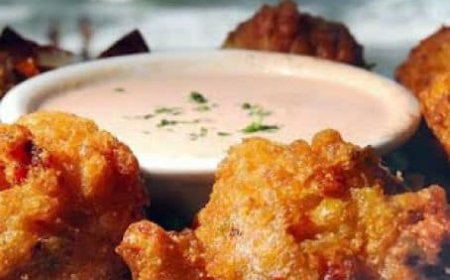
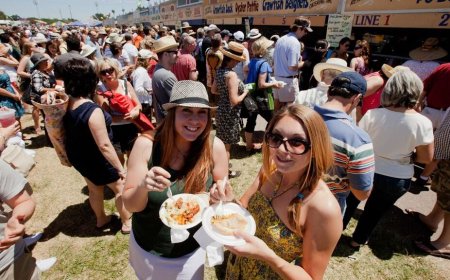
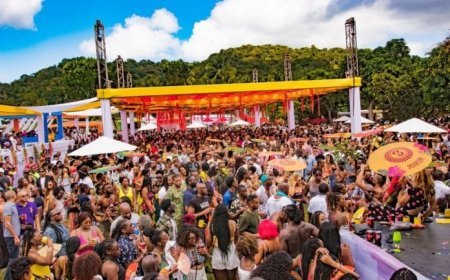
Public events focused on jerk, patties, roti and Caribbean street food are multiplying, and they’re marketed to food tourists as well as locals. Jerk Fest (a recurring LA event) and Taste of the Caribbean gatherings draw multiple vendors, music and cultural programming in a single day perfect for visitors who want a crash course in island flavors without a long restaurant crawl. Events like these have become regular calendar items that travel planners and local food guides now recommend.
4) Food trucks and catering keep Caribbean food mobile and accessible
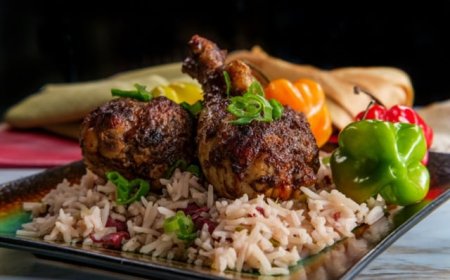
Caribbean food trucks remain active across LA neighborhoods and are heavily used for events, film sets and private catering. Platforms that coordinate food-truck bookings report more than a dozen active Caribbean trucks in the metro area, offering everything from jerk chicken to doubles, roti bowls and plantain plates. For travelers who want samples across neighborhoods (or a quick late-night bite), the truck scene is a reliable option.
5) Diaspora chefs are centering authenticity while experimenting with local ingredients
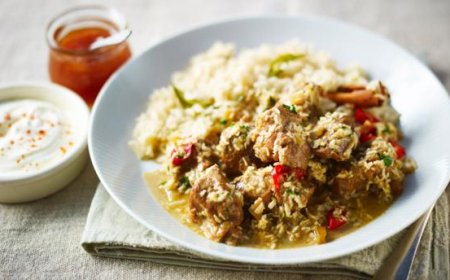
A new wave of chefs working from family recipes are explicitly combining authenticity with California sourcing and technique. Coverage in Food & Wine and other outlets points to chefs who draw on personal or family foodways Trinidadian doubles, Jamaican patties, Bajan curry roti and then adapt plating, fermentations or produce sourcing to LA’s supply chain. This produces dishes that read as both anchored in the diaspora and responsive to local seasonal produce.
6) Cocktails, spirits and beverage programs are leaning Caribbean (and Black-owned brands are getting space)
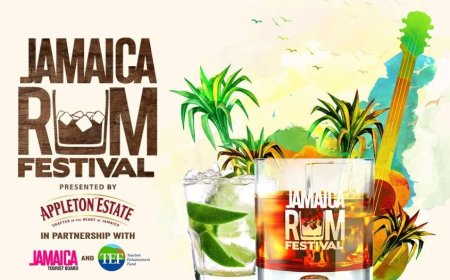
Beverage programs at newer Caribbean and Afro-Caribbean openings are intentionally spotlighting Caribbean ingredients and Black-owned spirits. Expect cocktails using tamarind, soursop, sorrel, tamarillo, tropical bitters, and plays on rum-forward classics. Lucia’s bar program, for example, builds drinks around Caribbean flavors and curated spirits part of a broader trend of cocktail menus that read as part of the cultural conversation rather than an afterthought.
7) Neighborhood spread: it’s not just South LA anymore
While long-standing Caribbean spots continue in South LA and in immigrant neighborhoods, new entries appear across East Hollywood, Fairfax, and the San Gabriel Valley fringes. That geographic spread makes Caribbean eating easier for visitors based anywhere in the city: you can go from a roti in East Hollywood to a late-night plantain-heavy tasting menu in Fairfax. Local “best of” lists and guides updated in 2024–2025 map this broader footprint.
8) Media spotlight and critics are legitimizing the cuisine
Coverage from major outlets (LA Times, Eater LA, Food & Wine) in 2024–2025 has shifted from occasional mentions to full features on Caribbean restaurants and chefs. These pieces aren’t just recipe recaps, they profile chefs, design, supply chains and cultural histories, which helps build informed interest among tourists, food writers and the hospitality industry. When local critics treat Caribbean restaurants as part of LA’s must-try list, travel writers amplify that to visitors.
9) Event and travel planning tips for visitors in 2026
Check festival calendars (Jerk Fest, Taste of the Caribbean and similar events) and book in advance for weekends when these events run.
Use Resy, OpenTable or restaurant pages for pop-up-turned-permanent spots (Bridgetown Roti, Lucia) many take reservations or have limited seating.
Track food trucks via booking platforms (BestFoodTrucks, Roaming Hunger) if you want late-night or mobile options.
Combine a Caribbean food crawl with neighborhood exploration (East Hollywood, Fairfax, South LA) to experience both casual and elevated dining in one day.
10) What this means for LA travel in 2026
Caribbean food in Los Angeles is no longer peripheral. For travelers, that means more choices: authentic comfort plates in long-running counters, creative pop-up menus that capture islands’ street food, and full-service spots staging Afro-Caribbean tasting menus and cocktails. Food tourists who plan around openings and festivals can now build a Caribbean-focused itinerary without leaving the city and restaurants are increasingly designed to reward those itineraries, with reservations, event nights and retail lines (rum bottles, sauces, baked goods) that turn a meal into a souvenir.
Conclusion
Through pop-ups, food trucks, festivals and full-service dining, LA’s Caribbean food scene expanded its reach between 2025 and 2026. The change is visible: critical coverage, higher-profile openings and repeat festival programming make Caribbean food a travelable part of LA’s food identity. For visitors planning a 2026 trip, that means a practical opportunity to sample a wide range of diaspora cuisines in one city, backed by the events and dining infrastructure to make it easy and interesting.
What's Your Reaction?
 Like
0
Like
0
 Dislike
0
Dislike
0
 Love
0
Love
0
 Funny
0
Funny
0
 Angry
0
Angry
0
 Sad
0
Sad
0
 Wow
0
Wow
0