















Goat Water and Flying Fish: Iconic Dishes from Barbados and Montserrat
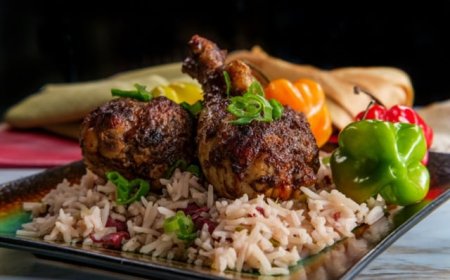
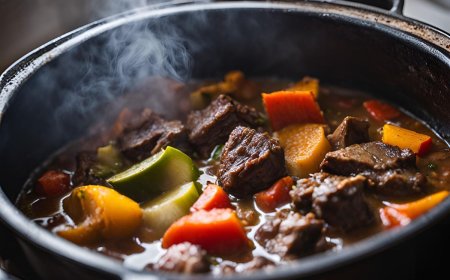
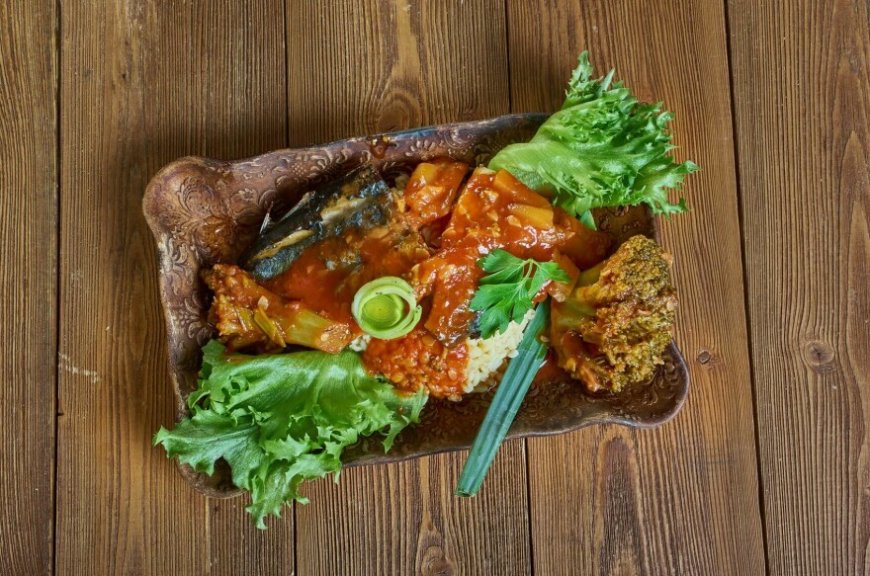
Goat Water from Montserrat and Flying Fish from Barbados are two of the Caribbean’s most iconic national dishes. Goat Water, a rich goat stew with local herbs and spices, reflects Montserrat’s Irish-African heritage, while Flying Fish, often served with couscous, symbolizes Barbados’ deep connection to the sea. Both dishes use locally sourced ingredients, showcase traditional island cooking, and remain everyday staples that define the authentic culinary culture of their islands.

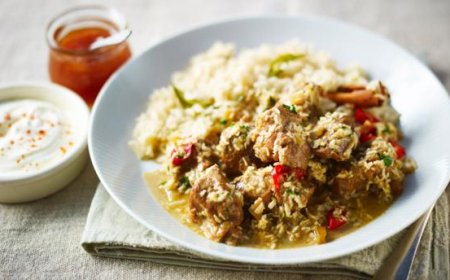
1) Goat Water (Montserrat’s National Dish)

Origin and Significance
Goat Water is the national dish of Montserrat, a small British Overseas Territory in the Lesser Antilles.
It originated from Irish stew traditions brought by early European settlers but evolved using local goat meat, Caribbean herbs, and native peppers.
The dish is widely served at national events, village festivals, and family gatherings, especially on weekends.
Core Ingredients
1.Goat meat (typically bone-in pieces for flavor)
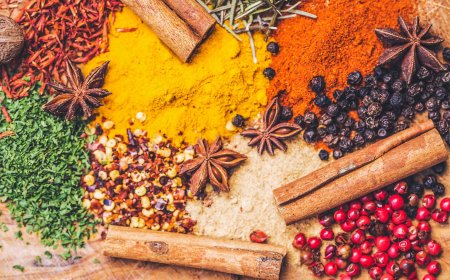
2.Onions, thyme, garlic, and scallions for aroma
3.Local peppers such as Scotch bonnet for heat
4.Breadfruit or dumplings sometimes added for thickness
5.Local spices like cloves, nutmeg, and black pepper
A touch of browning sauce or burnt sugar gives the stew its dark color
Preparation Method
1.Goat meat is first seasoned overnight with herbs and salt.
2.It’s browned in a heavy pot to build flavor, then slow-simmered for up to two hours.
3.Flour or breadfruit may be added near the end to thicken the broth.
4.The final consistency is closer to a soup than a curry rich but drinkable.
5.Locals often enjoy it with a side of rice, rolls, or fried plantains.
Where to Try It
Hilltop Coffee House and People’s Place Restaurant in Brades often feature Goat Water on their Friday menus.
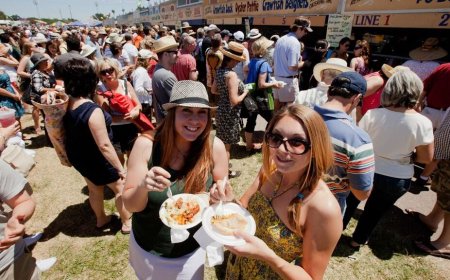
During St. Patrick’s Week (March 17) Montserrat’s largest cultural celebration—the dish is sold at outdoor food stalls across the island.
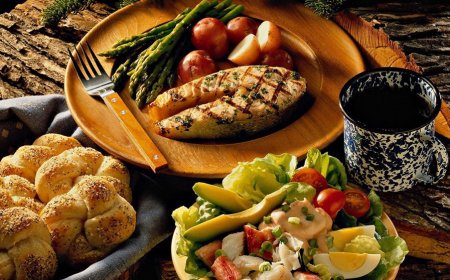
2) Flying Fish (Barbados’ Culinary Symbol)
Cultural Importance
Flying Fish is the national dish of Barbados, often paired with cou-cou (cornmeal and okra).
The fish is so closely tied to the island that Barbados was once nicknamed “The Land of the Flying Fish.”
Its image appears on the Barbadian one-dollar coin and in tourism branding across the island.
Ingredient and Flavor Profile
The dish features locally caught flying fish, a small silver-blue species known for gliding above the water.
It’s typically marinated in lime juice, salt, thyme, and Bajan seasoning, then either steamed, fried, or grilled.
Served with cou-cou a polenta-like dish made from cornmeal and okra it provides a filling, balanced meal.
Other versions include flying fish cutters (sandwiches) and fish cakes, common at roadside vendors.
Cooking Process
1.Clean and butterfly the fish, removing bones.
2.Marinate with lime juice, garlic, thyme, salt, and pepper for at least 30 minutes.
3.Coat lightly with flour and pan-fry, or steam with onions, tomatoes, and herbs.
4.Serve hot with cou-cou, pickled vegetables, or spicy pepper sauce.
Where to Eat It
1.Oistins Fish Fry (Christ Church) is the most famous weekly event where visitors can sample freshly prepared Flying Fish.
2.Brown Sugar Restaurant and Fisherman’s Pub in Speightstown also serve authentic versions.
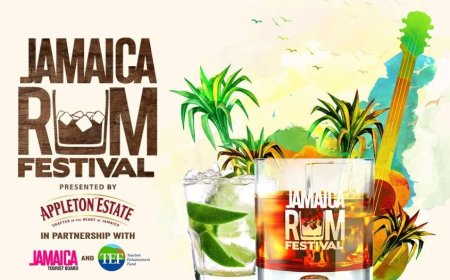
3.The dish appears frequently during Barbados Food and Rum Festival, which highlights local seafood traditions.
3) Shared Caribbean Themes
1.Local Ingredients, Global Influences
2.Both dishes show how Caribbean cooking blends European techniques with African and Indigenous flavors.
3.Goat Water reflects rural island life where meat from local herds was used creatively.
4.Flying Fish showcases the ocean’s role in Barbadian culture and economy.
5.Everyday Cuisine Meets Heritage
6.Neither dish is reserved for tourists they’re part of daily life.
7.Montserratians cook Goat Water in large pots for community events.
8.Bajans prepare Flying Fish and Cou-Cou on Fridays or public holidays.
9.Nutrition and Practical Value
10.Both are high-protein, nutrient-dense meals using affordable, locally sourced ingredients.
The reliance on goat and fish reflects traditional island sustainability using what’s available rather than importing meats.
4) How These Dishes Connect Travelers to Their Islands
Tasting Goat Water in Montserrat gives visitors a direct link to the island’s Irish-African heritage and post-volcanic community rebuilding.
Enjoying Flying Fish in Barbados provides insight into how fishing, trade, and daily meals define the island’s cultural rhythm.
Culinary tours and food festivals across both islands now highlight these dishes as key parts of regional identity.
5) Travel and Tasting Tips
Visit Montserrat in March for St. Patrick’s Festival expect live music, local brews, and Goat Water served from open-air kitchens.
Visit Barbados in October ,November for the Food and Rum Festival Flying Fish is often featured in chef demos.
Travelers seeking authentic flavors should try local village restaurants rather than hotel buffets for genuine recipes.
Goat Water and Flying Fish are more than meals they’re living markers of Caribbean history and identity. Montserrat’s hearty goat stew and Barbados’s signature seafood dish both reveal how islanders turned simple local ingredients into national pride. For travelers, they remain two of the most authentic introductions to Caribbean flavor and tradition.
What's Your Reaction?
 Like
0
Like
0
 Dislike
0
Dislike
0
 Love
0
Love
0
 Funny
0
Funny
0
 Angry
0
Angry
0
 Sad
0
Sad
0
 Wow
0
Wow
0