

























U.S. Virgin Islands Hiking Trails: National Parks and Scenic Views
The U.S. Virgin Islands’ trails especially within Virgin Islands National Park offer well-maintained routes featuring petroglyphs, sugar mill ruins, and ocean lookouts. St. John leads in trail variety, St. Thomas delivers short scenic hikes, and St. Croix offers historical and coastal treks.

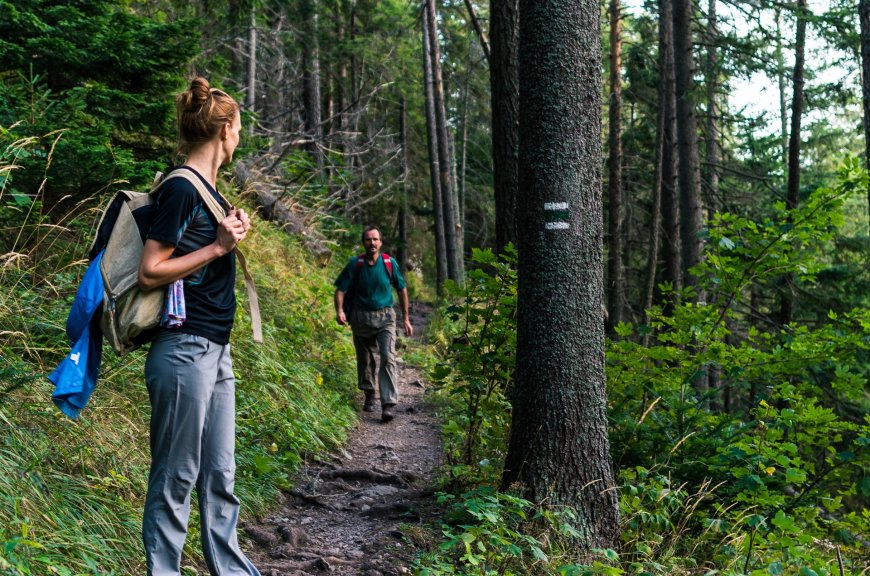
1) Virgin Islands National Park: The Core of St. John Hiking

Reef Bay Trail – The most popular hike on St. John. It descends about 2.3 miles from the trailhead near Centerline Road to the sea. Hikers see prehistoric petroglyphs, old sugar mill ruins, and tropical trees like genip and turpentine. The return climb is steep, so many opt for guided tours that arrange pickup at the beach.
Lind Point Trail – Starting from Cruz Bay Visitor Center, this 1.1-mile path leads to Salomon and Honeymoon beaches. It’s shaded, easy to follow, and perfect for combining with snorkeling.
Ram Head Trail – Found near Salt Pond Bay on the island’s south side, this 2.3-mile trail rises to a cliff with panoramic views of the Caribbean Sea and nearby islands. It’s exposed to the sun, so early morning hikes are recommended.
Cinnamon Bay Trail – A moderate 1-mile climb from the beach to historic ruins and a great birdwatching area.
The NPS completed erosion control work on the Reef Bay and Cinnamon Bay trails in 2024 after hurricane-related washouts, improving safety and drainage.
St. Thomas offers shorter, steeper hikes with quick payoffs ideal for visitors on day trips or cruise stops. Many trails are accessible without long transfers from Charlotte Amalie or Red Hook.
Key hikes:
Santa Maria Beach Trail – A 1.2-mile descent from the hilltop near Bonne Esperance Road to a secluded beach. Known for sea turtle sightings and quiet snorkeling.
Drake’s Seat to Magens Bay Overlook – This short route offers sweeping views of Magens Bay and nearby cays. It’s a 20-minute walk but worth it for sunset or sunrise photos.
St. Peter Mountain Nature Trail – A loop near the Mountain Top area that showcases native orchids, ferns, and birds, including the bananaquit.
Note: The St. Thomas Environmental Association continues to map community trails and update signage through 2025, making urban-nature access more consistent for visitors.
3) St. Croix: Forests, Coastlines, and Historic Sites
St. Croix has a mix of rugged terrain and historical landscapes. Its trails often pass sugar mill ruins and old plantation roads, with several routes protected under the Salt River Bay National Historical Park and Ecological Preserve and Buck Island Reef National Monument.
Top routes:
Annaly Bay Tide Pools Trail – A 4.5-mile round-trip from Carambola Beach Resort, this hike leads to natural pools formed by volcanic rock along the north shore. Expect steep climbs, rocky terrain, and rewarding ocean views.
Goat Hill Trail – Located near the East End Marine Park, it’s about 2 miles each way with panoramic views of Buck Island. Bring water and wear sturdy shoes; terrain is rocky and exposed.
Jack and Isaac Bay Trail – A 2.2-mile coastal path inside the East End Reserve. It’s part of a turtle nesting zone managed by The Nature Conservancy, and signage along the trail provides ecological information.
Cane Bay Trail – A moderate 1.5-mile inland climb that connects beach access with ridge views of the North Shore.
Trail updates (2024–2025):
The Salt River Bay trail system reopened in early 2025 after restoration work and new interpretive panels were added, focusing on indigenous Taino heritage and mangrove conservation.
The National Park Service and local volunteers improved Goat Hill Trail markers after hurricane debris clearance.
4) Hiking Safety and Sustainability
The U.S. Virgin Islands’ trails are open year-round, but hikers should plan around temperature and hurricane season (June–November).
Current NPS guidance includes:Carry at least 1 liter of water per hour of hiking.
Use reef-safe sunscreen and avoid stepping on coral at coastal trails.
Stay on marked paths to protect fragile dry-forest ecosystems.
Guided hikes are available through Friends of Virgin Islands National Park, which also organizes volunteer trail days.
5) Combining Hiking with Travel Plans
For visitors planning active vacations in 2025:
St. John suits longer stays and eco-resorts, with daily access to multiple trails.
St. Thomas fits cruise passengers or short-term travelers who want compact hikes with big views.
St. Croix attracts those combining hiking with heritage and snorkeling experiences.
Getting around:
Ferries between St. Thomas and St. John make day trips simple.
Rental cars are essential on St. Croix due to longer trail distances.
Trail maps and condition updates are available via nps.gov/vies and friendsvinp.org.
6) What’s New for 2025
Digital Trail Guides: The National Park Service launched updated digital trail maps for St. John and St. Croix in early 2025, compatible with GPS apps for offline navigation.
Volunteer Programs Expanded: The Friends of Virgin Islands National Park introduced “Hike for Habitat,” a 2025 initiative where hikers contribute to reforestation funding.
Accessible Trail Options: The Lind Point Trail now includes improved signage and resting benches for low-impact hikers.
The U.S. Virgin Islands have become one of the Caribbean’s most organized hiking destinations, blending natural beauty with cultural education. St. John remains the hiking hub, but St. Thomas and St. Croix continue expanding access with new signage and preservation efforts. Whether you’re exploring sugar mill ruins, tide pools, or coastal viewpoints, hiking here in 2025 offers a clear path into both island ecology and history.
What's Your Reaction?
 Like
0
Like
0
 Dislike
0
Dislike
0
 Love
0
Love
0
 Funny
0
Funny
0
 Angry
0
Angry
0
 Sad
0
Sad
0
 Wow
0
Wow
0