























Pelau and Mangu: Trinidadian and Dominican Comfort Foods
Food is a universal language, and comfort food speaks directly to the heart. In the Caribbean, two dishes stand out as staples in their respective cultures: Pelau from Trinidad and Mangu from the Dominican Republic. Both embody the spirit and flavors of their countries, and they are cherished by locals and visitors alike.

Pelau and Mangu: Exploring the Comfort Foods of Trinidad and the Dominican Republic

Food is a universal language, and comfort food speaks directly to the heart. In the Caribbean, two dishes stand out as staples in their respective cultures: Pelau from Trinidad and Mangu from the Dominican Republic. Both embody the spirit and flavors of their countries, and they are cherished by locals and visitors alike. Let’s dive into what makes these dishes special and how they reflect the culinary traditions of their origins.
1. What is Pelau?
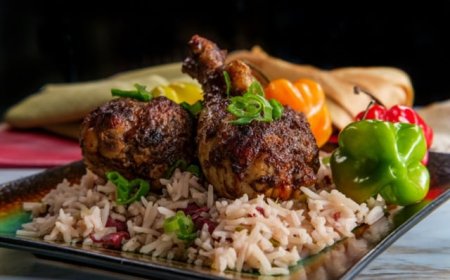
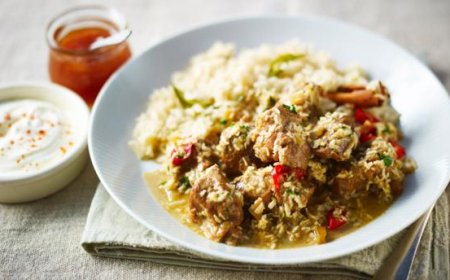
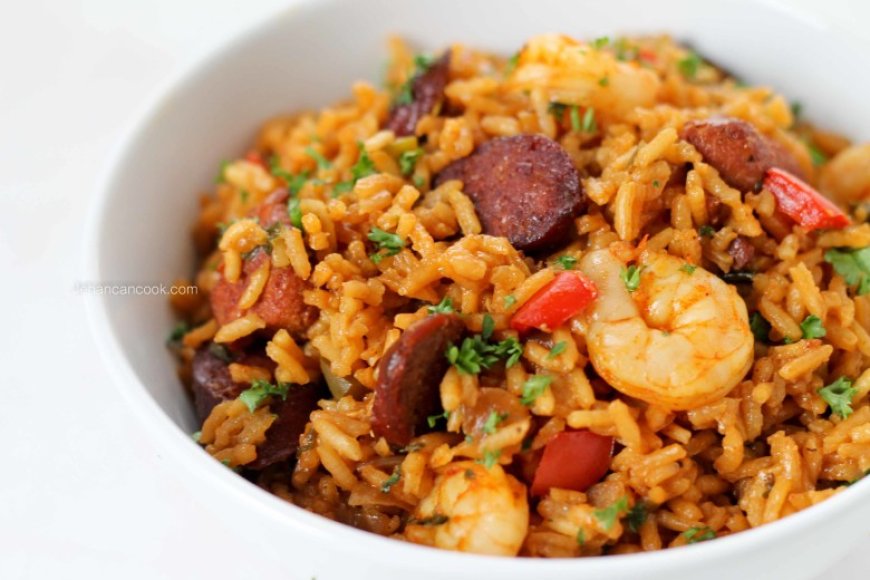
Pelau is a one-pot dish that combines rice, pigeon peas, meat (usually chicken or beef), and a variety of vegetables. The rice is often cooked with coconut milk, giving it a creamy texture and rich flavor.
2. The Cooking Method:
The key to a good Pelau is the “browning” process. Meat is seasoned and then browned in a hot pot with sugar until it caramelizes, which imparts a deep flavour to the dish. After browning, the rice, pigeon peas, and coconut milk are added, creating a harmonious blend of flavours.
3. Cultural Significance:
Palau is more than just a meal; it’s a dish that brings people together. Commonly served at family gatherings, celebrations, and community events, it reflects the warmth and hospitality of Trinidadian culture.
4. Variations:
While the basic recipe remains consistent, Pelau can vary significantly based on personal or regional preferences. Some may add ingredients like bell peppers, carrots, or even hot pepper for an extra kick. The use of different meats like duck or pork can also create unique twists on the dish.
5. Serving Suggestions:
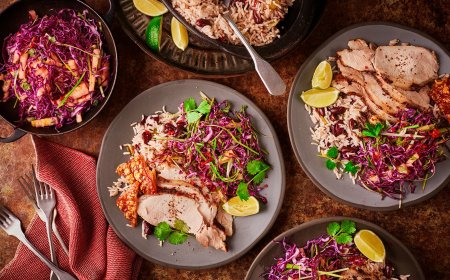
Palau is often served with a side of coleslaw or fried plantains, providing a nice balance to the hearty main dish. It’s a meal that can be enjoyed any time of the day, whether for lunch or dinner.
Mangu: The Dominican Comfort Classic
1. What is Mangu?
Mangu is a traditional Dominican breakfast dish made from boiled green plantains that are mashed and served with a variety of toppings. It’s often accompanied by eggs, cheese, or salami, making it a filling way to start the day.
2. The Preparation:
To make Mangu, green plantains are peeled, boiled until tender, and then mashed with a splash of olive oil and a bit of salt. The consistency can be adjusted to preference some like it smooth, while others prefer it a bit chunky.
3. Cultural Importance:
Mangu is a beloved dish in the Dominican Republic, often associated with family gatherings and special occasions. It symbolizes comfort and home, and many Dominicans have fond memories of enjoying it with loved ones.
4. Toppings and Pairings:
Mangu is versatile. It can be served with fried eggs, pickled red onions, cheese, or even avocado. The toppings can vary widely depending on personal taste and regional customs. A popular variation includes serving it with “los tres golpes” fried eggs, cheese, and salami.
5. Breakfast Tradition:
Mangu is a staple breakfast option in Dominican households. The dish is so popular that it’s often featured on menus in restaurants, showcasing its cultural significance and widespread appeal.
The Comfort Food Connection
Both Pelau and Mangu reflect the culinary practices and cultural values of Trinidad and the Dominican Republic, respectively. They are not just meals; they are a celebration of heritage, family, and community.
Cultural Exchange:
The Caribbean is known for its diverse culinary landscape influenced by indigenous, African, Indian, and European cultures. Both dishes showcase this blend of influences, making them unique yet relatable.
Nutritional Value:
Both Pelau and Mangu are rich in carbohydrates, proteins, and essential nutrients, making them not only comforting but also nourishing. They provide the energy needed to fuel daily activities, whether it’s a busy day at work or a weekend gathering.
Creating Connections:
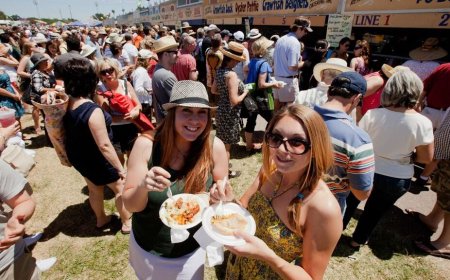
Whether you’re enjoying Pelau at a Trinidadian carnival or savoring Mangu at a Dominican breakfast table, these dishes create connections between people and cultures, fostering a sense of belonging and community.
Pelau and Mangu are more than just food; they are integral parts of Trinidadian and Dominican identity. They tell stories of tradition, family, and togetherness. So next time you have the chance, take a moment to savor these comforting dishes. Whether you’re diving into a plate of Pelau or enjoying a bowl of Mangu, you’re not just tasting a meal you’re experiencing a piece of culture.
What's Your Reaction?
 Like
0
Like
0
 Dislike
0
Dislike
0
 Love
0
Love
0
 Funny
0
Funny
0
 Angry
0
Angry
0
 Sad
0
Sad
0
 Wow
0
Wow
0