


























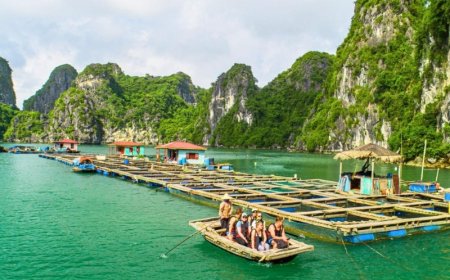



Economic Outlook: 2.5% Growth Projections for Caribbean in 2026
The Caribbean region (excluding certain high-growth resource economies) is projected to grow at around 2.5% in 2026. Growth is being supported by a rebound in tourism, construction/infrastructure investment, and gradually improving external demand. Bound by constraints such as high debt, climate vulnerability, low productivity and weak external environment, growth remains moderate. To accelerate growth beyond this baseline, countries will need to focus on structural reforms, diversification, resilience, productivity and private-sector mobilization. The ~2.5% figure points to stability and improvement, but also to the fact that large gains in employment and income will remain a work in progress.

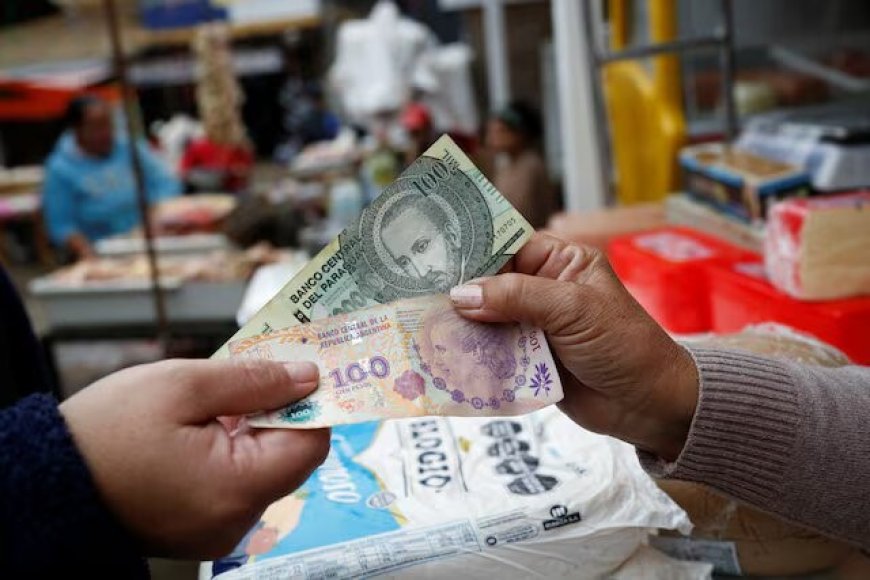
1) Growth projections and context

According to the World Bank, the broader Latin America & Caribbean region’s real GDP is projected to rise to 2.5% in 2026, up from 2.3% in 2025.
A separate report by the Caribbean Development Bank (CDB) estimates that excluding very high-growth outliers (like oil‐rich countries), Caribbean economies are projected to expand by 2.5% in 2025, with some variation across countries.
The CDB note emphasises that tourism and construction remain key drivers of growth, while vulnerability to natural hazards, external demand shifts and input cost inflation continue to weigh.
The 2.5% figure should therefore be seen not as a high-growth scenario, but as a baseline moderate recovery with significant heterogeneity across different Caribbean economies.
2) Drivers of the projected growth
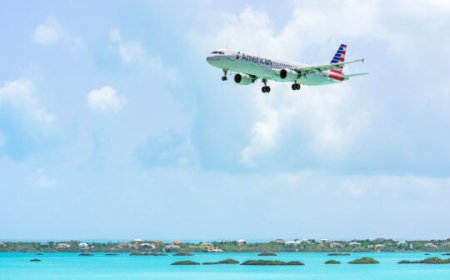
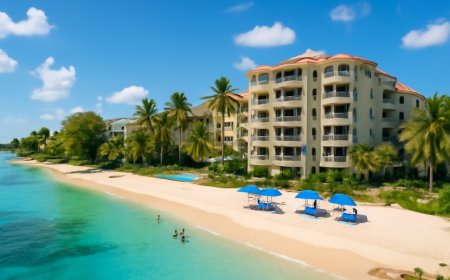
Tourism recovery: Many Caribbean nations are still benefitting from a post-pandemic rebound in tourism arrivals, which fuels services, hospitality, retail and construction.
Construction and infrastructure: Public and private investment in rebuilding, climate resilience, and tourism infrastructure contributes to GDP growth. For example, the CDB reports that investment in resilient infrastructure is a significant factor.
External demand from major trading partners: The region’s fortunes are tied to the US, Canada, Europe (for tourism) and global commodity and transport demand. A modest improvement in global growth (though still weak) helps. The World Bank cited improvement in trade and weaker US dollar as supportive.
Export diversification and services: Some countries are expanding into new service sectors, digital services, and non-traditional exports, which provide upside potential for growth.
3) Key constraints and risk factors
High debt and limited fiscal space: Many Caribbean governments face elevated debt levels, constrained revenue generation, and limited ability to stimulate growth without risking debt sustainability. The CDB points to these fiscal and debt constraints.
Climate and natural hazard vulnerability: The Caribbean remains highly vulnerable to hurricanes, floods and sea-level rise. These events can disrupt tourism, infrastructure and agriculture, dragging on growth unexpectedly. (CDB report mentions “recurrent threat of natural hazards”.)
4) What the ~2.5% growth means practically
5) Policy and investment imperatives
Strengthen fiscal and debt frameworks: Governments need to continue fiscal consolidation, improve revenue collection, manage debt burdens, and target public investment toward growth-enhancing projects. The CDB stresses the importance of fiscal and debt sustainability.
Boost productivity and diversification: To move beyond ~2–3% growth, countries must diversify exports (beyond tourism and construction), adopt technology, support SMEs, improve human capital and integrate regionally and globally.
Resilience building: Given the climate risk, investing in resilient infrastructure, disaster-risk reduction and sustainable tourism is key to safeguarding growth.
Enhance trade and connectivity: Improving logistics, port infrastructure, air connectivity and digital links will help leverage external demand and services.
Private-sector mobilization: Encouraging private investment, improving the business climate, unlocking financing for new firms and scaling up transformational rather than just survival businesses. The World Bank mentions “mobilising private capital” as a necessity.
6) Outlook by 2026: what to watch
Monitoring of tourism arrival numbers and how quickly they return to or exceed pre-pandemic levels will be crucial.
The state of global export markets and commodity prices (even if the Caribbean is less commodity-dependent than some regions) will affect external demand.
Exchange-rate and inflation pressures: imported inflation could erode real income growth even if GDP ticks up.
Natural-hazard events: an unexpected major hurricane or storm could derail growth for a year or more.
Country-specific developments: election cycles, policy changes, major infrastructure projects or resource discoveries can alter growth paths significantly above or below the aggregate.
The promise of digital services/digital tourism and niche sectors (eco-tourism, film/media production, offshore services) might generate upside and help some countries outperform the 2.5% baseline.
7) Why the figure matters
A forecast of ~2.5% growth in 2026 signals tempered optimism not boom, but measurable improvement and stabilization after years of volatility and slower growth.
It sets a target for policymakers and investors. If the region wants to get to 4%+ growth, then structural reforms are required; simply doing “more of the same” will keep growth modest.
For travel and tourism industries which dominate many Caribbean economies the 2.5% figure means continued relevance of tourism as a growth engine, but also that reliance on one sector remains a risk.
It gives a benchmark for external stakeholders (multilateral banks, donors, investors) to align financial flows and technical assistance to support regions where growth is weakest or where risks are highest.
What's Your Reaction?
 Like
0
Like
0
 Dislike
0
Dislike
0
 Love
0
Love
0
 Funny
0
Funny
0
 Angry
0
Angry
0
 Sad
0
Sad
0
 Wow
0
Wow
0