































Exploring Haitian Rhum and Guyanese Stews in Caribbean Kitchens
The Caribbean’s culinary landscape is built on centuries of cultural exchange African, European, Asian, and Indigenous influences combined through trade, migration, and resilience. Two countries that showcase this blend vividly are Haiti and Guyana, each known for bold flavours rooted in local ingredients and traditions. Haitian Rhum and Guyanese stews represent more than just food and drink; they reflect national identity and community life across the islands and mainland Caribbean.

Haitian Rhum: Tradition in Every Bottle

Haitian rhum (often spelled rhum agricole) is made from freshly pressed sugarcane juice rather than molasses, distinguishing it from most rums produced elsewhere in the Caribbean. This process creates a more vegetal, earthy spirit that retains the flavor of the cane.
Production and Local Pride
Haiti’s rhum production dates back to the 18th century, and today the industry continues to operate largely through small, family-owned distilleries. Unlike industrial-scale rum production seen elsewhere, Haitian rhum relies on natural fermentation and pot distillation. Many distillers use heritage cane varieties and traditional presses powered by animals or small engines.
The most recognized names include:
Barbancourt – Founded in 1862, it remains Haiti’s best-known brand internationally. Barbancourt rhum is double-distilled and aged in French oak barrels, available in 3-star (4-year), 5-star (8-year), and 15-year expressions.
Kléren – A rustic, unaged rhum often produced by local distillers in rural areas. It’s stronger in alcohol (sometimes up to 60%) and known for its distinctive aroma of sugarcane and tropical fruit. Though once informal, kléren has gained regulated status through government oversight and export initiatives since 2022.
Cultural and Culinary Use
Rhum in Haiti is not just a drink but an ingredient and cultural symbol. It’s used in marinades for meats, in desserts like rhum cake, and even in medicinal mixtures with herbs and honey. During festivals such as Kanaval or Fèt Gede (Day of the Dead celebrations), rhum offerings are made to ancestors and spirits.
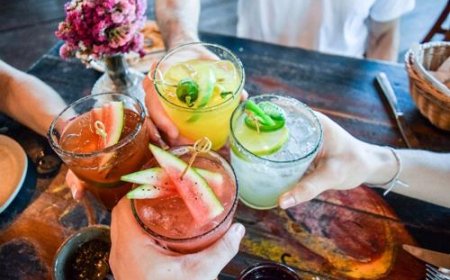
In modern Haitian kitchens, rhum is also used in cooking for example, flambéed seafood or spiced sauces. Increasingly, chefs in Port-au-Prince and abroad integrate local rhum into cocktails using native ingredients like sorrel, ginger, and passion fruit.
Guyanese Stews: Rich, Rooted, and Resilient
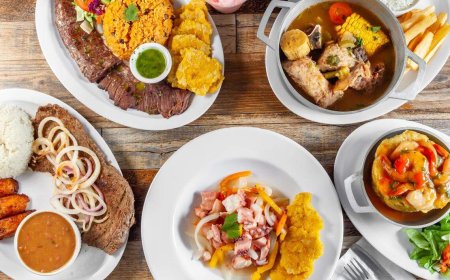
In contrast to Haiti’s mountain distilleries, Guyana’s culinary strength lies in its hearty, slow-cooked stews. Situated on the South American mainland but culturally part of the Caribbean, Guyana’s cuisine draws from African, Indian, Amerindian, and Creole influences.
Key Stews in Guyanese Cooking
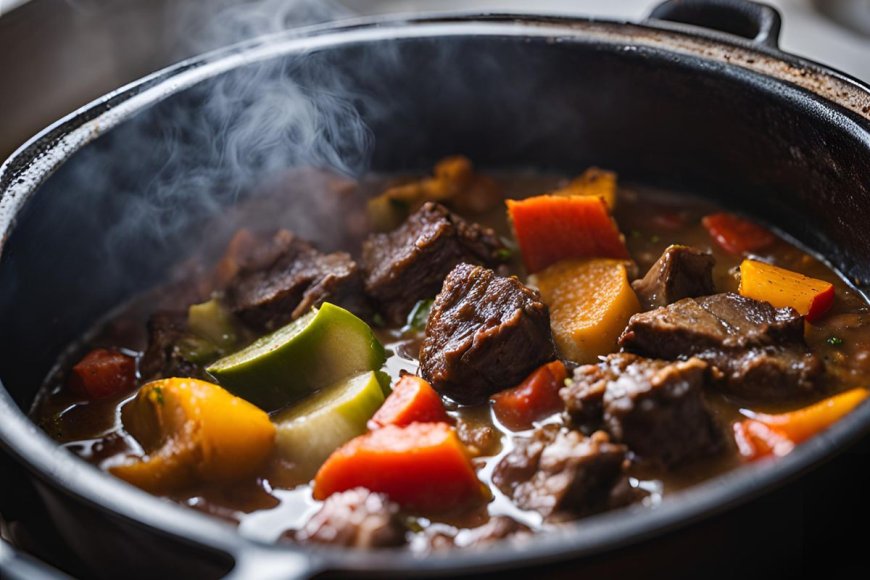
1.Pepperpot – Guyana’s national dish, traditionally served at Christmas. It’s made with slow-cooked beef or pork simmered in cassareep, a dark, bittersweet sauce derived from cassava root. The stew can be kept for days without refrigeration due to cassareep’s preservative qualities. Pepperpot reflects the influence of Indigenous (Amerindian) cooking and African preservation methods.
2.Metemgee – A thick, coconut-milk-based stew featuring root vegetables like yam, cassava, and plantain, often paired with dumplings or fish. It’s considered comfort food in Guyanese homes, symbolizing family gatherings.
3.Brown Stew Chicken or Beef Stew – Reflecting broader Caribbean flavors, these dishes rely on browning meat in caramelized sugar before simmering it with onions, garlic, and herbs.
Preparation Techniques
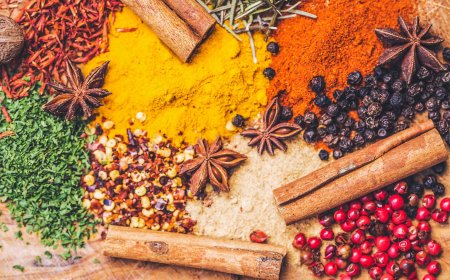
Guyanese stews are defined by slow cooking and the layering of flavors. Coconut milk adds creaminess, while local herbs such as thyme, celery, and shallots provide the base. Spices like cinnamon, clove, and Scotch bonnet peppers bring depth without overpowering. Most households still rely on hand-grated coconut and wood-fire cooking for authentic flavor.
Cultural Significance
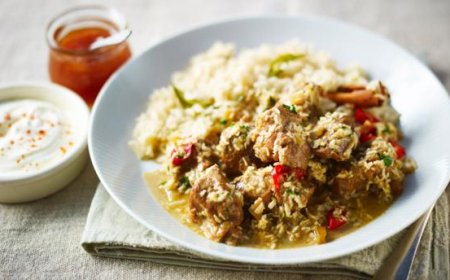
Stews are the centerpiece of communal meals in Guyana. During holidays, weddings, or religious festivals, large pots of pepperpot or curry-based stews are prepared for sharing. The dish often sits overnight to deepen its flavor a practice seen as essential rather than optional.
Restaurants in Georgetown and along the Essequibo Coast have started reviving traditional recipes with a modern twist, combining local produce with international plating styles. However, the essence remains the same hearty, aromatic food that tells a story of resilience and shared heritage.
A Shared Caribbean Connection
While Haiti and Guyana have distinct histories, their culinary identities intersect through shared values: resourcefulness, flavor, and community. Both cuisines rely on locally grown ingredients sugarcane, cassava, coconuts, and tropical spices and both express a cultural link between sustenance and spirit.
In Caribbean kitchens, these foods often appear side by side. Haitian rhum complements Guyanese stews perfectly: a small pour of aged rhum with pepperpot is a combination now popular in regional tasting menus and diaspora restaurants.
Contemporary chefs across the Caribbean from Kingston to Bridgetown are introducing tasting events pairing artisanal rhum with heritage dishes. Haiti’s rhum agricole brings a grassy brightness that balances the dense, molasses-rich stews of Guyana. These collaborations highlight how Caribbean cuisine continues to evolve while honoring its foundations.
Modern Trends and Global Reach
1.Export Growth: Haitian rhum brands like Barbancourt have expanded distribution in North America and Europe, while craft distillers of kléren are gaining visibility in niche spirits markets.
2.Culinary Tourism: Guyana’s Ministry of Tourism has launched food festivals showcasing pepperpot, metemgee, and coconut-based stews as part of its 2025 culinary tourism drive.
3.Diaspora Influence: Caribbean chefs abroad are combining Haitian rhum reduction sauces with Guyanese-style oxtail or stewed fish, attracting diners seeking authentic regional fusion.
4.Sustainability: Both countries are emphasizing sustainable production from sugarcane farming to local sourcing as part of broader Caribbean green initiatives.
Haitian rhum and Guyanese stews stand as two pillars of Caribbean gastronomy. Each reflects deep cultural roots, community pride, and the ability to adapt while maintaining authenticity. Whether enjoyed in a Port-au-Prince bar or a Georgetown family kitchen, these culinary traditions remind us that Caribbean food is more than flavor; it's a living record of history, creativity, and connection.
What's Your Reaction?
 Like
0
Like
0
 Dislike
0
Dislike
0
 Love
0
Love
0
 Funny
0
Funny
0
 Angry
0
Angry
0
 Sad
0
Sad
0
 Wow
0
Wow
0