






























Barbados and St. Lucia: Prime Spots for Vacation Home Investments
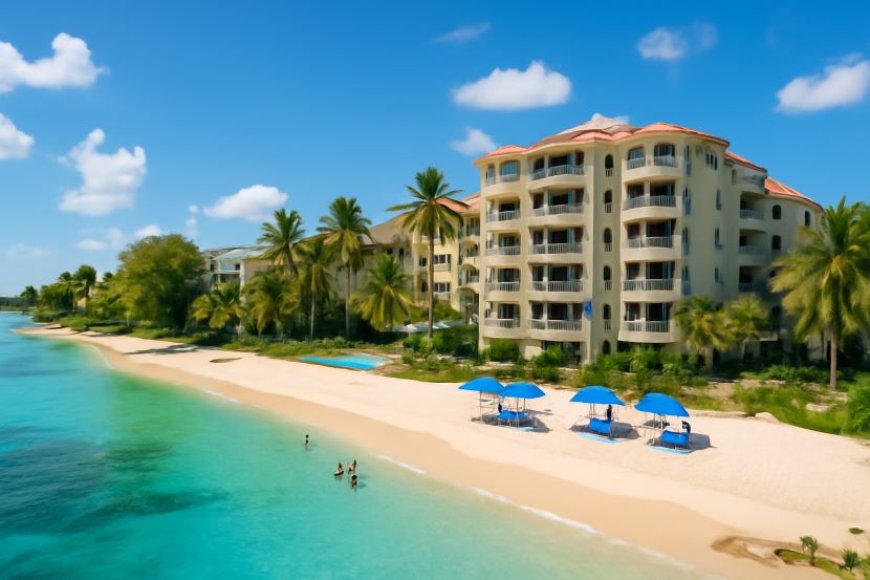
Barbados and St. Lucia have become two of the Caribbean’s most attractive markets for vacation-home investors due to stable tourism demand, limited coastal supply, and rental markets that generate steady short-term income.

1) Quick thesis why these two islands

Barbados offers a mature tourism market, constrained prime coastal supply, and a growing short-term rental economy that supports steady demand for vacation homes.
St. Lucia pairs resort-style real estate demand with a citizenship-by-investment (CBI) pathway for buyers who qualify a combination that attracts capital seeking both lifestyle and mobility benefits.
2) Current market snapshot Barbados
Price and activity: Transaction volumes and sales in key leisure segments have risen in 2024–2025, with particular strength on the west (Platinum) coast and in established resort zones. High-end villa transactions are especially active.
Short-term rental performance: Market data shows healthy STR performance in core towns for example, Bridgetown averages roughly USD 24,460 annual revenue per listing and ~52% occupancy in recent 12-month windows; Holetown shows a similar active STR market. These figures illustrate real cash-flow opportunities where demand is sustained.
Typical yields: Well-positioned villas and holiday homes in prime areas often deliver net annual returns in the low single digits (roughly 3-5%) after operating costs; mid-market condos can produce different profiles depending on management and occupancy.
Drivers & risks: Drivers include stable inbound tourism, rising workcation demand, and limited beachfront supply. Risks include increasing construction costs, seasonal occupancy swings, and higher purchase competition for prime plots.
3) Current market snapshot St. Lucia
CBI-linked demand: St. Lucia’s CBI program allows qualification via an approved real-estate purchase starting at USD 300,000, with the property held for a minimum period (commonly five years) to satisfy program rules. This policy channels investor interest into approved resort and branded-residence developments.
Project concentration: Inventory of approved CBI projects is relatively limited most qualifying options are resort villas, branded residences, or hotel-linked units in zones like Rodney Bay, Marigot Bay, and areas near the Pitons. That concentration can boost prices in approved projects but narrows choices.
Return profile: Resorts and managed villas tied to CBI schemes typically show mid-single digit yields (commonly 4–7%) depending on management contracts and occupancy; investors often rely on both rental income and capital appreciation on resale after the holding period.
CBI caveats: Administrative fees, due-diligence costs, and potential processing delays add to acquisition overhead. Policy changes or program adjustments are possible, so buyers must confirm up-to-date rules and approved projects before committing.
4) Where to buy location profiles
Barbados
West/“Platinum” Coast (Hopetown, St. James) luxury villas, gated estates, strong rental demand.
South Coast (Christ Church) easier access to airports and services; more mid-market and condo opportunities.
Emerging parcels (east/south-east) land buys for custom builds; potentially lower purchase prices but longer development timelines.
St. Lucia
Rodney Bay / Gross Islet marina, restaurants, accessible tourist hub; popular for condos and villas.
Marigot Bay and Soufrière (Pitons area) high-end resorts, scenic value, tourism appeal for luxury stays.
Approved CBI developments limited list; must verify project approval status to meet citizenship requirements.
5) Investment structures and taxation practical facts
Ownership: Both islands allow foreign nationals to buy property; processes differ (title searches, stamp duties, transfer taxes). Use local legal counsel.
Taxes & fees: Expect transfer taxes, stamp duty, registration fees, property taxes (varies by municipality), and recurring costs like insurance and utilities. Factor these into yield calculations.
CBI-specific terms: In St. Lucia, the real-estate CBI route requires purchase of an approved property and adherence to holding period rules (commonly five years). Administrative fees are additional. Confirm current government guidance before purchase.
6) Financial performance and management realities
Operating costs: Expect management fees (15–35% typical for short-term rentals depending on service level), maintenance, utilities, insurance, and periodic capex. These reduce headline yields.
Occupancy volatility: Caribbean markets are seasonal; winter months typically see peak bookings. STR data (e.g., Bridgetown/Holetown) show meaningful ADRs but occupancy can swing by season. Build conservative projections.
Professional management: For remote owners, a vetted local manager or resort-run rental program is essential to preserve value and guest experience.
7) Risk checklist (what can go wrong)
Regulatory or CBI rule changes that affect eligibility or resale.
Delays or cost overruns on new builds (rising construction costs).
Lower-than-expected occupancy due to macro travel shocks or increased competition.
Currency and repatriation rules verify foreign exchange and profit repatriation procedures with a local advisor.
8) Step-by-step investment checklist
Clarify objectives: personal use, rental income, capital gain, citizenship route (St. Lucia).
Confirm up-to-date CBI rules (if applicable) and project approval status.
Engage local lawyers for title search, contract review, and tax implications.
Run conservative pro-forma: model occupancy, ADR, management fees, and all costs. Use STR data for target area (e.g., AirROI reports).
Inspect property and operations or hire a trusted representative.
Plan exit: resale prospects, holding period (St. Lucia CBI = commonly five years), and liquidity timeline.
9) Short outlook (near term)
Barbados is likely to keep showing resilience in high-demand coastal segments as tourism normalizes and remote-work buyers continue interest. STR and luxury market reports show rising transactions and activity.
St. Lucia should remain attractive to CBI-minded buyers and resort investors, though supply of qualifying projects constrains broad market growth; monitor any CBI program updates.
10) Summary
Choose Barbados if you want a broad market with established tourism, a range of property types, and direct rental demand across towns and resort pockets.
Choose St. Lucia if the citizenship route, or a resort-style branded residence in a scenic setting, aligns with your goals but confirm approved projects, holding periods, and fees first.
What's Your Reaction?
 Like
0
Like
0
 Dislike
0
Dislike
0
 Love
0
Love
0
 Funny
0
Funny
0
 Angry
0
Angry
0
 Sad
0
Sad
0
 Wow
0
Wow
0