




























Conch Fritters and Jerk Chicken: Street Food Favorites Across the Islands
Conch fritters and jerk chicken are two of the most recognized street food staples across the Caribbean, each representing a different aspect of island life and culture. Jerk chicken, rooted in Jamaican tradition, is marinated with Scotch bonnet peppers, thyme, and allspice before being grilled over pimento wood or charcoal

1. What the dishes are

a) Conch Fritters
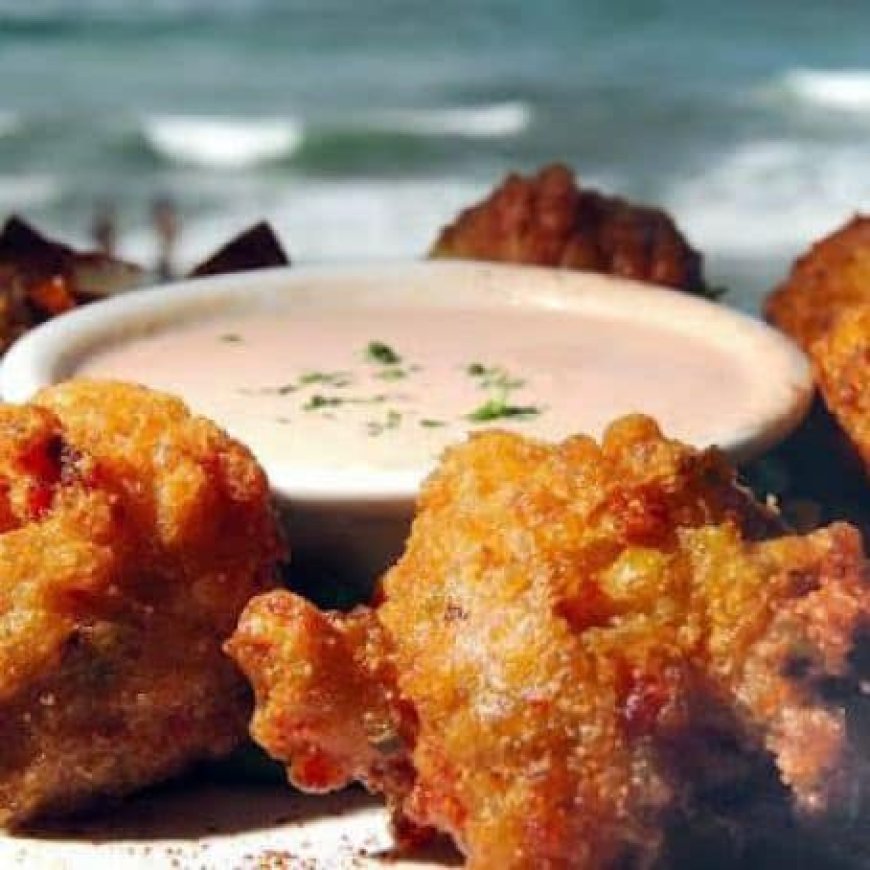
Fritters are made from chopped or minced conch (a large sea-snail / mollusk) mixed with batter, often vegetables (onion, bell pepper, celery), seasonings and flour or cornmeal, then deep-fried.
They are commonly served as snack or street-food items in various Caribbean destinations (especially in the Bahamas, Turks & Caicos, and more broadly).
They are often accompanied by a dipping sauce (such as mayonnaise-ketchup-lime blend, or tartar/aioli) and sometimes a squeeze of lime.
b) Jerk Chicken
A grilled (or smoked) chicken dish typical to Jamaica the chicken is marinated in a spice rub/blend (including Scotch bonnet pepper, allspice/pimento, thyme, garlic, sometimes nutmeg/ginger) then cooked over charcoal or pimento-wood fire to impart smoke and flavour.
“Jerk” refers to the cooking method (roughly preserving/seasoning + smoking/ grilling) deriving from indigenous Taino techniques and African slave-community adaptations in Jamaica.
Sold widely as street food in Jamaica and accepted globally as emblematic of Caribbean street cuisine.
2. Where & how to find them (street food context)
Conch Fritters
In the Bahamas they are found at food markets, beach‐shacks and roadside stalls in places like Nassau, Freeport.
In the Turks & Caicos Islands you’ll find conch fritters on almost every menu and also at local festivals; they are embedded in local food culture.
In the British Virgin Islands (BVI) and other islands they appear at casual vendors/roadside restaurants; for example in BVI you may pay around US$8-12 for fritters from a vendor.
Jerk Chicken
In Jamaica you’ll find jerk chicken at roadside stalls, food shacks, beach‐side stands, night markets and festivals notably in places like Kingston, Montego Bay and rural markets.
The cooking setup is often an outdoor grill or pit with charcoal/pimento wood, giving the smoky flavour that is key to jerk.
It’s also exported via Caribbean restaurants and street-food vendors abroad, but for authenticity the island stalls give the full experience.
3. Ingredients & preparation details
Conch Fritters
Meat: The conch is cleaned, chopped or minced (the meat can be chewy so fine chopping helps).
Batter: A mixture of flour or cornmeal, eggs/milk, chopped vegetables (onion, bell pepper, celery), spices (cayenne, curry powder sometimes) and conch meat.
Frying: The ball or patty shapes are deep-fried until golden brown. Served hot.
Sauce / Accompaniments: A tangy or spicy dipping sauce often accompanies; a lemon or lime squeeze is common.
Jerk Chicken
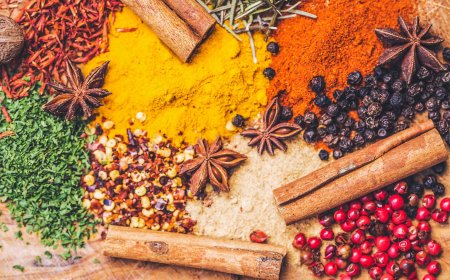
Marinade/Seasoning: Required ingredients typically include allspice (pimento), Scotch bonnet or similar hot pepper, thyme, garlic, onion, sometimes cinnamon/ginger/nutmeg.
Cooking method: After marination, the meat is slow-cooked or grilled over charcoal or specifically pimento wood for the smoky effect.
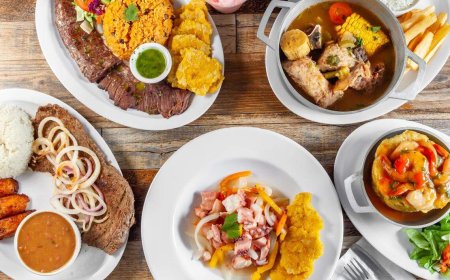
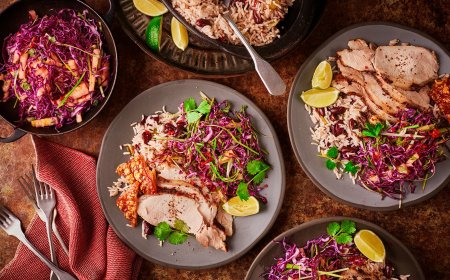
Serving: Street vendors grill chicken pieces (often thighs or legs) and serve with sides like rice and peas, fried plantain, bread or dumplings.
4. Cultural and historical context
Conch Fritters
The consumption of conch in the Bahamas (and other islands) dates back to indigenous populations (e.g., Lucayan people) and became widely adopted in Bahamian cuisine.
The dish has become a recognized “fast food” among locals and tourists in the Bahamas.
Sustainability concerns: Because conch harvesting has increased, some islands have regulatory measures; sourcing may matter.
Jerk Chicken
Jerk cooking has its origins with the indigenous Taino people in Jamaica and evolved via Maroon communities of formerly enslaved Africans who used smoking/preserving methods and local woods.
It is more than food, it represents Jamaican heritage, communal outdoor cooking, social gatherings and identity.
While its roots are Jamaican, the style and flavour have spread across the Caribbean and globally, though authentic versions still rely on local techniques and wood/charcoal smoke.
5. Why they’re street-food favorites
Accessibility: Both dishes are relatively quick to prepare (especially the fritters) and fit the mobile/roadside vendor model ideal for beachside shacks or food stalls.
Flavor profile: Conch fritters deliver a sea-mollusk taste with spice and crunch; jerk chicken delivers bold spice, smoke and flavour.
Local sourcing: Both use local ingredients (conch from local waters; chicken spiced with local herbs/pepper) which strengthens connection to place.
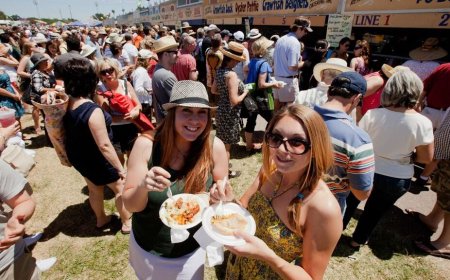
Community and tourism crossover: They appeal to both locals and visitors, making them staples in food markets, festivals and tourist-friendly street food scenes.
6. Where to try them, quick list
Bahamas (Nassau, Freeport) for conch fritters in the street/market setting.
Turks & Caicos Islands for conch fritters almost everywhere, local menus call them out.
Jamaica (Kingston, Montego Bay, rural stands) for authentic jerk chicken served by roadside vendors.
British Virgin Islands / Cayman Islands – you’ll find conch fritters and jerk chicken stalls in casual beach-front or market locations.
7. Tips for enjoying them
Ask about sourcing (especially for conch). If sustainability is a concern, check whether the vendor uses responsibly harvested conch.
For jerk chicken: specify your heat tolerance. Street vendors may pack the Scotch bonnet pepper punch.
Try the traditional accompaniments: for fritters – dipping sauce + lime; for jerk chicken, sides like rice & peas, fried plantain, bread or festival bread.
Visit during local food markets or food-festival evenings to find the best-valued street-food stalls.
Be ready for casual settings: street vendors, beach shacks, roadside grills often are informal but authentic and safe.
For conch fritters: check freshness of the meat (well-chopped, not overly rubbery) freshness matters.
For jerk chicken: if you see smoke plume and an oil-drum or pimento wood grill, that’s a good sign of authenticity.
Summary
Conch fritters and jerk chicken are two iconic Caribbean street-food dishes that reflect local ingredients, cooking traditions and culture.
Conch fritters showcase seafood from local waters, deep-fried snack style, popular in the Bahamas and other islands.
Jerk chicken represents Jamaica’s culinary heritage of spiced, smoked, grilled meat served in street-food form.
Both dishes are accessible, flavorful, rooted in place, and a must-try when you’re island-hopping or exploring local cuisine beyond resorts.
What's Your Reaction?
 Like
0
Like
0
 Dislike
0
Dislike
0
 Love
0
Love
0
 Funny
0
Funny
0
 Angry
0
Angry
0
 Sad
0
Sad
0
 Wow
0
Wow
0