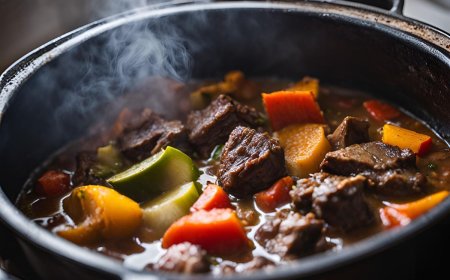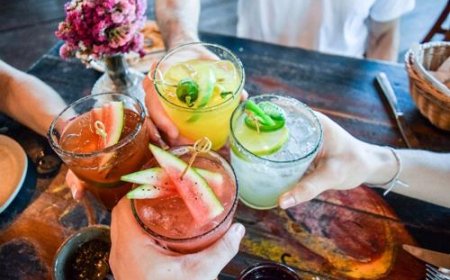











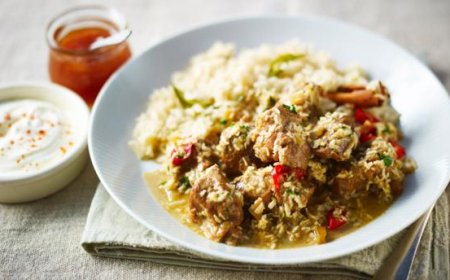























Caribbean Cuisine Trends: Cravings and Flavours
Caribbean cuisine’s trajectory is defined by heritage recovery + global adaptation + health & functional innovation. Whether you’re a chef, food brand, or consumer, the wave of Caribbean flavours offers real opportunities not just for novelty, but for meaningful culinary innovation grounded in ingredient authenticity and market growth.

Key Market & Industry Data

1.The broader Caribbean food market offers strong indicators of the direction cuisine and food products are moving. For example:
2.The food market in the Caribbean region is projected to be valued at US$53.54 billion in 2025, and is expected to grow at a compound annual growth rate (CAGR) of around 6.1% through to 2030.
3.Within that, the sauces & spices segment (which is core to Caribbean cuisine) is forecast at about US$1.89 billion in 2025, with a growth rate of ~6.7% through to 2030.
Snack-food oriented launches from the Caribbean (including diaspora influenced markets) support growth of unconventionally branded Caribbean flavour products.
These figures show strong demand for Caribbean-derived flavours, both within the region and in export or diaspora markets.
Key Ingredient & Flavour Themes
Some of the major culinary shifts in the region and beyond include:
1.Plant-based, health-conscious adaptations: Traditional Caribbean components such as root vegetables, plantains, cassava and leafy greens are being re-imagined in health-forward formats (e.g., vegan mains, veggie bowls).
2.Traditional heritage ingredients gaining recognition: For example, the root crop cassava (and derivatives such as cassava bread) was inscribed on the UNESCO Intangible Cultural Heritage list in late 2024/early 2025, boosting interest in its use.
3.Fusion & global-local reinterpretation: Caribbean dishes are more commonly being adapted with global techniques or combined with other cuisines. For example, dishes using jerk spice or Scotch bonnet peppers appear in tacos, fusion bowls, condiments etc.
4.Sustainability, sourcing and digital innovation: Food producers in the Caribbean region are increasingly focused on sustainable sourcing, zero-waste cooking, and use of technology (AI for sourcing, packaging optimization) to bring Caribbean flavours to global markets.
5.Snack, condiment & export growth: The sauces & spices segment (jerk sauces, hot sauces, marinades) is growing rapidly. The export-ready format of Caribbean flavour products is expanding in North America & Europe.
What These Trends Mean in Practice
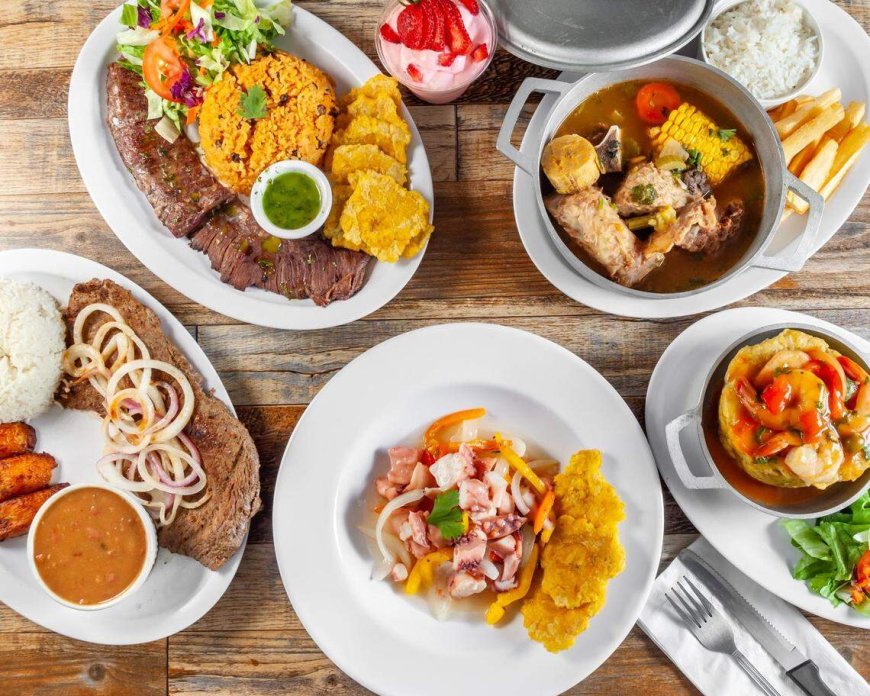
1.For restaurants and chefs: Expect menus to feature more Caribbean-inflected dishes beyond the “classic island plate”. Think: plantain-based sides, seafood entrées with tropical fruit-spice salsas, root vegetable mains using callaloo or cassava flour, vegan takes on jerk-seasoned items. The fusion trend means you’ll see Caribbean flavours integrated into sandwich builds, tacos, bowls, or casual dining.
2.For food brands & product developers: There’s opportunity in ready-to-use Caribbean flavour formats (sauces, spice rubs, snack chips using plantain or cassava), and health-driven versions (low salt, plant-based, functional ingredients like moringa). According to market research, new product launches with Caribbean flavour influence are growing strongly.
3.For consumers: The appeal lies in both novelty and familiarity. Caribbean flavours offer vibrant, layered spices and tropical produce (mango, coconut, plantain) yet are being presented in familiar formats (wraps, bowls, vegan mains) which lowers the barrier for wider adoption.
4.For sourcing & region-economy implications: The growing interest in heritage ingredients (cassava, local spices, sea moss, etc) means more value to region producers and possible premiumisation. For example, the UNESCO recognition of cassava bread opens new tourism, export and heritage marketing angles.
5.Considerations & Challenges
Authenticity vs adaptation: While adaptation helps mainstream acceptance, there’s a balancing act between preserving authentic regional cooking and modifying for broader palates / dietary needs.
6.Supply chain & sustainability: Many Caribbean islands are still reliant on food imports; local sourcing at scale can be challenging. A recent survey showed food import reliance remains significant in many Caribbean economies.
7.Pricing and premiumisation: As heritage ingredients and export-ready products gain traction, they may carry premium pricing which could limit accessibility in some markets.
8.Health & regulatory trends: With consumers increasingly demanding clean-label, organic, plant-based options, Caribbean-inspired cuisines must align with those expectations (e.g., reducing sodium/sugar) while retaining flavour authenticity.
Caribbean cuisine’s trajectory in 2025 is defined by heritage recovery + global adaptation + health & functional innovation. Whether you’re a chef, food brand, or consumer, the wave of Caribbean flavours offers real opportunities not just for novelty, but for meaningful culinary innovation grounded in ingredient authenticity and market growth.
What's Your Reaction?
 Like
0
Like
0
 Dislike
0
Dislike
0
 Love
0
Love
0
 Funny
0
Funny
0
 Angry
0
Angry
0
 Sad
0
Sad
0
 Wow
0
Wow
0