















Turks and Caicos Adventures: Snorkelling and Beach Exploration
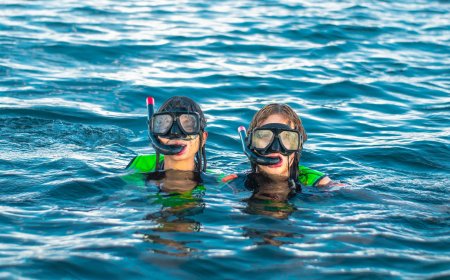
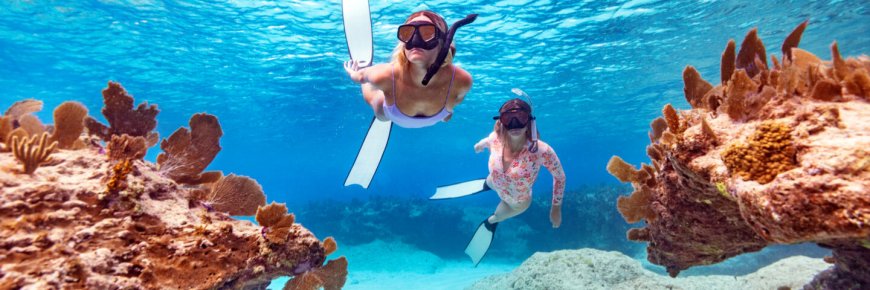
Turks and Caicos offers some of the Caribbean’s most accessible and rewarding snorkelling and beach experiences. The main island, Providenciales, features top snorkel spots such as The Bight Reef (Coral Gardens) and Smith’s Reef, where visitors can swim directly from the beach to see turtles, rays, and colourful coral. More advanced snorkelers can explore Malcolm’s Road Beach or take boat trips to offshore reefs near Long Cay and South Caicos.

1. Why Turks and Caicos?

The archipelago offers easily accessible reefs, beaches with good sand and water clarity, and a range of snorkeling conditions from beginner to advanced.
According to the official tourism site, two of the best shore-snorkeling spots on the main island of Providenciales are The Bight Reef and Smith’s Reef.
More remote areas (for example in South Caicos) provide under-explored or less-crowded reef systems for those willing to travel.
2. Top snorkeling spots (walk-in & boat)
The Bight Reef (Providenciales, “Coral Gardens”): Located off Bight Beach, this reef is reachable by walking in from the beach and continues offshore about 400 ft (≈122 m). It is labelled as Provo’s most accessible reef for shore snorkelling. You’ll find turtles, stingrays, and fish in shallow coral heads.
Smith’s Reef (Providenciales, Turtle Cove area): A more extensive reef network suited for snorkelers comfortable going a bit farther. The reef starts right off the beach and extends into seagrass flats and coral heads. Wildlife includes eagle rays, turtles, lobsters, and many reef fish.
Malcolm’s Road Beach (West coast of Providenciales): For more advanced snorkelers. It has spur-and-groove reef formations starting close to shore and dropping off.
Long Cay & other Cays (South Caicos region): These are more remote areas reachable by boat, offering snorkeling off the beaten track with clear visibility and larger marine life.
3. Beach exploration beyond just snorkeling
Beaches such as Grace Bay Beach and others on Providenciales offer time on sand, shallow water wading, and scenic walks. For Grace Bay, though, snorkeling directly from the beach is limited; you’ll often need a boat to reach the barrier reef.
Some beaches are less developed (few facilities) which means more natural setting but also fewer conveniences planned accordingly.
Example: According to the official beach information, most beaches have free parking and limited public restrooms; facilities vary by beach.
4. Practical tips & guidelines
Gear: You can buy or rent snorkeling gear. On Providenciales, snorkel gear sets range from about US$30 for a basic mask/snorkel/fins set to US$70-100 for higher quality.
Reef-safe practices: Use reef-safe sunscreen (avoid oxybenzone and octinoxate) so as not to damage coral.
Safety & conditions:Check wind, waves and tide conditions. Some snorkel spots face ocean swells or stronger currents (especially remote spots).
Beginners should stick to calmer, protected reefs (for example The Bight Reef, Smith’s Reef) rather than attempting drop-offs or deep water unprepared.
Do not touch or stand on coral coral is living and damage is easily done.
Wildlife caution: While risks are low, you should always maintain awareness when in open water. For example, an incident occurred in early 2025 where a snorkeler was seriously injured after approaching a shark for a photo.
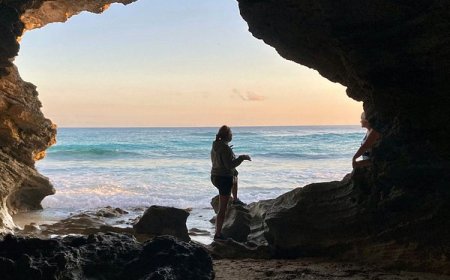
Access & transport: Some snorkeling beaches or remote cays require rough roads or boat rides (Malcolm’s Road Beach, Long Cay). Make sure to plan for time, transport and supplies (water, shade).
Environmental rules: Some reefs or islands are within protected areas. Fishing or taking natural/historical objects is prohibited in those zones.
5. Suggested itinerary for a day
Here’s how you might plan a full snorkel/beach day:
Morning: Head to a shore‐accessible reef (e.g., Smith’s Reef). Arrive early to avoid crowds; snorkel for 1-2 hours, observing reef fish, turtles, coral heads.
Mid-day: Move to beach time, choose a nice sand beach for lunch, relaxation, shallow swimming, maybe a short walk along the coast.
Afternoon: If you’re up for it, book a boat charter or excursion to a more remote reef or cay for deeper snorkeling or more marine life. Alternatively, stay on the beach and explore another nearby beach (for example west coast or less visited side).
Evening: Swim or wade in shallow water as the sun lowers, take a beach walk, maybe dine with a sea view.
6. What you’re likely to see
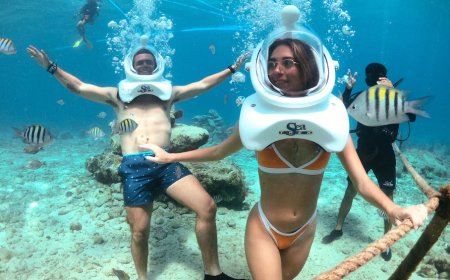
Reef fish: A wide variety of fish such as butterflyfish, parrotfish, angel fish, wrasse, damselfish.
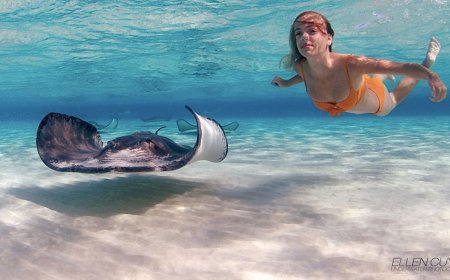
Larger creatures: Eagle rays, stingrays, turtles, occasionally reef sharks (especially near drop-offs).
Coral formations: Sea fans, coral heads, spur and groove reef formations in deeper spots.
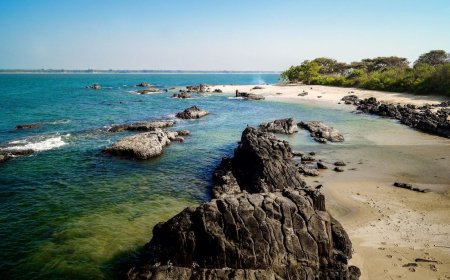
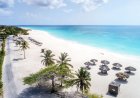
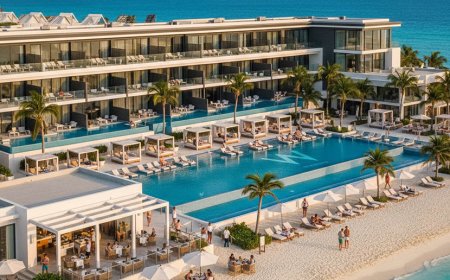
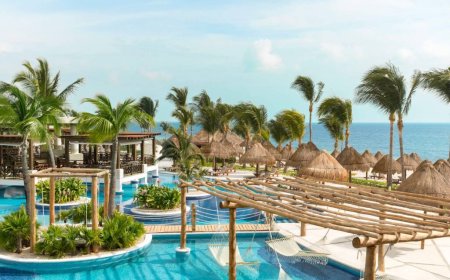
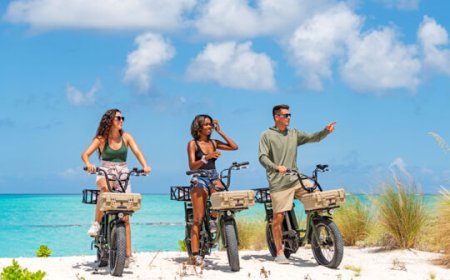
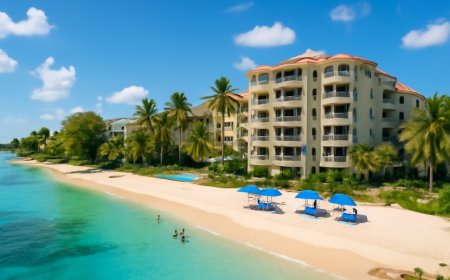
On beaches: White-sand beaches, shallow turquoise water, ideal for both exploration and relaxing.
7. When to go & where to stay
Timing: Visibility and calm water tend to be best outside major storm/hurricane season, though Turks and Caicos enjoy warm water year-round.
Staying on Providenciales gives good access to both beach-snorkeling and boat excursions.
Other islands (South Caicos, North/Middle Caicos) are options if you're looking for quieter, less-built-up settings with more remote snorkeling.
Accommodations: Choose lodging near a beach with easy access to snorkel spots if daily reef exploration is part of your plan.
8. Additional beach highlights (beyond snorkeling)
Beaches like Taylor Bay Beach (south coast, Providenciales) and Sapodilla Bay Beach are noted for shallow, calm water suited for families and relaxed beach time.
On the island of Grand Turk, beaches like Governor’s Beach and English Point offer snorkeling options and beach access from the island town.
Infrastructure: Many beaches permit free parking; public restrooms are limited and lounge/chair rentals can be resort-specific.
9. Realistic expectations
Don’t assume every reef will be pristine or completely isolated, popular spots like The Bight Reef may see lots of visitors and some degradation from heavy traffic.
Remote beaches or cays entail more logistic planning: transport, supplies, weather variation, fewer facilities.
Wildlife sightings (e.g., turtles, rays, sharks) are possible but not guaranteed treat them as bonuses rather than certainties.
Weather and water conditions can change: wind, tide, swell can affect snorkeling quality and safety.
Final remarks
If you prepare well, maintain safe practices, and pick the right locations, Turks and Caicos offers a compelling combination of beach time and snorkeling adventure. Whether you’re able to wander into shallow reefs from the sand or you charter out to deeper drop-offs, you can adjust to your skill level and interest. Use the practical tips above to plan and make the most of your exploration.
What's Your Reaction?
 Like
0
Like
0
 Dislike
0
Dislike
0
 Love
0
Love
0
 Funny
0
Funny
0
 Angry
0
Angry
0
 Sad
0
Sad
0
 Wow
0
Wow
0