























Fishing Villages and Culture-Rich Spots: Top 25 Islands for 2026
In 2026, island travel is shifting toward authentic fishing villages and culture-rich destinations that highlight community life, heritage, and sustainable tourism. From Labuan Bajo in Indonesia to Naoshima in Japan and Gouyave in Grenada, travelers can experience living maritime traditions, local seafood markets, and small-scale conservation efforts. These 25 islands combine hands-on cultural immersion with responsible tourism, offering real insight into coastal livelihoods rather than resort-only experiences.

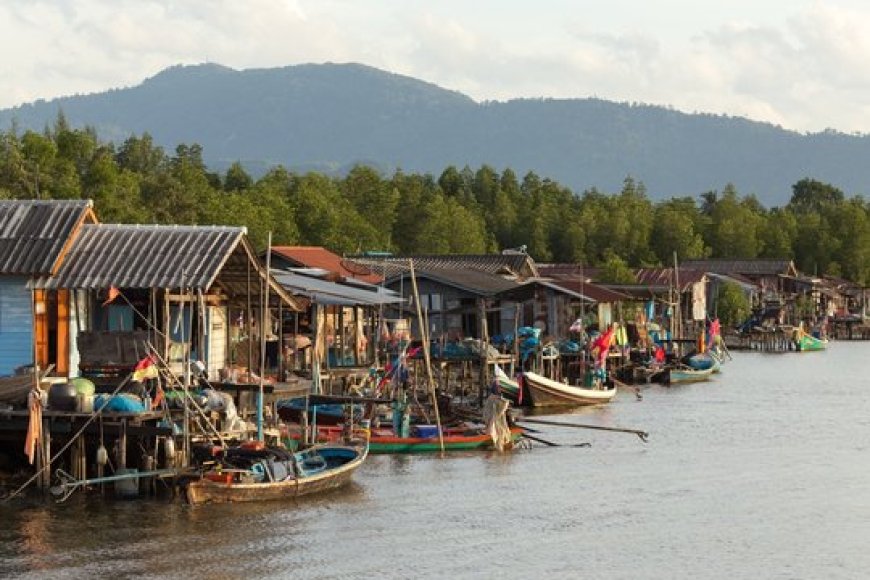
Demand for authentic village experiences, community-run tours, and sustainable fisheries-based tourism is rising, cultural districts, small-scale festivals and conservation projects are shaping island visitor offers for 2026.

1. Labuan Bajo (Flores), Indonesia gateway to Komodo
Why: A traditional fishing town expanding into longer-stay cultural tourism; local boatmen still run the small-boat economy that feeds nearby islands.
2026 angle: Airport upgrades and new hotels are encouraging overnight stays so visitors have time to meet local fishers rather than only day-trip diving.
Tip: Book a village boat tour through a community operator to support local livelihoods.
2. Naoshima (Seto Inland Sea), Japan fishing village turned art hub
Why: Fishing hamlets and boatbuilding heritage coexist with world-class art projects; authentic village lanes remain outside the museum circuit.
2026 angle: Continued promotion as a cultural destination means you can combine contemporary art with real harbourside life.
Tip: Stay in a local guesthouse to experience early-morning harbour activity.
3. Pemuteran (Bali), Indonesia
Why: A small fishing community recognized for reef restoration and community tourism.
2026 angle: Pemuteran received recent UNWTO recognition for sustainable community tourism efforts, raising its profile for culturally aware travelers.
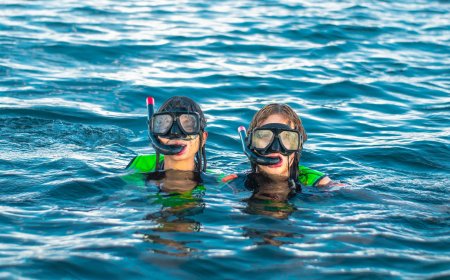
Tip: Ask about community reef projects when booking snorkel trips.
4. Lofoten Islands, Norway
Why: Iconic fishing villages (Henningsvær, Reine) with working cod fisheries and seasonal stockfish production.
2026 angle: Lofoten-style fishing experiences and small local festivals are expected to be high-demand for 2026 adventure travelers.
Tip: Visit during the cold-season markets or for the midnight sun window.
5. Palau (Koror + outer islands)
Why: Strong fishing heritage, traditional canoe culture and community craft practices.
2026 angle: Palau is emphasizing village tours and cultural programming alongside its marine conservation messaging.
Tip: Choose operator-run village tours that share revenue with local communities.
6. Gotō Islands (Fukue, Uku, etc.), Japan
Why: Historic fishing and Christian village heritage, small harbours and seasonal festivals.
2026 angle: Regional coverage is highlighting these islands as uncrowded cultural alternatives in Japan.
Tip: Time a visit for a local shrine or fishing festival to see ceremonial boat blessings.
7. Bathsheba / East Coast, Barbados
Why: Working fishing coves plus public seafood events (Oistins Fish Fry is the major evening market/celebration).
2026 angle: Continued promotion of Bathsheba as a cultural and surf destination keeps village life visible.
Tip: Go early to the harbour to see fish offloads then return at night for Oistins.
8. Gouyave (Grenada)
Why: Active fishing port known for locally led Fish Friday festival and small fishers.
2026 angle: Festivals and community food events continue to drive visitor interest in village culture.
Tip: Attend Fish Friday to sample fresh catch cooked by local stalls.
9. Minicoy, Lakshadweep (India)
Why: Distinct Mahl language and tuna-fishing traditions; village-based governance and maritime economy.
2026 angle: Limited access makes Minicoy a conservative-tourism option appealing to travelers seeking authentic village life.
Tip: Respect local customs and check permit/transport availability before planning.
10. Naoussa (Paros), Greece
Why: Traditional harbour with active small-boat fishing alongside tavernas that buy direct from fishers.
2026 angle: Cycladic islands continue to promote slower itineraries and harbour mornings are especially authentic.
Tip: Visit early to watch the vendors and fishermen.
11. Marsaxlokk, Malta
Why: Traditional luzzu fishing boats, Sunday fish market and long maritime heritage.
2026 angle: Market culture remains central to the village and a reliable daily cultural experience.
Tip: Go for the Sunday market but eat at a local stall for fresher prices.
12. Mindelo (São Vicente), Cape Verde
Why: Port culture, music heritage (morna) and artisanal fishing are tightly linked.
2026 angle: Mindelo remains a cultural capital with active harbour life that feeds local cuisine and music scenes.
Tip: Combine a harbour walk with evening live music in town.
13. Câmara de Lobos, Madeira (Portugal)
Why: Historic fishing centre associated with local fisheries (tuna, black scabbardfish).
2026 angle: Ongoing culinary and coastal tours emphasize local catches and small-boat traditions.
Tip: Sample espetada (meat skewers) and fresh fish sold in village cafés.
14. São Miguel and Faial, Azores (Portugal)
Why: Centuries-old maritime livelihoods, tuna and whale-related history, island markets.
2026 angle: Sustainable whale-watching and local fisheries continue to support resilient island economies.
Tip: Visit small island markets for canned tuna and local preserves.
15. Carloforte, Sardinia (Italy)
Why: Tonnara (traditional tuna fishery) culture and Genoese fishing heritage.
2026 angle: Cultural heritage programs preserve island fishing customs and festivals.
Tip: Time your trip for a festival linked to the sea.
16. Negombo / Mirissa, Sri Lanka
Why: Busy Asian fishing harbours with daily auctions and boat-based livelihoods (oruwa / catamarans).
2026 angle: Resurgent tourism balances with demand for authentic fish-market experiences and coastal foodways.
Tip: Morning auctions are best for observation and photos ask permission before shooting people.
17. Palawan (El Nido / Port Barton), Philippines
Why: Traditional banca boat culture, village markets and reef-based fisheries.
2026 angle: Community tourism and reef conservation projects continue to shape local offers.
Tip: Support community-managed snorkeling trips to protect reefs and fish stocks.
18. Amed & Jimbaran, Bali (Indonesia)
Why: Active morning markets and landing beaches where small fishers operate.
2026 angle: Recognition of small-scale communities (Pemuteran example) encourages responsible visits across Bali.
Tip: Try the morning fish markets for authentic street-side meals.
19. Vis & Komiža, Croatia
Why: Dalmatian fishing traditions, small harbours and local tuna/bluefish cuisine.
2026 angle: Slow-travel interest in the Adriatic highlights traditional villages and harbour rituals.
Tip: Ask about overnight boat trips that follow old fishing routes.
20. Itoman (Okinawa), Japan
Why: Okinawan maritime festivals and cooperative fishing communities persist in port towns.
2026 angle: Regional programming supports traditional fisheries as cultural heritage.
Tip: Seek cooperative-run tours that explain fishery practices.
21. Georgetown & outlying cays, Exuma (Bahamas)
Why: Small working harbour communities and bonefishing traditions.
2026 angle: Low-density island experiences remain desirable; community lodges link catch-and-cook meals to local fishers.
Tip: Book with ethical bonefishing guides that prioritize conservation.
22. Kralendijk, Bonaire
Why: Reef stewardship and small-scale fishers who work alongside marine protection.
2026 angle: Bonaire’s reef focus keeps fishing small, regulated and locally significant.
Tip: Combine a market visit with reef education centers.
23. Marzamemi & Ortigia, Sicily (Italy)
Why: Historic tuna harvests and working harbour markets remain cultural anchors.
2026 angle: Culinary tourism drives renewed interest in artisanal fishing traditions.
Tip: Try a simple trattorie that buys fish directly from the morning catch.
24. Kadavu & Vanua Levu (Fiji)
Why: Village-based fishing and customary marine tenure systems protect local fisheries.
2026 angle: Community-managed marine areas are increasingly part of responsible travel itineraries.
Tip: Book community-run homestays to ensure benefits reach villages.
25. Shetland / Orkney (Scotland, UK)
Why: North Atlantic fishing culture, small harbours, seasonal festivals and seafood markets.
2026 angle: Island festivals and seafood events remain a reliable way to experience working ports and community resilience.
Tip: Visit during a local seafood festival for market access and cultural programming.
How to use this list (practical checklist)
Choose islands by type of experience: (1) working harbour mornings, (2) festival/food events, (3) community-run tours, (4) conservation-linked village visits.
Confirm logistics ahead: island ferries/flight timetables, local permits (some Indian and protected islands require them), and whether homestays or community tours are operating in 2026.
Prioritize community-run operators and co-ops to ensure tourism dollars support villages.
Closing note (sources & credibility)
This selection synthesizes 2025–2026 travel coverage and recent destination updates that emphasize cultural programming, community tourism and reef/fishery conservation as the key drivers for these islands in 2026. For example, global travel roundups and destination spotlights identified Labuan Bajo and Naoshima as 2026 priorities, while UNWTO recognition and conservation reporting highlighted village-level winners such as Pemuteran. Use local tourism boards and community operators as your single-source authority before booking.
What's Your Reaction?
 Like
0
Like
0
 Dislike
0
Dislike
0
 Love
0
Love
0
 Funny
0
Funny
0
 Angry
0
Angry
0
 Sad
0
Sad
0
 Wow
0
Wow
0