












Quiet Islands Rising: St. Eustatius and Tobago for Off-Grid Adventures
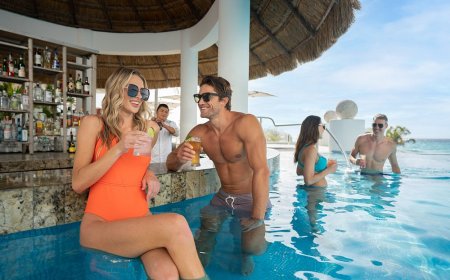
While the Caribbean's greatest hits Jamaica, Aruba, the Bahamas strain under the weight of industrial tourism, two islands operate on a completely different frequency. St. Eustatius and Tobago don't do mega-resorts or all-inclusive buffets where everything tastes vaguely the same. They don't have swim-up bars playing "Three Little Birds" on an eternal loop. What they offer instead: reefs so pristine that veteran divers get emotional, rainforests older than most countries, and beaches where your footprints might be the only ones for hours.

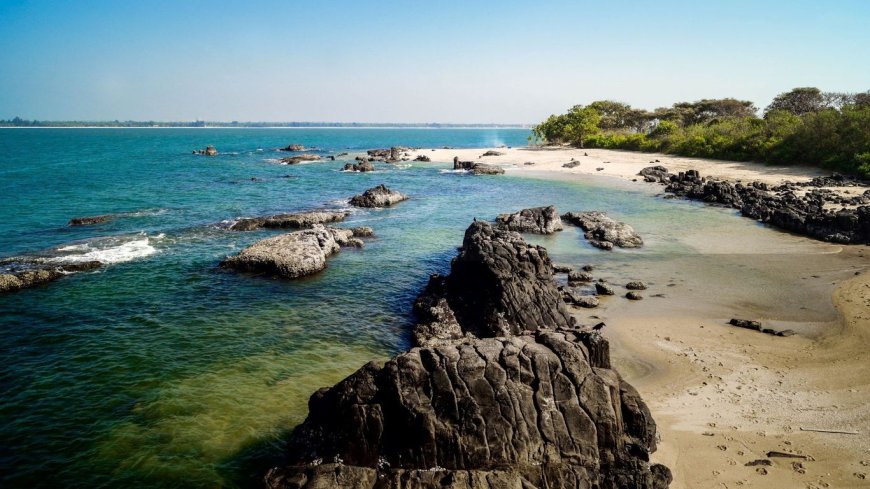
While the Caribbean's greatest hits Jamaica, Aruba, the Bahamas strain under the weight of industrial tourism, two islands operate on a completely different frequency. St. Eustatius and Tobago don't do mega-resorts or all-inclusive buffets where everything tastes vaguely the same. They don't have swim-up bars playing "Three Little Birds" on an eternal loop. What they offer instead: reefs so pristine that veteran divers get emotional, rainforests older than most countries, and beaches where your footprints might be the only ones for hours.

In 2026, when every destination feels optimized for maximum tourist throughput, these islands remain stubbornly, gloriously real. Getting there takes effort. Staying there requires flexibility. But that's precisely what filters the crowds and preserves what makes them worth visiting in the first place.
St. Eustatius: The Island That Forgot To Become Tourist-Friendly
Eight Square Miles Of Glorious Inconvenience
St. Eustatius is universally called Statia because even locals gave up on pronunciation measures of 8.1 square miles of volcanic rock floating in the Leeward Islands. Population: 3,200 people, most of whom recognize each other at the grocery store. The island sits between St. Kitts and Saba, technically belonging to the Netherlands despite being 5,000 miles from Amsterdam. One volcano dominates the landscape. One town contains most of the commerce. Zero Starbucks exist.
This isn't neglect. This is the business model.
The Journey Separates Tourists From Travelers
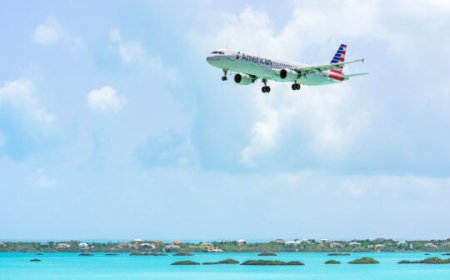
You cannot accidentally end up on Statia. The journey requires deliberate intention and multiple decisions where turning back seems reasonable. First, fly to St. Maarten is already a commitment for most travelers. Then locate the Winair counter and board a 19-seat prop plane that will spend the next 20 minutes bouncing through Caribbean thermals like a tennis ball in a clothes dryer.
These Twin Otter flights operate 2-3 times daily depending on demand, weather, and what feels like the pilot's mood. Tickets cost $150-250 USD round-trip. The views through scratched plexiglass windows are genuinely spectacular turquoise water, distant islands, clouds so close you could touch them. The turbulence is genuinely alarming if you're not accustomed to small aircraft physics. Your seatmate might be someone's grandmother transporting homemade hot sauce back to family, or a dive instructor returning from a supply run.
The runway measures 4,300 feet, carved into flat ground with ocean at one end and volcanic hills at the other. Landing feels like threading a needle while someone shakes the plane. First-time passengers grip armrests and make silent promises to the deity of choice. Regular commuters barely glance up from their phones.
No direct international flights serve Statia. No cruise ships dock; the island lacks a deep-water port, so the occasional ship that does visit must tender passengers to shore in small boats, a process so inconvenient that most cruise lines skip it entirely. This multi-layered access difficulty functions as perfect tourist filtration. People who need direct flights and guaranteed convenience never make it past the planning stage.
Six Dollars Buys A Volcano
The Quill dominates southern Statia, a dormant volcano rising 1,968 feet above sea level with a crater dropping 900 feet deep. The national parks foundation STENAPA charges six dollars for day trail access. Six dollars. That's less than mediocre airport coffee for access to one of the Caribbean's most dramatic hikes, where you'll encounter maybe three other humans all morning, sometimes zero.
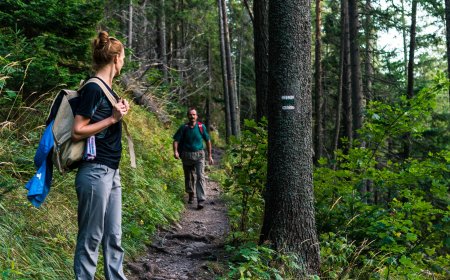
The main trail climbs steadily through the landscape that transforms as you ascend. Start in dry scrubland cacti, low bushes, exposed volcanic rock. Fifteen minutes up, vegetation thickens. Thirty minutes in, you're under the canopy, temperature drops noticeably, and humidity climbs. Tree roots create natural steps. Exposed rocks require watching your footing. The ecosystem shift happens so gradually you don't notice until you're suddenly in the rainforest.
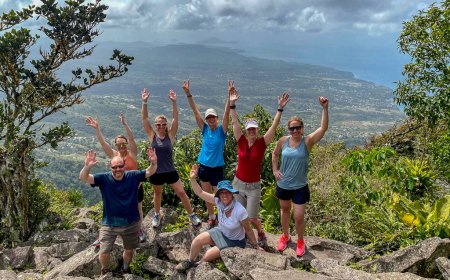
Forty-five minutes of honest climbing delivers you to the crater rim. The view justifies every drop of sweat: St. Kitts visible across blue water, the crater's lush interior spreading below, and an island small enough to see from coast to coast. On clear days most days the panorama extends to neighboring islands dotting the horizon like scattered puzzle pieces.
Most hikers stop at the rim. The serious ones continue into the crater itself, a descent requiring ropes and chains bolted into steep volcanic rock. This isn't technical climbing, but it's not a nature walk either. The scramble down drops you into the crater floor's bizarre microclimate giant ferns, mahogany trees reaching toward limited light, strange silence broken only by bird calls echoing off crater walls. It feels like discovering Jurassic Park, assuming Jurassic Park was managed by extremely conscientious Dutch nature conservationists.
Practical matters: bring two liters of water per person minimum. Starting early before Caribbean heat peaks at 6 AM isn't too early. Wear actual hiking boots with ankle support; those trendy minimalist sneakers will leave you sliding down volcanic soil like a cartoon character. Tell someone where you're going because cell service on the trail is nonexistent. These aren't paranoid precautions; this is basic backcountry safety on an island where "search and rescue" means a handful of volunteers with good intentions.
Underwater Time Capsules
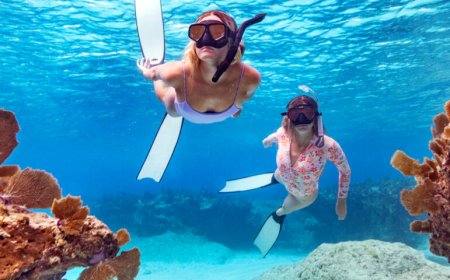
Statia's real magic happens below the waterline. The island's surrounding waters contain some of the Caribbean's healthiest reef systems and dozens of historical shipwrecks preserved in near-perfect conditions. Limited coastal development means minimal pollution and runoff. Small population means the ocean stays genuinely clean. Protected marine park status prevents destructive fishing practices. The result: diving that rivals anywhere in the Caribbean region, without the crowds that degrade other famous sites.
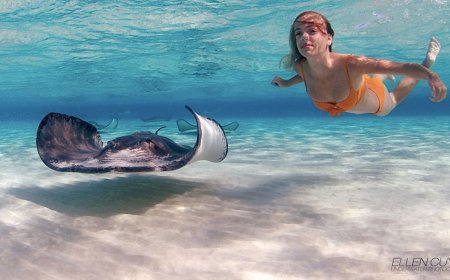
Charlie Brown, a coral-covered pinnacle rises from 100 feet depth to 30 feet below the surface, absolutely swarming with marine life. Fish schools are so dense they create moving shadows underwater. Barracuda patrol the perimeter. Eagle rays glide past like underwater birds. Sea turtles cruise through barely acknowledging divers because they encounter humans maybe twice weekly instead of twice hourly.
The Chien Tong, a Chinese trading ship that sank in 1919, rests intact at 100 feet. Unlike many wrecks that collapse into rubble within decades, this ship maintains recognizable structure. You can identify where cargo was stored, see intact portholes, understand how the vessel functioned. Swimming through holds where tea and porcelain once sat creates an eerie connection to maritime history.
But the archaeological crown jewel sits shallower: Double Wreck preserves two 18th-century merchant vessels in just 50 feet of water. These ships sank when Statia functioned as the Caribbean's busiest trading port, moving more commercial goods than New York City. Now they rest as coral-encrusted time capsules. Cannons lie scattered across the sandy bottom. Anchors rest exactly where they fell 250 years ago. Ballast stones mark hull outlines. Swimming over these wrecks feels like floating through history.
Three dive operators service the island Scubaqua, Golden Rock Dive Center, and Dive Statia. All maintain small groups capped at 6-8 divers maximum. Two-tank morning dives run $100-110 USD. Visibility averages 80-100 feet on calm days. Water temperature hovers around 80°F year-round. You might be the only dive boat at a site. On random Tuesday mornings in shoulder season, you absolutely will be.
Compare this reality to Cozumel, where 40 divers queue up waiting turns to enter the same popular site. Or Grand Cayman, where cruise ships dump hundreds of snorkelers onto reefs like someone emptying buckets of tourists into the ocean. Statia's diving exists in a parallel universe, quiet, pristine, blissfully ignored by the masses who chase Instagram-famous locations.
Where You'll Sleep (Adjust Expectations Accordingly)
Statia offers perhaps 10-15 total lodging options. Zero international hotel chains. No resorts. No properties advertising "luxury spa experience" or "championship golf course access" because neither exists within 100 miles.
Accommodation breaks into small guesthouses with 5-10 rooms, vacation rental houses and apartments, and a handful of modest hotels where the owner lives on property and knows your breakfast preferences by day three. Expect clean rooms with functioning air conditioning, reliable WiFi (usually), hot water (always), and genuinely personal service. Don't expect 24-hour concierge, infinity pools, or turndown service with chocolate on your pillow.
Prices run $80-150 USD nightly for guesthouses. Vacation rentals cost $100-300 USD depending on size and location. Weekly rates make considerably more sense than nightly if you're staying longer than a few days. The Old Gin House offers the closest approximation of upscale a renovated historic property with actual character and decent amenities. Kings Well Resort provides self-catering apartments popular with divers who want kitchens and don't care about fancy lobbies. Statia Lodge delivers no-frills budget rooms for people spending 10 hours daily underwater anyway.
Book well ahead for December through April high season. Last-minute availability exists May through November but severely limits choices. Most properties don't include meals, which becomes relevant because...
Dining Requires Strategy
Fewer than ten restaurants operate on the island. Most close one full day weekly, occasionally without advance warning. Dinner reservations aren't pretentious formality here, they're logistical necessity because kitchens genuinely run out of daily specials.
Ocean View Terrace serves fresh-caught seafood with views justifying the establishment's straightforward name. Smoke Alley Bar & Grill does burgers, ribs, and local dishes with cold beer. Chinese Bar & Restaurant operating for multiple decades offers exactly what the name promises. Cool Corner provides traditional Caribbean food at prices locals actually pay, not inflated tourist rates.
Several bakeries and small cafes handle breakfast and lunch in Oranjestad, the capital settlement. But here's operational reality: grocery stores stock basics with prices running 30-50% higher than the U.S. mainland because literally everything arrives by cargo boat. Fresh produce appears when supply boats appear; schedules exist more as suggestions than guarantees. That specific cheese you wanted? Maybe next week. Maybe not.
Smart visitors cook some meals at their accommodations. The morning fish market sells whatever local fishermen caught overnight snapper, mahi-mahi, tuna, wahoo, whatever came up in nets or on hand lines. Small vegetable stands pop up sporadically. Bring specialty items from home if you maintain specific dietary requirements or genuinely cannot survive without particular snacks.
This isn't hardship. This is simply how 3,200 people live on a small island without Amazon Prime or Whole Foods delivery. Adjust expectations accordingly and the experience becomes part of the adventure rather than inconvenience.
Who Should Actually Come Here
Statia rewards specific traveler personalities while actively frustrating others. Understanding which category you occupy prevents expensive disappointment.
You'll genuinely love Statia if you're: a diver chasing pristine reefs and historical wrecks, a hiker wanting volcano trails without selfie-stick crowds, a history enthusiast fascinated by colonial Caribbean trade networks, someone deliberately avoiding tourist infrastructure, a person who finds "rustic" charming rather than alarming, anyone authentically seeking isolation and quiet.
You'll genuinely hate Statia if you're: a beach resort devotee expecting powdery sand and calm swimming, someone needing extensive dining options and evening entertainment, a traveler requiring guaranteed high-speed connectivity, anyone uncomfortable with basic amenities and occasional inconvenience, families needing structured kid-friendly activities, people fundamentally allergic to flexibility and patience.
The island won't change to accommodate your preferences. You adapt to the island's reality, or you choose somewhere else. It's that simple.
Tobago: Where Off-Grid Meets Actually Comfortable
The Anti-Trinidad
Tobago forms the smaller half of twin-island nation Trinidad and Tobago, sitting 26 miles long and 7.5 miles wide in the southern Caribbean, just northeast of Venezuela. While Trinidad handles urban energy, Carnival madness, and industrial development, Tobago delivers beaches, rainforest, and genuinely laid-back island rhythm. Population approximately 62,000. Real infrastructure that mostly works. Actual accommodation options spanning budget to luxury.
The Main Ridge runs northeast to southwest along the island's spine, the world's oldest legally protected forest reserve, established in 1776 by the British colonial administration concerned about watershed protection. This wasn't a recent eco-tourism marketing spin. Colonists figured out 250 years ago that protecting forests mattered for water supply and climate stability. The forest has remained off-limits to development ever since, creating pristine rainforest that makes modern environmentalists weep with gratitude.
Getting Here Without Drama
Unlike Statia's logistical obstacle course, reaching Tobago involves significantly less drama. A.N.R. Robinson International Airport receives direct international flights from New York, Miami, Toronto, and London during the peak winter season. Flight time runs 5-6 hours from the U.S. East Coast comparable to flying to California.
Caribbean Airlines operates 10-15 daily flights connecting Trinidad's Piarco International Airport to Tobago in just 25 minutes. Tickets cost $60-120 USD round-trip depending on booking timing. Fast ferry service also exists, taking 2.5-3 hours and costing $25-40 USD each way if you prefer boats and don't mind longer travel time.
Car rental available at airports from recognizable international agencies Hertz, Budget, local equivalents. Cost runs $40-70 USD daily for standard vehicles. Roads reach everywhere. Electricity stays on reliably. Internet functions consistently. Water flows from taps. These basic infrastructure elements work properly, which matters enormously if you need to stay somewhat connected while still escaping mainstream tourist circuits.
Rainforest Older Than Nations
The Main Ridge Forest Reserve protects 3,958 acres of primary rainforest "primary" meaning largely undisturbed by human activity. Trees grow to absurd heights competing for canopy access. The forest floor stays dim even at midday because the canopy blocks so much sunlight. Humidity hits like walking into a steam room. Rainfall occurs frequently because, well, it's called rainforest for legitimate meteorological reasons.
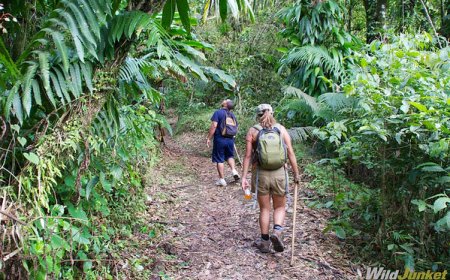
Gilpin Trace, the most popular trail, requires 2-3 hours round-trip through increasingly dense jungle. Guides are mandatory, not optional, costing $40-60 USD per person. This requirement makes absolute sense once you're on trail: paths aren't always obvious, getting genuinely lost remains possible, and guides spot wildlife you'd walk directly past while staring at your feet avoiding roots.
Two hundred sixty bird species inhabit this forest, including the white-tailed sabrewing hummingbird found literally nowhere else on planet Earth. Rufous-vented chachalacas call from high branches. Blue-backed manakins perform their bizarre courtship dance. Serious birders travel internationally specifically for this forest's endemic species.
Hike early 6 to 9 AM provides peak wildlife activity before heat peaks and many species retreat to shade. Bring waterproof boots because trails turn muddy after rainfall, which happens regularly. Roots create constant tripping hazards. Branches hang low requiring ducking. This isn't Disneyland nature walk with handrails and paved paths. This is actual rainforest requiring actual physical capability.
Beaches That Actually Deliver
Tobago crushes Statia in beach quality and variety. Over a dozen legitimate beaches circle the island, ranging from tourist-developed to properly remote.
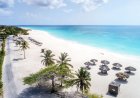
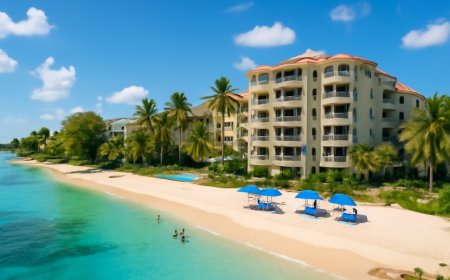
Pigeon Point delivers postcard perfection white sand, calm turquoise water, palm trees at dramatic angles. Facilities include restaurant, bar, changing rooms, and beach chair rentals. Entrance fee is just $5 USD. Gets crowded when cruise ships visit but empties out other times. Water sports available for people who need jet skis and paddle boards.
Store Bay sits adjacent to Pigeon Point but operates on a completely different frequency free public beach with local food stalls serving phenomenal Tobagonian specialties. Miss Trim's stall has occupied the same spot for decades serving crab and dumplings, curry crab, provisions and saltfish. The beach lacks polish but delivers genuine authenticity. Locals actually swim here instead of just working here serving tourists.
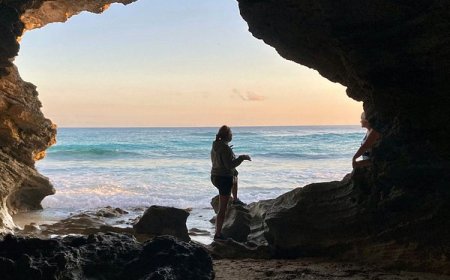
Englishman's Bay on the dramatic north coast requires navigating winding mountain roads but rewards with pristine sand, jungle-covered mountain backdrop, and often complete solitude. Facilities limited to one small restaurant. No jet skis. No crowds. No soundtrack except waves and wind.
Castara Bay combines a working fishing village with a swimming beach, local life and tourist activity mixing naturally. The morning fish market happens when boats return with overnight catches. Small guesthouses and casual restaurants line the bay. This represents real life, not resort theater performed for visitors.
Western Caribbean coast offers calm water and easy swimming conditions. The Eastern Atlantic coast features rougher surf and stronger currents requiring caution or complete avoidance. No lifeguards patrol most beaches. Personal responsibility and common sense replace corporate liability protection.
Why These Islands Matter In 2026
The Caribbean drowns in sameness. Every island promises "authentic local experience" while delivering virtually identical resort compounds. Same swim-up bars. Same international buffets. Same organized excursions to the same attractions. Different islands blur into one expensive, air-conditioned, all-inclusive haze where you could be anywhere because everywhere feels like nowhere specific.
St. Eustatius and Tobago actively reject this formula through completely different approaches. Statia does it through extreme limitations so physically small, so deliberately remote, so fundamentally undeveloped that mass tourism literally cannot happen even if they wanted it. Tobago does it through balanced development and sufficient infrastructure for genuine comfort without destroying the underlying character that makes the place worth visiting.
Both islands force engagement with actual places rather than processed tourism fantasy. You cannot sleepwalk through either destination. Statia demands adaptability, patience, and willingness to embrace occasional inconvenience as part of experience. Tobago requires venturing beyond resort zones and engaging with villages, forests, and local communities functioning independent of tourist presence.
The reward: experiencing islands as places where real people conduct real lives, not theme parks optimized for cruise ship passenger throughput. Swimming reefs untrampled by daily snorkeler stampedes. Hiking trails without Instagram influencer crowds staging photos. Drinking rum with locals in bars where you're the only tourist, perhaps the only tourist that week. Actually disconnecting because infrastructure limitations make disconnection automatic rather than requiring willpower.
Book the complicated flights. Board the tiny plane. Rent the car and drive the winding roads. Go now, before everyone else figures it out.
What's Your Reaction?
 Like
0
Like
0
 Dislike
0
Dislike
0
 Love
0
Love
0
 Funny
0
Funny
0
 Angry
0
Angry
0
 Sad
0
Sad
0
 Wow
0
Wow
0