








Best Caribbean Islands for Nature Lovers: St. Lucia's Pitons and Beyond
The Caribbean offers more than postcard beaches and resort life. For travellers who want to explore rainforests, volcanic peaks, and wildlife-rich ecosystems, several islands deliver exceptional natural experiences. Here's what you need to know about the top destinations.
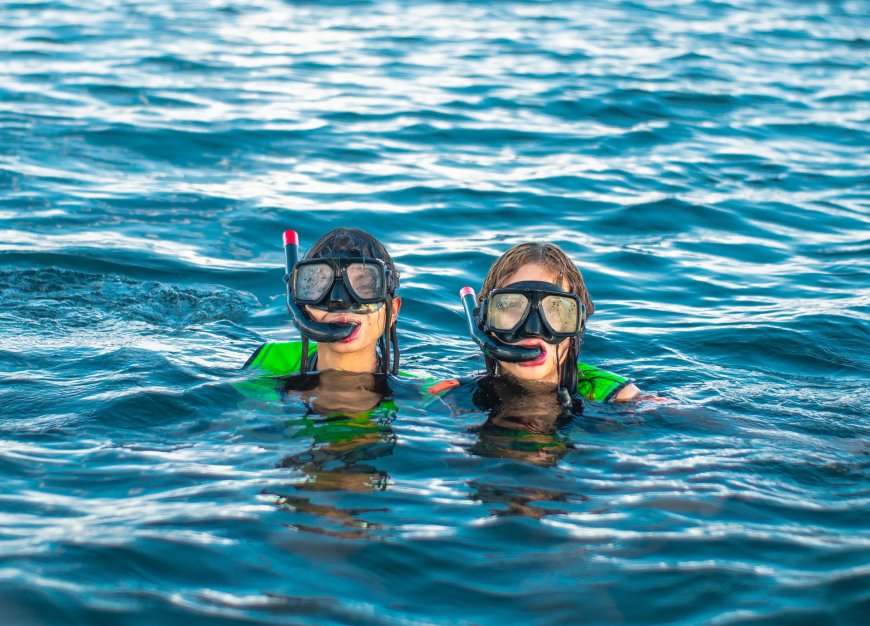
St. Lucia: The Volcanic Powerhouse

1.The Pitons St. Lucia's twin peaks Gros Piton (2,619 feet) and Petit Piton (2,461 feet) are UNESCO World Heritage sites that dominate the southwestern coast. These volcanic plugs formed over 200,000 years ago and now attract hikers from around the world.
Gros Piton takes about 4 hours to summit with a mandatory guide. The trail gets steep, but you don't need technical climbing skills. Petit Piton is harder and requires permission to climb. The surrounding area includes 2,909 acres of marine reserve where you can snorkel among coral reefs and spot sea turtles.
2.Sulphur Springs and Diamond Falls The world's only drive-in volcano sits near Soufrière. You can walk through the caldera and see bubbling mud pools reaching 170°F. The hydrogen sulphide smell hits you immediately. It's strong but part of the experience.
Diamond Falls Botanical Gardens showcases mineral-rich waterfalls that change color based on mineral content. The water flows through volcanic rock deposits, creating streaks of yellow, purple, and green. The gardens hold over 2,000 plant species including heliconia and hibiscus varieties.
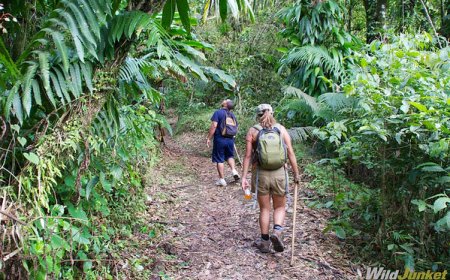
3.Rainforest Trails The Edmund Forest Reserve covers 3,442 acres of montane rainforest. The Des Cartiers Rainforest Trail runs 2 miles through the interior where you might see the endangered St. Lucia parrot only about 2,000 remain in the wild. Other trails lead to waterfalls including Toraille Falls (50 feet) and Enbas Saut Falls (35 feet).
Dominica: The Nature Island
1.Why the Nickname Fits Dominica has 365 rivers, the highest concentration of waterfalls per square mile in the world, and 60% forest coverage. The island gets 200-300 inches of rain annually in the interior, creating lush conditions that have kept developers away.
2.Boiling Lake This flooded fumarole ranks as the world's second-largest boiling lake at 200 feet wide. The 6-mile hike through Morne Trois Pitons National Park takes 5-6 hours round trip. You'll pass through the Valley of Desolation where volcanic vents release sulphur gas and steam. The lake's
temperature ranges from 180-197°F at the edges.
The hike is legitimately tough. Expect muddy sections, rope-assisted climbs, and river crossings. Guides are required and cost around $50-80 per person.
3.Whale Watching Sperm whales live year-round in the waters off Dominica's west coast. The continental shelf drops to 3,000 feet within a mile of shore, creating deep-water habitat close to land. You have an 85-90% chance of spotting whales between November and March, with lower odds in summer.
Operators run 3-hour tours for $70-90. You might also see pilot whales, spinner dolphins, or melon-headed whales.
4.Waterfalls Trafalgar Falls gives you two waterfalls in one location; the higher cascade drops 125 feet. Victoria Falls requires a 3-hour hike but rewards you with a 165-foot drop in a remote setting. Middleham Falls plunges 200 feet and sits deep in the rainforest with a natural pool for swimming.
Trinidad and Tobago: The Birder's Paradise
1.Species Count Trinidad and Tobago holds 483 recorded bird species despite being only 1,864 square miles combined. The islands sit just 7 miles from Venezuela, allowing South American species to reach the Caribbean.
2.Asa Wright Nature Centre This 1,500-acre reserve in Trinidad's Northern Range operates as a research station and lodge. The veranda overlooks a valley where you can watch birds from your chair white-bearded manakins perform mating dances on established courts just 20 feet away.
Guided walks through the property reveal hummingbird species including the tufted coquette (one of the world's smallest birds at 2.5 inches). The rare oilbird nests in Dunston Cave on the property. These nocturnal fruit-eaters use echolocation to navigate; they're the only nocturnal fruit-eating bird species in the world.
3.Caroni Swamp The 12,000-acre mangrove wetland hosts Trinidad's national bird, the scarlet ibis. Evening boat tours ($25-30) take you through narrow channels as thousands of scarlet ibis return to roost around 5:30-6 PM. The birds arrive in waves, turning entire trees bright red.
4.Leatherback Turtles Matura Beach and Grande Riviere on Trinidad's north coast see 500-600 leatherback turtles nesting per night during peak season (April-May). These are the largest sea turtles, weighing up to 2,000 pounds with 6-foot shells. Guided night tours ($20-30) let you watch from a safe distance as females dig nests and lay eggs.
Bonaire: Underwater Nature Reserve
1.The Entire Coastline Bonaire protected its entire shoreline as a marine park in 1979 one of the first Caribbean islands to do so. The park includes waters from the high tide line to 200 feet depth around the entire island.
2.Shore Diving Bonaire offers 63 marked dive sites accessible from shore. You load your gear in a truck, drive to painted yellow rocks marking entry points, and walk into the water. No boats required for most dives.
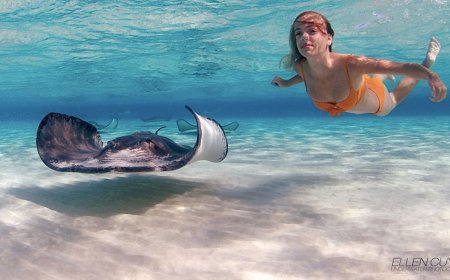
The house reef at many properties puts you on coral within 30 feet of the beach. Visibility averages 100 feet year-round. You'll see parrotfish, queen angelfish, spotted eagle rays, and Caribbean reef sharks on typical dives.
3.Klein Bonaire This uninhabited island sits 0.5 miles offshore with 26 dive sites around its perimeter. Water taxis run constantly from Kralendijk for $25-30 round trip. The eastern shore has less current and works well for beginners. The southern sites drop to walls at 30 feet.
4.Washington Slagbaai National Park The 13,500-acre park covers Bonaire's northwestern section with desert landscapes, secluded beaches, and bird colonies. Two driving routes 15 miles and 24 miles take 2-4 hours. You'll see flamingos in Goto Lake, yellow-shouldered Amazon parrots in the hills, and possibly sea turtles at Boka Chikitu beach.
Puerto Rico: Biodiversity in a U.S. Territory
1.El Yunque National Rainforest The only tropical rainforest in the U.S. National Forest System covers 29,000 acres. The park receives 200 inches of rain annually at higher elevations. Five forest types exist within the park based on elevation from tabonuco forest at sea level to dwarf forest at 3,500 feet where trees grow only 10-15 feet tall due to wind exposure.
La Mina Trail (0.7 miles) leads to a 35-foot waterfall with swimming. El Yunque Trail climbs 2.5 miles to the summit at 3,494 feet. The park hosts 240 tree species, 50 bird species, and 17 species found nowhere else including the Puerto Rican parrot.
2.Bioluminescent Bays Puerto Rico has three bio bays more than any other location. Mosquito Bay on Vieques ranks as the brightest in the world with 2 million dinoflagellates per gallon. These microscopic organisms emit blue-green light when disturbed.
Kayak tours ($40-60) work best on moonless nights. Every paddle stroke creates glowing swirls. Fish leave light trails. The effect looks artificial but comes entirely from living organisms.
3.Culebra and Vieques These island municipalities off Puerto Rico's east coast offer less development and more nature. Culebra's Flamenco Beach ranks among the world's best, but the island also has coral reefs, sea turtle nesting beaches, and the Culebra National Wildlife Refuge covering 1,568 acres.
Vieques has wild horses, secluded beaches, and the Vieques National Wildlife Refuge encompassing 18,000 acres nearly two-thirds of the island. The former military land now protects beaches, mangroves, and lagoons where you can kayak without seeing other people.
Saba: The Unspoiled Mountain
1.This 2,877-foot extinct volcano dominates the 5-square-mile island. The Mount Scenery trail climbs 1,064 steps (plus regular trail sections) through four distinct ecosystems. You start in dry tropical forest, move through tropical rainforest, then montane forest, and finish in elfin forest where clouds constantly blow through.
The hike takes 2-3 hours round trip. At the top, you might see nothing but clouds, or you might get views across multiple islands. The unpredictability adds to the experience.
2.Saba's waters became a marine park in 1987. The volcanic underwater topography creates pinnacles, walls, and caves. Third Encounter drops from 50 to 110 feet with pinnacles covered in sponges. Ladder Labyrinth features a tunnel system at 80-100 feet.
The island sees fewer than 30,000 visitors annually, so dive sites rarely feel crowded. Most diving happens on the leeward western and southern coasts where conditions stay calm.
Tobago Cays, St. Vincent and the Grenadines
1.The Protected Horseshoe Five uninhabited islands form a horseshoe around a shallow lagoon. The Tobago Cays Marine Park covers 1,400 acres with extensive coral reefs. The combination of calm water, white sand, and sea turtles creates exceptional snorkeling.
Day tours from Union Island or Mayreau ($80-120) include stops at multiple islands. Green sea turtles and hawksbill turtles feed on seagrass in the shallows you can see them from the boat before entering the water.
2.No Development The islands have no buildings, no people, no infrastructure. Sailboats anchor in the lagoon, visitors snorkel and swim, then everyone leaves. This protection keeps the environment pristine but means you need to bring everything with you.
Practical Considerations for Nature Travel
1.Best Timing Dry season (December-April) offers better hiking conditions with less mud and fewer mosquitoes. However, waterfalls flow heavier during the rainy season (June-November). Hurricane season runs June through November with peak risk in August-September.
2.Guide Requirements Several locations require guides: St. Lucia's Pitons, Dominica's Boiling Lake, and some trails in protected areas. This protects both visitors and ecosystems. Guides cost $40-100 depending on location and trip length.
3.Fitness Levels: Be honest about your abilities. The Boiling Lake hike in Dominica challenges even fit hikers. Gros Piton requires steady climbing but no technical skills. Shore diving in Bonaire needs basic swimming and diving certification but minimal physical exertion.
4.Environmental Fees Most protected areas charge entry or conservation fees. Bonaire's marine park costs $45 annually for unlimited diving. El Yunque charges $8 per person (some days). These fees fund conservation work and maintenance.
5.Equipment Needs To Bring reef-safe sunscreen many Caribbean destinations ban chemicals that harm coral. Quick-dry clothing helps in humid conditions. Water shoes protect feet on rocky beaches and river crossings. Waterproof phone cases let you photograph waterfalls safely.
The Caribbean's natural diversity goes far beyond what most visitors experience. These islands offer legitimate wilderness, rare wildlife, and ecosystems you won't find anywhere else. Pick your target based on what interests you most volcanoes, diving, birds, or rainforests and you'll discover a different side of the Caribbean.
What's Your Reaction?
 Like
0
Like
0
 Dislike
0
Dislike
0
 Love
0
Love
0
 Funny
0
Funny
0
 Angry
0
Angry
0
 Sad
0
Sad
0
 Wow
0
Wow
0