


























New Collaborations in Tourism: Puerto Rico, Jamaica, and Antigua
Caribbean islands traditionally compete for the same tourist dollars, marketing themselves as individual destinations. Recent shifts in strategy show three major players Puerto Rico, Jamaica, and Antigua moving toward collaborative approaches that benefit all parties while expanding the region's overall tourism appeal.

Understanding Caribbean Tourism Collaboration

Tourism represents the economic backbone for these islands. Jamaica generated $3.7 billion from tourism in 2023, while Puerto Rico welcomed 8.9 million visitors contributing $8.2 billion to the economy. Antigua recorded 1.1 million visitors in 2023, with tourism accounting for 60% of GDP.
The Case for Collaboration
Travelers increasingly seek multi-destination experiences rather than single-island vacations. The rise of remote work and extended stays creates opportunities for islands to package complementary experiences. Collaborative marketing reduces individual promotional costs while reaching broader audiences.
Climate change and hurricane preparedness require coordinated responses. Islands sharing resources, knowledge, and infrastructure create more resilient tourism sectors capable of rapid recovery after natural disasters.
Puerto Rico's Regional Leadership Role
Economic Position and Infrastructure
Puerto Rico operates with advantages other Caribbean islands lack. As a US territory, American visitors need no passports and use familiar currency. The island maintains two international airports Luis Muñoz Marín in San Juan and Rafael Hernández in Aguadilla with direct flights from 30+ US cities.
The cruise port in San Juan handles 1.5 million passengers annually, ranking among the Caribbean's busiest terminals. This infrastructure positions Puerto Rico as a natural hub for multi-island tourism packages.
Recent Collaborative Initiatives
Puerto Rico Tourism Company launched the "Caribbean Gateway" program in late 2024, promoting the island as a starting point for Eastern Caribbean exploration. The initiative partners with inter-island airlines and ferry services to create seamless connections.
The program offers discounted airfare packages for travelers visiting Puerto Rico plus two additional Caribbean islands within a 14-day period. Airlines including Cape Air, Silver Airways, and Seaborne Airlines participate, connecting San Juan to 15 Caribbean destinations.
Marketing Partnerships
Puerto Rico entered a joint marketing agreement with the Caribbean Tourism Organization in 2024, contributing $2 million toward regional promotion. This represents a shift from previous competitive positioning to collaborative regional growth strategies.
The tourism board coordinates with Jamaica and Antigua on digital marketing campaigns targeting European travelers, who typically take longer Caribbean vacations than American visitors. The campaigns emphasize cultural diversity across islands rather than individual destination superiority.
Tourism Infrastructure Development
Jamaica welcomed 4.1 million visitors in 2023, including 2.7 million cruise passengers and 1.4 million stopover visitors. The government invested $150 million in airport improvements at Sangster International (Montego Bay) and Norman Manley International (Kingston) between 2022-2024.
The cruise ports in Ocho Rios, Montego Bay, and Falmouth underwent expansions totaling $75 million, increasing capacity by 30%. These improvements support Jamaica's role as both a destination and transit point for multi-island itineraries.
Inter-Island Connectivity Programs
Jamaica Tourist Board partnered with Caribbean Airlines in 2024 to create the "Island Hopper Pass," allowing travelers to visit Jamaica, Antigua, and Trinidad within 30 days at reduced fares. The pass costs $599 for economy class travel between the three islands, representing 40% savings versus individual ticket purchases.
The program recorded 12,000 users in its first six months, exceeding projections by 50%. Participants spent an average of $2,400 per person across the three destinations, demonstrating that multi-island travelers generate higher overall revenue than single-destination visitors.
Collaborative Tourism Products
Jamaica partnered with Antigua to create the "Reggae and Calypso Experience," a cultural tourism package combining Jamaica's music heritage with Antigua's Carnival celebrations. The 10-day package includes accommodations, inter-island flights, concert tickets, and cultural tours for $2,800-$4,500 per person.
Tour operators in both countries coordinate to ensure seamless experiences. Jamaican operators handle the first five days, then transfer guests to Antiguan partners for the remainder. The collaboration launched in December 2024 with 500 bookings for the first quarter of 2025.
Joint Marketing to New Markets
Jamaica and Puerto Rico formed a marketing consortium targeting Asian travelers, particularly from China and India. The two-year initiative budgets $5 million for digital advertising, trade shows, and influencer campaigns in these emerging markets.
The campaign emphasizes Caribbean accessibility via US gateway cities, addressing concerns about complex travel logistics. Marketing materials present the Caribbean as a unified region with diverse island experiences rather than competing individual destinations.
Antigua's Partnership Positioning
Niche Market Development
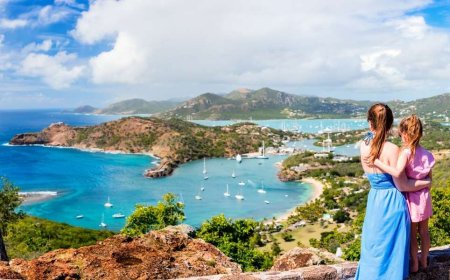
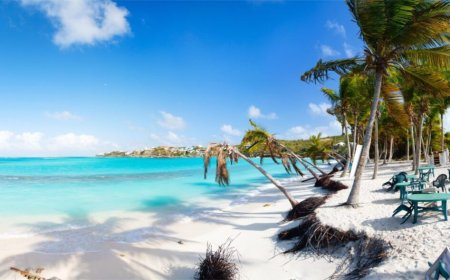
Antigua positions itself as the luxury and sailing capital of the Eastern Caribbean. The island's 365 beaches (one for each day of the year, according to promotional materials) and consistent trade winds attract upscale travelers and yachting enthusiasts.
Tourism Minister Charles Fernandez announced in September 2024 that Antigua would focus on collaborative programs with islands offering complementary rather than competing experiences. This strategy acknowledges that Antigua cannot match Jamaica's scale or Puerto Rico's infrastructure but can excel in specific tourism niches.
Yachting and Marine Tourism Collaboration
Antigua partnered with Puerto Rico in 2024 to create the "Caribbean Marine Circuit," a coordinated yachting route connecting San Juan, Vieques, Culebra, St. Martin, and Antigua. The program provides standardized clearance procedures, coordinated mooring facilities, and joint marketing to yacht charter companies.
The marine circuit attracted 2,500 vessels in its first season (November 2024-April 2025), generating $18 million in economic impact across participating islands. Yachters spend an average of $300-$500 daily on provisions, dining, and entertainment in each port.
Luxury Travel Partnerships
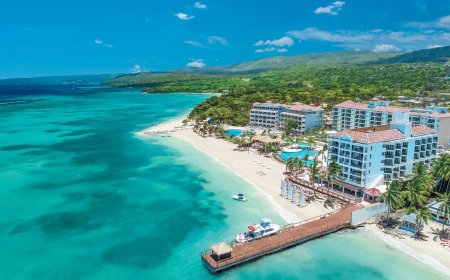
Antigua's tourism authority collaborated with Jamaica's Sandals Resorts and Puerto Rico's Dorado Beach Resort to create the "Three Islands Luxury Experience." The package allows guests to split stays between properties on different islands at reduced rates.
Participants book a minimum 10-night stay divided across the three resorts, with inter-island transfers included. Pricing starts at $8,500 per couple for the base package, reaching $25,000+ for premium suites and services. The program launched in January 2025 with strong initial booking numbers from US East Coast markets.
Cultural Exchange Programs
Antigua partnered with Jamaica's tourism board to develop chef exchange programs between the islands. Jamaican chefs work short-term positions at Antiguan resorts, while Antiguan culinary professionals spend time in Jamaican establishments.
The exchange creates menu innovations blending jerk seasoning traditions with Antiguan seafood preparations. Participating restaurants report 15-20% increases in dining revenue, as guests seek unique fusion dishes unavailable elsewhere in the Caribbean.
Airline and Transportation Partnerships
New Route Development
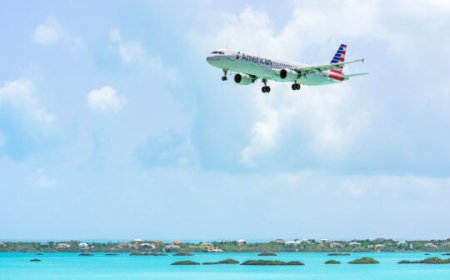
Caribbean Airlines announced in October 2024 that it would add three weekly flights connecting San Juan, Montego Bay, and Antigua in a triangular route. The service allows travelers to visit all three islands within a week without returning to US gateway cities.
The flights operate on Boeing 737-800 aircraft with 154 seats, targeting both tourists and business travelers. Introductory fares started at $299 for the complete triangle route, significantly undercutting previous connection options requiring stops in Miami or New York.
Ferry Service Expansion
Puerto Rico's ferry authority partnered with private operators to expand service to the US Virgin Islands and British Virgin Islands, creating connections to the broader Eastern Caribbean network. The high-speed ferries reduce travel time between San Juan and St. Thomas to 45 minutes, compared to 2-3 hours on traditional vessels.
This improvement positions Puerto Rico as a practical hub for island-hopping itineraries. Travelers can fly into San Juan, spend 2-3 days exploring Puerto Rico, then ferry to other islands without additional flights.
Airport Code-Share Agreements
Sangster International Airport in Jamaica signed agreements with San Juan's Luis Muñoz Marín allowing reciprocal frequent flyer benefits and simplified baggage transfer. Passengers on code-share flights check bags once in their origin city, with automatic transfer to final Caribbean destinations.
The agreement reduces connection time from 2-3 hours to 45-60 minutes, making multi-island trips more practical for travelers with limited vacation time. Implementation began in December 2024, with full rollout expected by March 2025.
Cruise Industry Collaborations
Multi-Port Itinerary Development
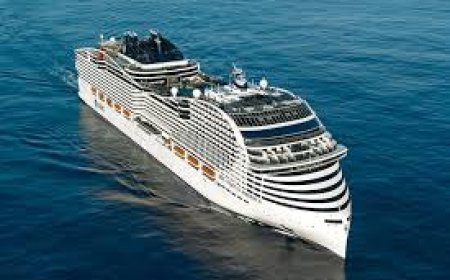
Major cruise lines including Royal Caribbean, Carnival, and Norwegian revised Eastern Caribbean routes to include all three islands on 7-10 day itineraries. These routes position Puerto Rico as the embarkation point, with stops in Jamaica and Antigua plus smaller islands.
The revised itineraries began sailing in November 2024, with 40+ cruises scheduled through April 2025. Each cruise carries 2,000-4,000 passengers, generating significant port revenue and shore excursion business across all three islands.
Shore Excursion Coordination
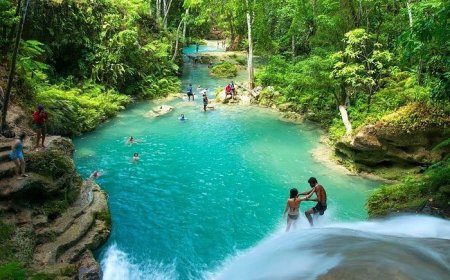
Tourism boards from the three islands collaborated with cruise lines to develop coordinated shore excursions preventing generic, repetitive experiences. Puerto Rico emphasizes historical and cultural tours through Old San Juan and El Yunque rainforest. Jamaica focuses on adventure activities including river rafting, zip-lining, and waterfall climbing. Antigua highlights beach experiences and water sports.
This specialization ensures passengers experience distinct offerings at each port rather than similar beach and shopping options. Post-cruise surveys show 35% higher satisfaction rates for the coordinated itineraries compared to traditional Eastern Caribbean routes.
Port Infrastructure Sharing
The three islands signed agreements to share port development costs and expertise. Jamaica's experience with large-ship accommodation informed upgrades at Antigua's St. John's port, while Puerto Rico's security protocols were adopted across participating ports.
Combined purchasing power reduced equipment costs by 20-30% for items like baggage scanners, passenger boarding systems, and port security infrastructure. The collaboration saved an estimated $15 million in capital expenditures across the three ports.
Digital Marketing and Technology Collaboration
Unified Booking Platform
The three tourism authorities launched "Caribbean Connect" in late 2024, a digital platform allowing travelers to book multi-island itineraries through a single interface. The platform integrates flights, hotels, attractions, and ground transportation across Puerto Rico, Jamaica, and Antigua.
Users select which islands to visit, preferred travel dates, and accommodation types. The platform generates complete itineraries with pricing, then books all components simultaneously. This approach eliminates the complexity of coordinating multiple bookings across different islands and vendors.
The platform processed 25,000 bookings worth $45 million in its first three months, demonstrating strong demand for simplified multi-island travel planning.
Social Media Collaboration
Tourism boards coordinate Instagram and TikTok campaigns featuring influencers visiting all three islands on single trips. The campaigns show how each island offers distinct experiences while maintaining Caribbean cultural connections.
A November 2024 campaign featuring travel influencer Kiersten Rich (@theblondeabroad, 890,000 Instagram followers) generated 12 million impressions and drove 150,000 clicks to booking platforms. The campaign cost $180,000 split across the three islands, significantly less than individual influencer campaigns would cost.
Data Sharing and Analytics
The three tourism authorities established a shared data platform tracking visitor patterns, spending habits, and satisfaction metrics. The anonymized data helps all participants understand cross-island travel behaviors and optimize marketing strategies.
Analysis revealed that travelers visiting multiple islands spend 60% more overall than single-island visitors and show 40% higher return visit rates. This data justified continued investment in multi-island promotion and product development.
Sustainable Tourism Initiatives
Environmental Protection Collaboration
Puerto Rico, Jamaica, and Antigua formed the "Caribbean Blue Alliance" in 2024, coordinating marine protection and sustainable tourism practices. The alliance shares research on coral reef restoration, sea turtle protection, and plastic reduction programs.
Member islands adopted common standards for eco-certified tour operators, creating consistency for environmentally conscious travelers. Tours meeting alliance standards display a unified certification mark recognized across all three islands.
Renewable Energy Projects
The three islands collaborate on renewable energy projects reducing tourism sector carbon footprints. Puerto Rico's expertise in solar power development supports similar initiatives in Jamaica and Antigua.
Antigua's VC Bird International Airport installed solar panels providing 30% of facility power, using technical specifications and contractors identified through Puerto Rico collaboration. The installation cost 15% less than anticipated due to shared procurement and project management.
Waste Management Coordination
Tourism generates significant waste requiring proper disposal and recycling. The three islands coordinate waste management strategies, sharing successful programs and technologies.
Jamaica's plastic bottle deposit program, launched in 2023, provided the model for similar initiatives in Antigua and Puerto Rico. The coordinated approach allows for regional recycling infrastructure serving all three islands, improving economics of scale.
Challenges and Obstacles
Political and Regulatory Differences
Puerto Rico operates under US federal law while Jamaica and Antigua maintain independent governance structures. These differences complicate coordination on issues like customs procedures, health regulations, and business licensing.
COVID-19 revealed these challenges when each island implemented different entry requirements and testing protocols. Travelers found the varying rules confusing and frustrating, deterring some multi-island trips. Current collaborations include efforts to harmonize health and safety standards.
Economic Disparities
Puerto Rico's larger economy and US territorial status create resource imbalances. The island can invest more in marketing and infrastructure than smaller partners. This disparity requires careful structuring of collaborative programs to ensure perceived fairness and mutual benefit.
Joint marketing initiatives use proportional cost-sharing formulas based on tourism revenue rather than equal splits. Puerto Rico typically contributes 50-60% of program costs, with Jamaica and Antigua covering the remainder.
Competition Concerns
Hotel associations and tour operators on each island sometimes oppose collaboration, fearing it dilutes their competitive advantages. Antigua's luxury resort sector initially resisted multi-island packages, concerned that travelers would spend fewer nights on the island.
Tourism authorities addressed these concerns by demonstrating that multi-island travelers generate higher overall spending and often return for extended single-island stays after sampling multiple destinations. Data showing increased total visitor nights gradually shifted industry opinion toward supporting collaboration.
Airline Capacity Constraints
Inter-island flights operate smaller aircraft with limited frequency. During peak seasons (December-April), flights fill quickly, creating bottlenecks for multi-island travel.
Airlines remain cautious about adding capacity without guaranteed demand. Tourism authorities work to provide booking data demonstrating consistent demand patterns that justify expanded service. Caribbean Airlines added the triangular route only after receiving commitments for 60% advance bookings on the first six months of service.
Economic Impact and Results
Revenue Growth
Preliminary data from the first six months of enhanced collaboration (July-December 2024) shows promising results. Multi-island travelers spent an average of $4,200 per trip compared to $2,800 for single-island visitors, a 50% increase.
Total tourism revenue across the three islands increased 8% in 2024 compared to 2023, with collaboration initiatives credited for 3-4% of that growth. The Caribbean Tourism Organization projects continued 5-7% annual growth if collaborative programs expand.
Employment Impact
The tourism sector employs 350,000 people across Puerto Rico, Jamaica, and Antigua. Collaborative programs created an estimated 5,000 new jobs in 2024, primarily in tour operations, transportation, and hospitality services supporting multi-island travelers.
Inter-island tour guides represent a new employment category, with professionals trained to work in multiple islands and coordinate experiences across destinations. This specialization commands premium wages 20-30% above traditional single-island guides.
Return Visitor Rates
Tracking data shows travelers who visit multiple Caribbean islands demonstrate 35% higher return rates than single-destination visitors. These repeat visitors spread trips across different islands rather than returning exclusively to their initial destination.
This pattern supports the collaborative approach, as it grows overall Caribbean tourism rather than simply redistributing existing visitors. Each island benefits from new and return visitors attracted by multi-island possibilities.
Future Expansion Plans
Additional Island Participation
The Bahamas, Dominican Republic, and St. Lucia expressed interest in joining collaborative programs during Caribbean Tourism Organization meetings in late 2024. Expansion discussions focus on maintaining program quality while increasing geographic coverage.
Tourism authorities plan gradual expansion, adding 1-2 islands every 12-18 months. This measured approach prevents overwhelming travelers with too many options while allowing refinement of operational procedures.
Themed Tourism Circuits
Future collaborations will develop themed circuits catering to specific interests. Proposed themes include:
Adventure Circuit: Combining Puerto Rico's rainforest experiences, Jamaica's waterfalls and river activities, and Antigua's water sports
Culinary Circuit: Featuring cooking classes and restaurant experiences highlighting each island's distinct cuisine
Music Heritage Circuit: Exploring reggae in Jamaica, bomba and plena in Puerto Rico, and calypso in Antigua
Wellness Circuit: Connecting luxury spas and wellness retreats across the three islands
Extended Stay Programs
Tourism boards plan programs specifically targeting remote workers and digital nomads. These extended stay packages (30-90 days) allow participants to live and work across multiple islands, experiencing deeper cultural immersion.
Pricing structures accommodate longer stays with reduced per-night rates. Infrastructure requirements include reliable high-speed internet and co-working spaces, which all three islands are developing.
Educational Tourism
Universities and study-abroad programs show interest in multi-island educational tourism. Proposed programs allow students to study Caribbean history, ecology, or culture while moving between islands for hands-on learning experiences.
The University of Puerto Rico, University of the West Indies (Jamaica campus), and Antigua State College initiated discussions about collaborative semester programs beginning in academic year 2025-2026.
Best Practices for Travelers
Planning Multi-Island Trips
Book 3-6 months ahead for peak season travel (December-April). Multi-island itineraries require more coordination than single-destination trips, and popular dates fill early.
Allow 3-4 days per island minimum for meaningful experiences. Rushing through islands in 1-2 days each creates exhausting schedules that diminish enjoyment. A 10-12 day trip visiting three islands provides balance between variety and depth.
Packing Strategies
Pack light, as inter-island flights impose stricter baggage limits than international flights. Most regional carriers allow one checked bag (50 pounds) and one carry-on. Excess baggage fees run $50-$100 per additional bag per flight.
Consider laundry services at mid-trip points rather than packing clothing for the entire journey. Most hotels offer same-day or next-day laundry service at reasonable rates.
Budget Considerations
Multi-island trips cost 20-30% more than single-island vacations of comparable length due to additional flights and varied accommodation costs. Budget $250-$400 per person per day for moderate travel styles, including inter-island transportation.
All-inclusive resorts offer poor value for multi-island travelers who spend limited time at each property. Independent hotels or vacation rentals provide more flexibility for the varied schedules multi-island itineraries require.
Cultural Awareness
Each island maintains distinct cultural norms despite Caribbean similarities. Puerto Rico's Spanish language and US influences differ significantly from Jamaica's English-speaking culture with British colonial heritage and Antigua's similar but distinct traditions.
Learn basic cultural courtesies for each destination. What's considered friendly in one island may seem inappropriate in another. Local tourism offices provide cultural orientation materials helping visitors navigate these differences.
Collaboration between Puerto Rico, Jamaica, and Antigua represents a fundamental shift in Caribbean tourism strategy. Rather than competing for the same travelers, these islands recognize that cooperative approaches expand the overall market while playing to each destination's strengths.
Early results demonstrate the viability of multi-island tourism products. Travelers show strong interest in experiencing Caribbean diversity within single trips, and they spend significantly more than single-island visitors.
Challenges remain, particularly around regulatory harmonization and maintaining service quality across different islands and vendors. However, the economic incentives for collaboration outweigh obstacles, suggesting continued expansion and refinement of these programs.
For travelers, these collaborations create unprecedented access to Caribbean experiences. The region's diversity from Puerto Rico's Spanish colonial history to Jamaica's vibrant music culture to Antigua's pristine beaches becomes accessible through simplified planning and booking processes.
The success of Puerto Rico-Jamaica-Antigua collaboration will likely inspire similar partnerships across the Caribbean, potentially transforming how travelers experience the entire region in coming years.
What's Your Reaction?
 Like
0
Like
0
 Dislike
0
Dislike
0
 Love
0
Love
0
 Funny
0
Funny
0
 Angry
0
Angry
0
 Sad
0
Sad
0
 Wow
0
Wow
0