






















Budget Travel Hacks: Sailing the Virgin Islands Affordably
Sailing the Virgin Islands on a budget is entirely possible with smart planning and flexible choices. Travelers can save by sailing during the shoulder season (May–June or September–November), booking smaller or shared charters, and self-catering meals instead of dining out daily. Using public ferries, free anchorages, and group-sharing yachts significantly reduces costs.

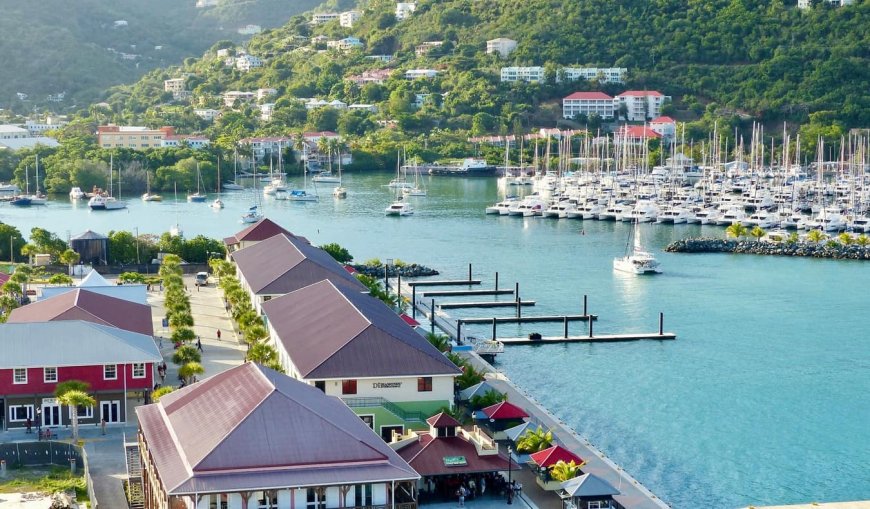
If your dream is to sail the British Virgin Islands (BVI) or the broader Virgin Islands region on a tighter budget, you can absolutely do it and do it well. Below is a point-by-point, up-to-date guide with practical, realistic details to help you stretch your sailing dollar (or euro) while still enjoying the islands, sea, and sun.

1. Clarify your concept: “Sailing the Virgin Islands” on a budget means…
Opting for fewer premium add-ons (skip big yacht charters unless you split costs).
Using local transport / shared transfers rather than private luxury.
Staying in simpler lodging or on board instead of high-end resorts every night.
Cooking more on board or self-catering rather than eating out for every meal.
Traveling during shoulder or low season, being flexible on dates and itinerary.
Understanding that “budget” doesn’t mean compromising safety or experience just being smarter about choices.
2. Focus on the right time to go & booking strategy
The high season in the Virgin Islands runs roughly December through April. Charter rates, accommodation and ferry/boat transfers are highest then.
The shoulder or low season (for example May-June, September-November) offers significantly better deals.
For sailing charters: many charter companies recommend booking 6 months ahead for low season, and up to 9–12 months ahead for high season.
Being flexible on exact dates, yacht size or start location allows you to snag off-peak rates or “fill-in” discounts (when a boat has open days).
Hack: Accept a mid-week start or a slightly smaller yacht and you may save hundreds or thousands of dollars.
3. Choosing your sailing platform: charter, skippered, bareboat or shared
Bareboat charter: You rent and operate the yacht yourself (you need sailing experience and licences / qualifications). This removes skipper cost but adds responsibility and risk.
Skippered charter: You hire a skipper, share costs with friends; cheaper per person if you’ve got a group.
Shared charter / flotilla or cabin charter: Some companies sell individual cabins on a yacht or share the charter cost among strangers / mixed groups. Good for budget travellers who don’t want to charter an entire boat.
Use-of a smaller boat or monohull rather than a large luxury yacht can save significantly. For example, one provider shows that a 40′ monohull plus smart docking/anchor strategy can stretch the budget.
Tip: Choose the smallest yacht size that comfortably fits your group, and ask about “last minute” or partially filled boats for heavy discounts.
4. Provisioning & onboard cost control
Provisioning (food & drink) on board is a key cost. One guide estimates US$25–35 per person per day if you plan to self-cater meals aboard (breakfast + picnic lunches + simple dinners) in the Caribbean.
If you plan some meals ashore (restaurant dinners) you might reduce your provisioning budget to around US$20 per person per day.
Strategy: Buy bulk items at larger supermarkets on main islands (where imported goods are cheaper) rather than small remote island stores with markup.
Bring your own snorkel gear, reef-safe sunscreen, water bottle etc rental rates are higher on the islands.
Practical hack: Stock up on staples (rice, pasta, beans, canned fish), buy fresh produce locally each day, and cook together on board. Use restaurant meals as the “treat” rather than the norm.
5. Transportation savings: ferry, water taxi, shared ride
Using public ferries instead of chartering a private boat between islands can dramatically cut costs. For example, a private taxi or charter may cost hundreds, while a public ferry or shared water taxi may cost tens.
Multi-island “passes” or ticket bundles can provide savings if you plan to hop islands rather than staying on one.
On the larger islands, taxis are common but often fixed fare; ask beforehand or share a ride with other travellers.
Tip: Plan your start and end point so you minimise repositioning costs (moving yachts empty or paying large fees to re-locate). Starting from a marina with access to your itinerary helps.
6. Accommodation & overnight strategy
If you’re sailing, you may sleep on board; this reduces separate accommodation cost. However, note that marina fees, mooring fees, fuel, water and other charges add to the charter cost.
If you split nights between onboard and inexpensive guesthouses/airbnbs when not sailing, you can reduce costs further.
For land-based accommodation: guest-houses, small hotels, airbnb are much cheaper than resorts. Expect budget guest-houses in BVI from around US$80-$150 per night (outside peak).
Hack: Combine two nights sailing, two nights on land. Or anchor out (free or cheaper) rather than always docking in marinas . Investigate free anchorages or national park mooring balls (cheaper).
7. Activities, dining & entertainment on a budget
Many of the most memorable activities are free or low-cost: hiking trails, beaches, snorkelling accessible from boat or shore. One guide lists free hiking and beaches as great value.
Dining strategy: Use local eateries or food trucks rather than full-service tourist restaurants. Grocery/self-cater for lunches aboard. Supermarkets like RiteWay or Bobby’s Marketplace allow you to stock up at lower cost.
Drink smart: Imported alcohol is expensive; buy local beers or rum, or bring some basics aboard responsibly. Ask about happy hour specials.
Tip: Use one “nice dinner” splurge, but most meals plan to cook aboard or eat casually. Use free anchorages close to beaches to limit taxi/boat/shuttle expenses.
10. Environmental & equipment considerations
The marine environment in the Virgin Islands is fragile: use reef-safe sunscreen, avoid anchoring on coral, dispose of trash responsibly. One charter guide emphasises this.
Bring or rent basic equipment: snorkel mask, fins, reef-safe sunscreen, water bottle helps avoid higher rental costs.
Ensure your sailing itinerary is realistic given wind, currents and weather. Sailing off-peak can mean more wind or rain factor this into your comfort and route planning.
Insurance: sailing trips often involve higher risk (weather, mechanical issues). Make sure the charter has all proper licensing, insurance is valid, and you have travel insurance.
Tip: Use anchorages rather than always docking in marinas. Mooring balls cost less, but check local regulations and environmental guidelines. Anchor smart, sail safely.
11. Route planning & island-hopping strategy
Focus your sailing on clusters of islands to minimise long jumps and fuel/time cost. For the BVI or US Virgin Islands you might pick 2–3 islands rather than trying to cover all.
Use your base marina smartly: select one with easy access to your preferred islands, groceries and transport.
Plan anchor nights vs marina nights: some nights free or low-cost anchoring, some nights in marina for supplies/shore walk.
Example route: Start at Tortola, sail to Virgin Gorda (visit The Baths), then to Jost Van Dyke, return to Tortola this reduces long legs and keeps costs down. Multiple guides show this type of “budget island-hop” approach.
Tip: Use ferry pass or water taxi for one leg instead of yacht relocation to save fuel and crew cost.
12. Hidden cost traps & how to avoid them
Charter starting/ending fees, delivery/pick-up fees if you start/finish at a different marina than your base.
Marina docking fees, electricity/water costs (sometimes higher than anchoring). One guide shows dock vs mooring at Virgin Gorda Yacht Harbor: docking cost $52/night for 40′ vs mooring $55/night – but docking may include power.
Fuel costs for long sailing legs.
Food & drink on shore: restaurants on islands can be expensive; self-cater to offset.
Transfers and taxis: If you rely heavily on land transport, those costs add up. Use public ferry/shared taxi where possible.
Tour or excursion mark-ups: Instead of booking expensive tours, explore via yacht, hike, snorkel on your own many prime spots are free/low-cost.
Book late in high season: You’ll pay a premium.
Tip: Ask charter brokers for “all in” quotes including taxes, delivery/pick-up, fuel allowance, mooring/anchor fees; compare providers.
13. Food & drink strategy
On-board breakfasts and lunches: simple, cost-effective (cereal, fruit, sandwiches) provisioning cost per person ~$20–25/day.
Dinner options: one or two nights ashore at a good local restaurant, other nights cook on board.
Local markets and roadside stands often have cheaper produce/fresh fish.
Drinks: bring some supplies aboard (if allowed) and monitor local bar happy-hour deals rather than full bar tabs every night.
Tip: Use beach days for packed lunch/anchor, save restaurant budget for special evenings.
14. Sample sailing packing list & onboard gear for budget travellers
Snorkel mask, fins and perhaps reef-safe sunscreen (buy before travel)
Reusable water bottle & refillable water supply (buy large jugs instead of many bottled waters)
Lightweight quick-dry clothing, sun hat, sunglasses
Insect repellent, basic first aid kit
Waterproof bag/dry-bag for electronics
Handy items: portable charger, local SIM or data plan if needed, check WiFi availability
Print or download ferry/taxi schedules, anchor/mooring info and charter/boat handling basics
Tip: Pack smart and avoid buying last-minute gear on the islands (higher cost). One guide emphasises bringing your own snorkel gear to save rental fees.
15. Safety, weather and sailing logistics
Check hurricane season (officially June 1 – November 30 for many Caribbean islands). Although sailing in shoulder season means deals, you must be prepared for weather delays and slightly higher risk.
Charter companies should provide safety briefing, life-jackets, local marine regulations, radio/communication.
Ensure the yacht is properly maintained, licensed and has necessary gear (navigation, safety, mooring balls).
Use mooring balls where available instead of anchoring on coral reefs. Respect national park zones.
Communication: Internet/data may be limited; plan accordingly (download offline maps, print essential info).
Always inform someone of your sailing plan, anchorages, expected arrival times.
Tip: Budget doesn’t mean forgoing safety. Always choose reliable charter operators and ensure all documentation and conditions are clear.
16. How to get there & save on flights/logistics
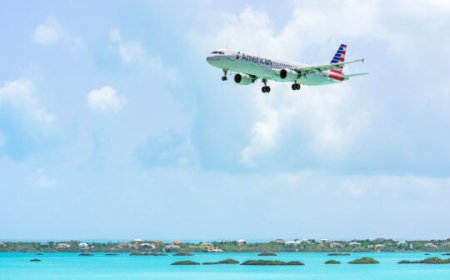
For US travellers: flights to Virgin Islands or to Tortola (Terrance B. Lettsome Airport) or British Virgin Islands often have deals outside peak season. Use price alerts from Google Flights/Skyscanner.
Possibly fly to a nearby hub (Puerto Rico, St Thomas) and ferry across if cheaper.
Pack light to avoid checked-baggage fees, especially if using small regional flights or charters.
Shared airport transfers or public ferries rather than private taxis.
Tip: Book early, but also monitor last-minute deals for flights during shoulder season. Use points/miles if available.
17. Last-minute & fill-in charter deals
Some charter companies offer what are called “dead-leg” or “fill-in” discounts: if a yacht has unsold days before/after a booked charter, they may offer reduced rates to fill these slots.
Utilise brokers or charter platforms that list last-minute specials.
If you’re flexible on boat size, start date and end date you can significantly reduce charter cost.
Tip: Set email alerts for charter specials in the Virgin Islands region and be ready to move quickly.
18. Limitations & realistic expectations
Even a budget sailing trip has non-negligible costs: yacht charter + provisioning + marina/anchor fees + transport + food. Don’t expect ultra-low costs like backpack hostel level.
Many cost savings require flexibility (on dates, route, boat size) and a willingness to self-cater and self-organise.
Some islands/marinas have fewer budget options; remote anchoring may involve additional planning.
Weather risk: low season means potential for more rain/wind; sailing days may reduce if weather intervenes.
Group size matters: a group of two will pay more per person than a group of four or six if the charter cost is fixed.
Sailing the Virgin Islands doesn’t have to be exclusively a high-end luxury experience. With thoughtful planning, flexibility, group sharing, smart provisioning, and off-peak timing, you can create a memorable sailing trip that remains within budget. By focusing on essential experiences of the sun, sea, islands, anchorage and snorkelling and minimising unnecessary extras, you capture the core of what makes the Virgin Islands special.
Bottom line: Budget sailing in the Virgin Islands is fully feasible. It requires stepping away from the “resort-style all-luxury” mindset and instead choosing smart options, sharing costs, and embracing the island lifestyle. If you’re ready to craft your trip with these hacks, you can sail, explore and enjoy the Virgin Islands without blowing your budget.
What's Your Reaction?
 Like
0
Like
0
 Dislike
0
Dislike
0
 Love
0
Love
0
 Funny
0
Funny
0
 Angry
0
Angry
0
 Sad
0
Sad
0
 Wow
0
Wow
0