

























Hot Markets for Property Investors: Provo and Turks and Caicos
Provo, short for Providenciales, stands as the most developed island in the Turks and Caicos archipelago. This 38-square-mile island has transformed into a major investment destination over the past decade, attracting both international buyers and savvy real estate investors.

Understanding the Appeal of Provo

Provo, short for Providenciales, stands as the most developed island in the Turks and Caicos archipelago. This 38-square-mile island has transformed into a major investment destination over the past decade, attracting both international buyers and savvy real estate investors.
Population and Growth Dynamics
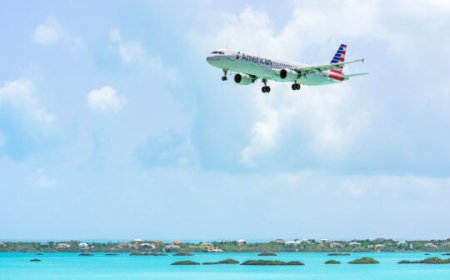
The island's population sits at approximately 23,000 residents, with steady growth driven by tourism and expatriate workers. The airport handles over 1 million passengers annually, indicating strong visitor demand that directly impacts rental property performance.
Economic Fundamentals
Turks and Caicos operates with no income tax, no capital gains tax, and no property tax. The British Overseas Territory uses the US dollar as its official currency, eliminating exchange rate risks for American investors. The government maintains stable policies that favor property ownership by foreign nationals.
Current Market Conditions in Provo
Price Ranges and Property Types
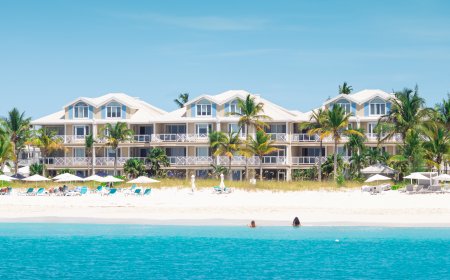
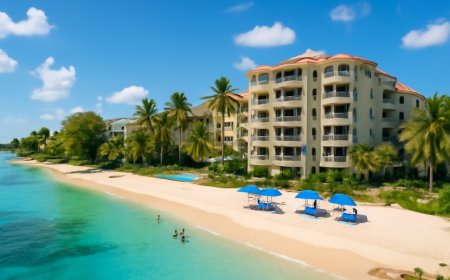
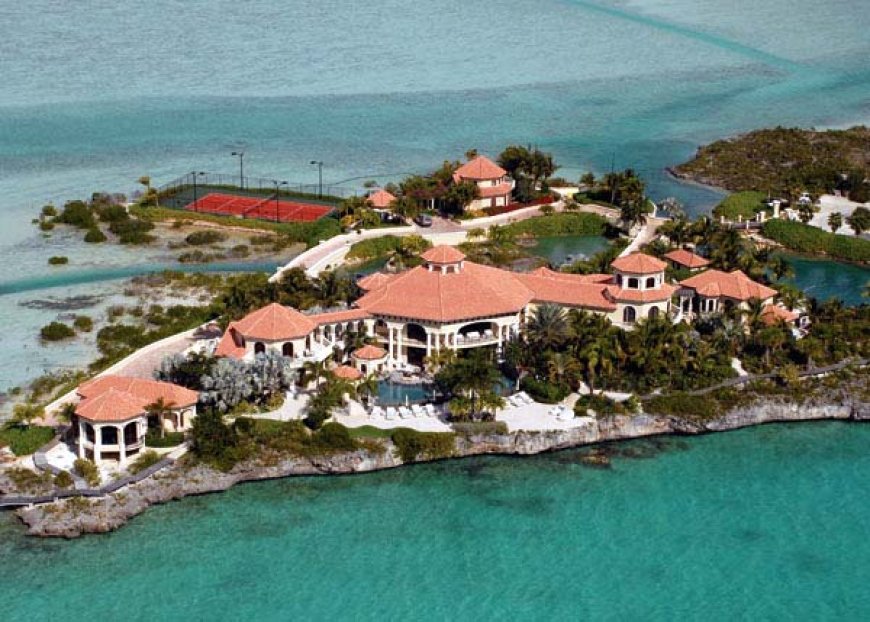
Beachfront condos currently start around $500,000 for one-bedroom units, while two and three-bedroom options range from $800,000 to $2 million. Luxury villas on Grace Bay Beach command $3 million to $20 million, depending on size and location.
Inland properties offer more affordable entry points, with condos starting at $250,000 and single-family homes from $400,000. These properties typically sit 10-15 minutes from the beach but still generate solid rental income.
Rental Market Performance
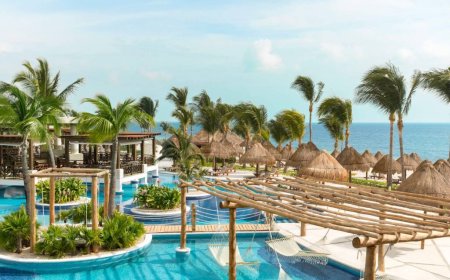
Grace Bay Beach consistently ranks among the world's best beaches, driving year-round tourism. Short-term rental properties generate average annual returns of 5-8% before expenses. Peak season runs from December through April, when nightly rates for a two-bedroom condo can reach $600-$1,200.
Many condo developments offer rental management programs that handle bookings, maintenance, and guest services. These programs typically charge 25-35% of rental income but provide hands-off investment options for absentee owners.
Key Investment Zones in Providenciales
Grace Bay
This 3-mile stretch of white sand beach represents the premium investment zone. Properties here maintain the highest values and strongest rental demand. New condo developments sell out quickly, often during pre-construction phases.
The area offers direct beach access, proximity to restaurants and shops, and the most established tourism infrastructure on the island. Resale properties rarely stay on the market longer than 6-12 months at fair pricing.
Leeward
Located on the eastern end of the island, Leeward provides calmer waters ideal for families with children. Properties here cost 10-20% less than comparable Grace Bay units while still offering beachfront access.
The Leeward Marina and nearby Princess Alexandra National Park add recreational value. This area has seen increased development activity, with several new condo projects breaking ground in 2024.
Long Bay
This emerging market on the southeastern coast attracts kitesurfers and water sports enthusiasts. Shallow waters and consistent wind create ideal conditions for these activities. Properties cost 30-40% less than Grace Bay equivalents.
Long Bay suits investors targeting longer-term rentals or those seeking appreciation potential as the area develops. The government recently approved infrastructure improvements for this zone, including road expansions and utility upgrades.
Turtle Cove
This marina district offers a different investment profile focused on canal-front properties with boat docks. Prices range from $600,000 to $3 million for homes with direct ocean access via the marina system.
The area attracts fishing enthusiasts and boaters who value water access over beach proximity. Restaurants and marine services cluster around the marina, creating a self-contained community.
Investment Structures and Regulations
Foreign Ownership Process
Non-citizens can purchase property freely in Turks and Caicos. The government requires a 6.5% stamp duty on purchases under $500,000 and 10% on amounts above that threshold. Annual property fees run approximately $1,000 per year for condos and vary for single-family homes based on land size.
Buyers need approval from the Investment Review Committee for properties located on certain beaches or exceeding specific acreage. This process typically takes 4-6 weeks and rarely results in denial for standard residential purchases.
Financing Options
Local banks offer mortgages to foreign buyers, typically requiring 30-40% down payments. Interest rates currently range from 6-8%, with terms up to 20 years. Many investors choose cash purchases to avoid financing complications and strengthen negotiating positions.
Some developers provide seller financing during pre-construction phases, requiring 20-30% down with the balance due at closing. This arrangement allows investors to lock in prices during the construction period.
Market Challenges and Considerations
Hurricane Risk
Turks and Caicos sits in the Atlantic hurricane belt. The islands experienced significant damage from Hurricane Irma in 2017, though most structures have since been rebuilt to stricter building codes. Insurance costs run $3,000-$8,000 annually for a typical condo, depending on coverage levels and hurricane deductibles.
Properties built after 2018 must meet enhanced wind resistance standards, including impact-resistant windows and reinforced roof structures. These improvements have reduced insurance costs for newer buildings by 15-25% compared to older properties.
Limited Supply and High Demand
The government restricts development density to preserve the island's character. This policy limits new construction and supports property values but also means inventory shortages during peak buying seasons.
Pre-construction purchases often require quick decisions, as desirable units sell within weeks of project announcements. Investors need established relationships with local real estate agents to access off-market opportunities.
Operating Costs
Condo fees typically range from $0.50 to $1.50 per square foot monthly, covering exterior maintenance, insurance, security, and amenities. A 1,200-square-foot unit might incur $600-$1,800 monthly in association fees.
Utility costs run higher than mainland US rates, with electricity averaging $0.40 per kilowatt-hour. Water desalination and importation drive costs up, though most condos include these expenses in association fees.
Comparing Provo to Other Caribbean Markets
Advantages Over Competing Destinations
Provo maintains political stability as a British Overseas Territory with well-established property rights. The legal system follows British common law, providing clarity and predictability for investors.
Direct flights from major US cities take 2-4 hours, making the island accessible for property inspections and personal use. Miami sits just 90 minutes away, while New York and Boston require 3-hour flights.
The absence of income and capital gains taxes provides significant advantages over destinations like the Bahamas or Cayman Islands, where various fees and taxes can reduce net returns.
Market Liquidity
Provo's real estate market shows reasonable liquidity for Caribbean standards. Well-priced properties in prime locations typically sell within 6-12 months. Off-season periods see slower activity, but quality listings maintain buyer interest year-round.
The market lacks the speculative volatility seen in some Caribbean destinations, with steady appreciation averaging 3-5% annually over the past decade. This stability attracts long-term investors rather than short-term flippers.
Future Development and Growth Projections
Infrastructure Investments
The government allocated $150 million for infrastructure improvements through 2026, including airport expansion, road improvements, and utility system upgrades. The airport expansion will add capacity for larger aircraft and more international routes.
A new hospital facility opened in 2023, addressing healthcare concerns that previously deterred some investors and residents. The 120-bed facility includes emergency services and specialized care previously unavailable on the island.
Tourism Sector Expansion
Several luxury hotel brands announced Provo developments for 2025-2027, including properties from major international chains. These additions will increase room inventory by approximately 800 units, supporting demand for vacation rentals and dining establishments.
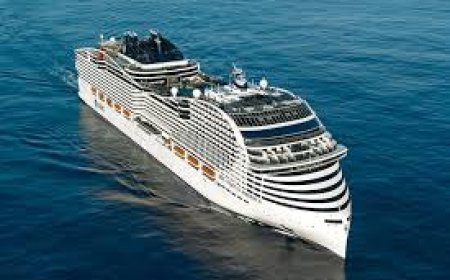
The cruise terminal expansion project will accommodate larger ships starting in 2026, potentially bringing an additional 500,000 visitors annually. This increase should boost retail and restaurant sectors while creating more short-term rental demand.
Residential Development Pipeline
Over 2,000 residential units currently sit in various development stages, from planning to construction. Grace Bay and Leeward account for the majority of this pipeline, with projects ranging from mid-market condos to ultra-luxury estates.
Pre-construction pricing for 2025-2026 delivery shows 15-25% discounts compared to completed comparable properties, offering investors potential appreciation before occupancy.
Practical Steps for Investors
Due Diligence Requirements
Hire a local attorney experienced in Turks and Caicos property law. Legal fees typically run $3,000-$5,000 for straightforward transactions. Attorneys conduct title searches, verify property boundaries, and ensure proper documentation.
Survey properties before purchase to confirm boundaries and identify any encroachments or easements. Survey costs range from $1,500-$3,000 depending on property size and complexity.
Building Inspection Priorities
Engage qualified inspectors to assess structural integrity, particularly for resale properties. Focus on hurricane-related damage, foundation issues, and potential water intrusion problems. Inspection costs run $500-$1,000 but can identify expensive problems before closing.
Check condo association financial statements and reserve funds. Well-managed associations maintain reserves of 25-50% of annual operating budgets for major repairs and storm damage not covered by insurance.
Property Management Selection
Interview multiple management companies before committing. Compare commission rates, service offerings, and marketing strategies. Request references from current clients and check online reviews.
Top management companies maintain occupancy rates of 60-75% annually for well-located properties. Lower-tier managers may achieve only 40-50% occupancy, significantly impacting investment returns.
Tax Planning for International Investors
US Tax Implications
American investors must report worldwide income, including Provo rental income, on their US tax returns. The absence of local income tax means no foreign tax credits, but rental expenses including depreciation reduce taxable income.
US estate taxes apply to American citizens regardless of property location. Properties exceeding estate tax exemption amounts may face 40% federal estate taxes. Proper structuring through trusts or corporate entities can provide planning opportunities.
Canadian Investor Considerations
Canadian tax residents must report global income including Caribbean rental properties. Canada's tax treaty with the UK (applicable to British Overseas Territories) prevents double taxation but requires proper documentation and filing.
Currency exchange between Canadian dollars and US dollars adds complexity to returns calculations and tax reporting. Investors should maintain detailed records of exchange rates at transaction dates.
Making the Investment Decision
Provo offers a compelling combination of factors for real estate investors: political stability, tax advantages, strong rental demand, and limited supply. The market suits investors seeking steady appreciation and rental income rather than quick flips or speculative gains.
Success requires realistic expectations about returns, operating costs, and time horizons. Direct flights and modern infrastructure make property management more feasible than many Caribbean alternatives, but this remains a market requiring active oversight or reliable management partners.
The island's commitment to controlled development and environmental preservation should support property values long-term while maintaining the pristine conditions that drive tourism demand. For investors able to navigate the higher entry costs and willing to hold properties for 5-10 years or longer, Providenciales presents one of the Caribbean's more stable and transparent real estate markets.
What's Your Reaction?
 Like
0
Like
0
 Dislike
0
Dislike
0
 Love
0
Love
0
 Funny
0
Funny
0
 Angry
0
Angry
0
 Sad
0
Sad
0
 Wow
0
Wow
0