
























Hot Markets for Property Investors: Provo and Turks and Caicos
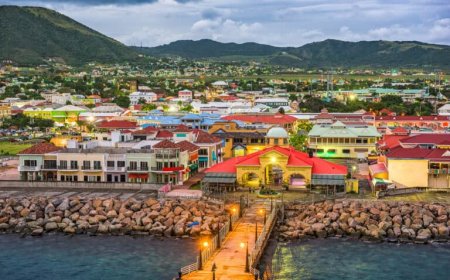
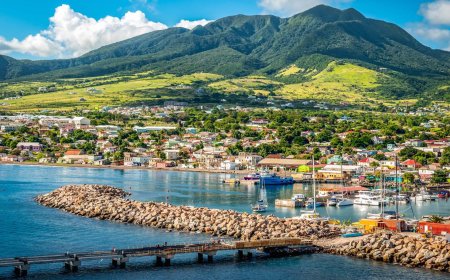
Turks and Caicos has emerged as one of the Caribbean's strongest real estate markets, with Providenciales (known locally as Provo) leading the charge. The island nation combines tax advantages, political stability, and growing tourism numbers to create conditions that attract investors from North America, Europe, and beyond. Understanding the current market dynamics, legal framework, and investment opportunities helps potential buyers make informed decisions in this competitive landscape.

Market Overview and Recent Trends

Provo's real estate market has experienced substantial growth over the past decade. Property values in prime beachfront areas have increased by 8-12% annually since 2020, outpacing many other Caribbean destinations.
The pandemic accelerated interest as remote workers and second-home buyers sought locations offering both lifestyle amenities and investment potential.
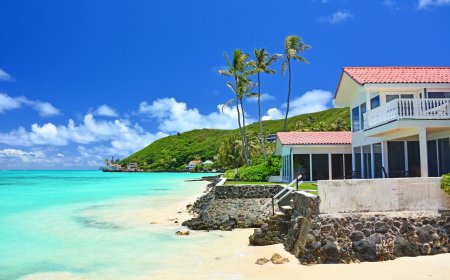
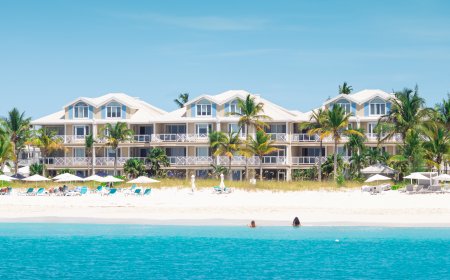
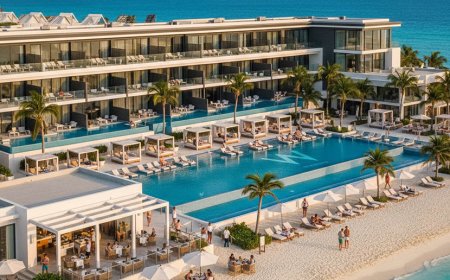
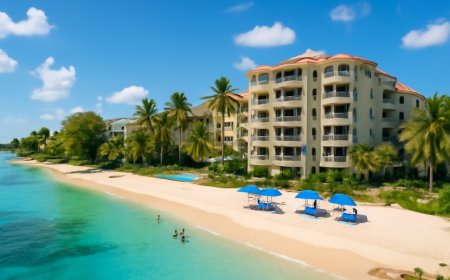
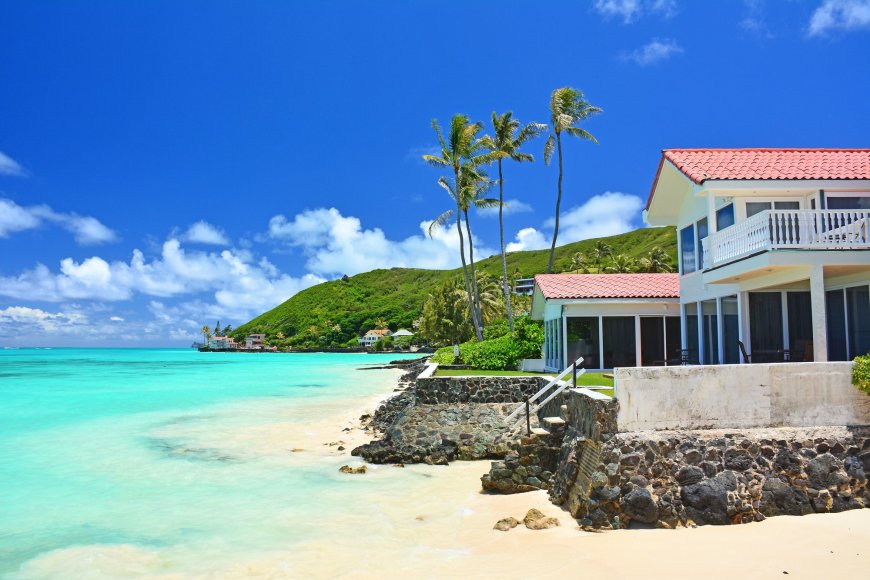
Grace Bay, consistently ranked among the world's best beaches, anchors the high-end market. Beachfront properties here now start around $3-4 million for modest homes, while luxury estates command $10-30 million. Oceanfront condominiums typically range from $1.5-5 million depending on size, finishes, and specific location.
Why Investors Choose Turks and Caicos
Tax advantages top the list of investor motivations. Turks and Caicos imposes no income tax, capital gains tax, property tax, inheritance tax, or corporate tax on residents or property owners. This creates significant savings compared to most developed nations. Property owners pay an annual stamp duty rather than traditional property taxes, calculated as a small percentage of property value.
Political stability distinguishes Turks and Caicos from some Caribbean neighbors. As a British Overseas Territory, the islands operate under British common law with stable governance and reliable legal systems. The currency, the US dollar, eliminates exchange rate risk for American investors and provides stability for others.
Tourism growth drives rental income potential. The islands welcomed approximately 500,000 visitors in 2023, a significant increase from pre-pandemic levels. Visitors spend an average of 7-10 days, longer than many Caribbean destinations, and the islands attract an affluent demographic with high daily spending rates.
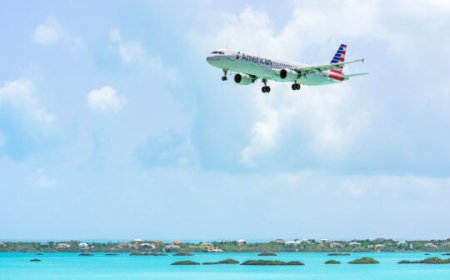
Direct flights from major North American cities make the islands easily accessible. Multiple daily flights connect Provo to Miami, New York, Charlotte, Atlanta, Boston, and Toronto. Flight times from the US East Coast run 2-3.5 hours. This accessibility supports both vacation rental operations and personal use for property owners.
Infrastructure improvements continue expanding. The Providenciales International Airport completed a major expansion in 2022, increasing capacity and improving facilities. Road networks have expanded, utilities have become more reliable, and telecommunications infrastructure now supports high-speed internet throughout most developed areas.
Key Investment Areas on Providenciales
Grace Bay remains the premier location. This three-mile stretch of beach hosts the highest concentration of luxury resorts, restaurants, and amenities. Properties here command premium prices but offer the strongest rental potential and most reliable appreciation. Condominium developments like The Regent Grand, West Bay Club, and The Palms dominate this area, while standalone villas occupy both beachfront and canal-front lots.
Leeward sits adjacent to Grace Bay and offers slightly lower entry prices while maintaining beach access and upscale character. This area has seen significant development in recent years, with new condominium projects and villa communities attracting buyers seeking Grace Bay proximity without Grace Bay prices. Properties here typically cost 15-25% less than comparable Grace Bay locations.
Long Bay appeals to kiteboarders and water sports enthusiasts. The shallow, expansive beach creates ideal conditions for these activities, attracting a younger, active demographic. Property prices run lower than Grace Bay, making this area popular with buyers seeking larger lots or more affordable entry points. Several new developments have launched here since 2020.
Turtle Tail provides canal-front properties with boat access but no direct beach frontage. This peninsula attracts boating enthusiasts and investors seeking larger lots at lower prices than beachfront alternatives. Many properties include private docks, and the area offers good rental potential to visitors prioritizing water activities over beach proximity.
Chalk Sound features stunning turquoise waters dotted with small rocky islands. This area has traditionally offered more affordable options, though prices have risen substantially. The lack of swimming beaches limits some tourist appeal, but the unique landscape and developing infrastructure continue attracting investment.
Blue Mountain and other inland areas provide the most affordable entry points. These neighborhoods sit 10-20 minutes from beaches and lack water views, but they offer opportunities for smaller investors or those targeting local rental markets rather than vacation rentals.
Investment Property Types
Beachfront villas represent the premium tier. These properties, particularly in Grace Bay and Leeward, generate strong rental income during peak season (December-April) when weekly rates can reach $15,000-50,000 depending on size and amenities. Annual rental income on well-managed beachfront villas typically runs 5-8% of property value, though expenses including management, maintenance, and insurance reduce net returns to 3-5%.
Luxury condominiums offer lower maintenance requirements and often include resort amenities like pools, restaurants, and concierge services. Many developments operate under hotel licensing, allowing owners to participate in rental programs. These properties appeal to investors wanting passive income without direct management responsibilities. Typical rental yields run 4-6% of purchase price before expenses.
Canal-front properties cost significantly less than beachfront while still offering water access. These homes attract boating enthusiasts and can generate reasonable rental income, though demand runs lower than beachfront properties. Investors often purchase these for personal use with supplemental rental income rather than as pure investment plays.
Development land has appreciated rapidly. Beachfront lots now rarely come available, and when they do, prices start around $2-4 million for standard lots. Canal-front lots range from $400,000-1.5 million depending on location and size. Inland lots with no water features start around $100,000-300,000 in developed areas.
Fractional ownership programs have emerged as an alternative to whole ownership. Several developments now offer quarter, eighth, or even smaller shares, reducing entry costs while providing guaranteed usage periods. These programs work well for buyers wanting vacation access without full property management responsibilities, though resale markets for fractional interests remain limited.
Legal Framework and Purchase Process
Foreign buyers face no restrictions on property ownership in Turks and Caicos. The process mirrors British property law, providing familiar procedures for Commonwealth buyers while remaining straightforward for others.
Stamp duty represents the primary purchase cost beyond the property price. Buyers pay 6.5% on properties under $500,000, and 10% on values exceeding $500,000. This substantial upfront cost affects investment calculations significantly. A $2 million property incurs $200,000 in stamp duty, while a $5 million property costs $500,000.
Legal representation is mandatory. Attorneys handle title searches, verify ownership, manage closing procedures, and ensure proper registration. Legal fees typically run 1-2% of purchase price. Using experienced local attorneys familiar with Turks and Caicos property law is essential.
Due diligence should include thorough title verification, survey confirmation, and checking for liens or encumbrances. The land registry system in Turks and Caicos is generally reliable, but proper verification protects against potential issues.
Financing options exist but remain limited compared to major markets. Several local and international banks offer mortgages to foreign buyers, typically requiring 30-40% down payments and offering 15-20 year terms. Interest rates generally run 2-3% above US prime rates. Many investors purchase with cash given the higher borrowing costs and complexity.
Closing timeline usually runs 60-90 days from offer acceptance to completion. This allows time for due diligence, financing arrangements if needed, and administrative processing.
Ongoing Costs and Considerations
Annual stamp duty replaces traditional property taxes. Owners pay 0.5% of property value annually for properties under $500,000, and 0.75% for properties exceeding $500,000. A $3 million property incurs $22,500 annually in this duty.
Insurance costs run high due to hurricane risk. Annual premiums typically range from 0.5-1.5% of property value depending on construction type, location, and coverage levels. Wind and hurricane coverage is mandatory for financed properties and advisable for all coastal properties.
Utilities cost more than North American averages. Electricity runs $0.35-0.45 per kilowatt-hour, roughly triple US rates. Water, largely produced through desalination, is expensive. Most properties use cisterns to collect rainwater, supplemented by trucked water when needed. Monthly utility costs for a typical vacation villa run $500-1,500.
Property management fees for rental properties typically run 25-35% of gross rental income. These fees cover marketing, guest communications, maintenance coordination, and financial reporting. Some full-service management companies charge flat monthly fees instead, usually $2,000-5,000 depending on property size and services included.
Maintenance costs in the tropical, salt-air environment run higher than temperate climates. Annual maintenance typically costs 1-2% of property value. Hurricane preparedness, pool maintenance, air conditioning service, and general wear from the environment drive these expenses.
Homeowners association fees in condominium developments range from $500-2,000+ monthly depending on amenities and building size. These fees cover common area maintenance, security, insurance for shared spaces, and amenities like pools and fitness centers.
Rental Market Dynamics
Peak season (mid-December through mid-April) generates the bulk of annual rental income. Properties can achieve 80-95% occupancy during these months with premium nightly rates. A four-bedroom beachfront villa might rent for $2,000-4,000 nightly during peak season.
Shoulder seasons (November-early December and mid-April-May) see lower demand but still generate income at reduced rates, typically 40-60% of peak rates. Summer months (June-October) present the biggest challenge, with hurricane season dampening demand. However, the islands have avoided major hurricane impacts since 2008, and growing numbers of travelers now visit year-round, improving summer occupancy.
Marketing requires professional management for optimal results. Most successful rental properties work with established management companies having proven marketing channels, booking systems, and guest service capabilities. Direct marketing through vacation rental platforms supplements management company efforts.
Guest expectations run high given the premium pricing. Properties must maintain excellent condition, offer modern amenities, and provide responsive service. Negative reviews can significantly impact future bookings in this competitive market.
Rental licensing requirements must be followed. Properties renting for periods under 90 days need tourist accommodation licenses from the Tourist Board. The licensing process involves inspections, fees, and ongoing compliance with safety and operational standards.
Market Challenges and Risk Factors
Hurricane exposure represents the most obvious risk. While Turks and Caicos has been fortunate in recent years, the islands sit in an active hurricane zone. A major hurricane could cause substantial property damage, disrupt tourism, and impact property values temporarily or permanently depending on severity.
High entry costs limit investor pools. The combination of premium property prices and 10% stamp duty creates barriers. A $3 million property purchase requires $3.3 million upfront, plus legal fees, inspections, and initial furnishing costs.
Limited year-round demand affects rental income predictability. Heavy reliance on peak season means investors face income concentration in a four-month period, creating cash flow challenges during slower months.
Infrastructure limitations occasionally create problems. Power outages occur periodically, water supply can face constraints during dry periods, and internet reliability, while improving, doesn't match developed nation standards in all areas.
Small local economy means limited diversification. Tourism drives virtually all economic activity. Any sustained downturn in travel or tourism preferences shifting to other destinations could significantly impact property values and rental income.
Development oversupply risk exists in some property types. Numerous condominium projects launched in recent years, and if development outpaces demand growth, rental rates and occupancy could suffer.
Climate change poses long-term questions about low-lying island nations. Rising sea levels, changing weather patterns, and increased hurricane intensity could affect property values, insurance availability, and long-term viability of coastal developments.
Financing and Returns Analysis
Realistic return expectations help investors evaluate opportunities properly. Gross rental yields on beachfront properties typically run 5-7% annually, meaning a $3 million property might generate $150,000-210,000 in annual rental income.
From gross income, subtract:
1.Management fees (25-35%): $37,500-73,500
2.Maintenance and repairs (1-2%): $30,000-60,000
3.Utilities during occupancy: $6,000-18,000
4.Insurance (0.75-1.25%): $22,500-37,500
5.Annual stamp duty (0.75%): $22,500
6.HOA fees if applicable: $6,000-24,000
7.Marketing and miscellaneous: $5,000-15,000
Net rental income after expenses typically runs 1.5-3.5% of property value, or $45,000-105,000 on a $3 million property. This assumes good occupancy and effective management.
Appreciation provides the other return component. Historical appreciation of 6-10% annually in prime areas means that the same $3 million property might gain $180,000-300,000 in value annually, though past performance doesn't guarantee future results.
Combined returns of 7.5-13.5% (net rental yield plus appreciation) can make these investments attractive, particularly when considering tax advantages. However, investors should plan for variability, with some years producing minimal appreciation or even slight declines during broader economic downturns.
Comparing Provo to Other Caribbean Markets
Cayman Islands offers similar tax advantages and political stability but higher entry costs. Prime Cayman properties typically cost 30-50% more than comparable Turks and Caicos properties. Cayman's larger financial services sector diversifies the economy beyond pure tourism.
Bahamas provides easier access from Florida and more developed infrastructure in Nassau and Paradise Island. However, property taxes exist in Bahamas, and some areas face higher crime rates than Turks and Caicos. The Bahamas offers more options at various price points across numerous islands.
The British Virgin Islands shares British Overseas Territory status and tax advantages. However, Hurricane Irma in 2017 devastated much of the territory, and recovery has been slow. Property values dropped significantly and haven't fully recovered in many areas.
The US Virgin Islands allows Americans to maintain closer ties to US systems while offering tax incentives through programs like the Economic Development Commission. However, infrastructure challenges persist, and hurricane impacts have been severe in recent years.
The Dominican Republic offers dramatically lower entry costs but lacks the tax advantages, political stability, and affluent tourist base of Turks and Caicos. Rental yields can be higher percentage-wise, but absolute income levels run lower.
Turks and Caicos occupies a unique position combining tax advantages, stability, luxury market focus, and manageable size that creates strong fundamentals for the right investor profile.
Future Outlook and Development Pipeline
Several major projects are reshaping Provo's landscape. The Ritz-Carlton Reserve is under development on Long Bay Beach, adding ultra-luxury accommodations and residences. Shore Club, a major mixed-use development in Long Bay, opened its resort component in 2022 and continues building residential units.
The Alexandra Resort expansion and several Grace Bay area projects continue adding inventory. This development activity signals developer confidence but also raises questions about absorption capacity.
Infrastructure improvements continue. The government has prioritized road improvements, utility upgrades, and healthcare facility expansion. A new hospital opened in 2022, addressing one of the islands' longstanding weaknesses.
Direct flight additions keep expanding accessibility. Several airlines have added or increased service since 2020, with more routes under consideration. Improved connectivity from Europe could open new source markets for both tourism and property sales.
Cruise ship facilities on Grand Turk generate debate. Increased cruise tourism brings economic activity but potentially threatens the exclusive, upscale image that drives high-end real estate demand. Balancing accessibility with exclusivity remains an ongoing challenge.
Climate change adaptation will require attention. Sea level rise projections suggest potential impacts on low-lying coastal areas within coming decades. Building codes have strengthened, and new developments increasingly incorporate climate resilience features.
Practical Steps for Prospective Investors
Visit multiple times before purchasing. See properties during both peak and off-season to understand the full market dynamic. Spend time in different areas to identify which location matches your goals and preferences.
Define clear objectives before searching. Determine whether you prioritize personal use, rental income, appreciation potential, or some combination. These priorities drive location choice, property type, and acceptable price ranges.
Work with experienced local professionals. Engage real estate agents specializing in investor properties, attorneys familiar with foreign buyer transactions, and property managers with proven track records. The small market means reputations matter significantly.
Analyze comparable rentals thoroughly. Review actual rental histories, occupancy rates, and expense data from similar properties. Marketing projections from developers or sellers often prove optimistic.
Inspect properties carefully. The tropical environment accelerates deterioration. What appears cosmetically acceptable may require substantial near-term investment. Hire qualified inspectors for significant purchases.
Plan for hurricanes. Understand insurance requirements, deductibles, and exclusions. Have contingency plans for property protection and potential evacuation. Budget for storm preparations and potential damage not covered by insurance.
Consider management before buying. Identify property management options before closing. Limited management company capacity in peak times means some properties struggle to find qualified managers.
Understand exit strategies. Resale timelines can extend 12-24 months in normal conditions, longer during downturns. Plan for longer holding periods and avoid overleveraging.
Conclusion
Providenciales and Turks and Caicos offer compelling opportunities for real estate investors combining financial returns with lifestyle benefits. The tax advantages, political stability, and strong tourism market create fundamentals supporting property values and rental income. However, high entry costs, hurricane exposure, and premium ongoing expenses mean these investments suit specific investor profiles rather than universal application.
Successful investors in this market typically have substantial capital allowing cash purchases or minimal financing, time horizons of 7-10 years or longer, tolerance for income variability, and appreciation for the personal use benefits alongside financial returns. Those approaching the market with realistic expectations, thorough due diligence, and quality professional support find opportunities to build wealth while enjoying one of the Caribbean's most beautiful destinations.
The market's momentum continues into 2025, with strong demand from North American buyers driving activity. Whether this pace continues long-term depends on broader economic conditions, tourism trends, and how well the islands manage growth while maintaining the exclusive character that makes them attractive. For now, Provo remains one of the Caribbean's hottest property markets.
What's Your Reaction?
 Like
0
Like
0
 Dislike
0
Dislike
0
 Love
0
Love
0
 Funny
0
Funny
0
 Angry
0
Angry
0
 Sad
0
Sad
0
 Wow
0
Wow
0