




























Best Caribbean Real Estate Opportunities: From Antigua to Nevis
The Caribbean real estate market is shaped by two clear forces: a sustained rebound in tourism that is driving demand for short-term rentals and a steady stream of international buyers attracted by residency and citizenship options. This article walks you through the strongest opportunities from Antigua to Nevis, the practical rules that affect purchases, and what investors should check before they buy.

Snapshot: why the Caribbean now (short, factual)

1.Tourism and visitor numbers have rebounded across the Eastern Caribbean in the past 18–24 months, improving rental demand and occupancy for vacation properties.
2.Several islands continue to offer Citizenship-by-Investment (CBI) routes tied to approved real-estate purchases; those programs affect pricing, holding periods, and buyer demand.
3.Luxury and turnkey properties remain in demand buyers increasingly want move-in-ready homes and professionally managed rental setups. Market commentary from specialist brokers notes this trend.
Antigua and Barbuda best for rental income and established CBI options
What to look for:
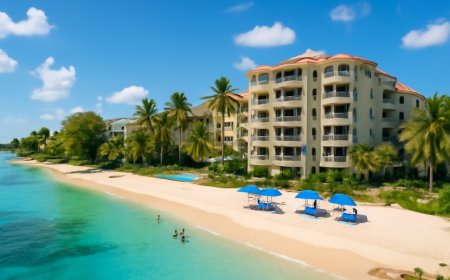
1.Prime coastal villas and condo developments around English Harbour, Dickenson Bay, and Jolly Harbour. These areas have strong short-let occupancy during high season and steady year-round demand from returning guests.
2.CBI and legal facts:
Antigua and Barbuda’s CBI program allows real-estate investment as a route to citizenship; the minimum qualifying property investment for real-estate routes generally starts around USD 300,000 and comes with a holding requirement (varies by program terms). Always confirm the current minimum with an authorised agent before contracting.
3.Why it’s an opportunity:
Strong tourism rebound and established villa-rental infrastructure make Antigua attractive for investors looking for operational short-term income combined with potential capital appreciation. Local authorities and developers are actively marketing turnkey rental-ready properties for international buyers.
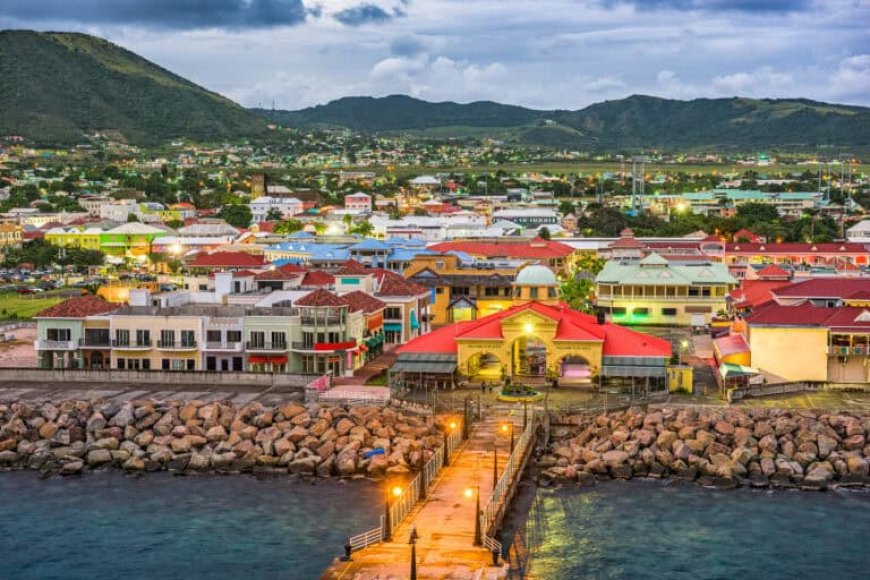
St. Kitts & Nevis best for CBI-linked investment and resale rules
What to look for
1.Approved CBI developments (condominiums and resort units) and smaller private estates on Nevis. Properties tied to the CBI program are listed by the government as eligible those drawing direct investor interest.
CBI and legal facts
2.Under the St. Kitts & Nevis real-estate route, the common minimum qualifying investment is USD 325,000 for approved developments; privately held single-family properties typically have higher minimums (for example USD 600,000 for some types). Properties bought under the program are usually subject to a holding period (commonly seven years) before resale to non-CBI buyers.
Why it’s an opportunity
3.CBI demand supports liquidity in approved developments and creates a steady buyer pool. Expect rental yields to be modest in mature markets (broadly reported at roughly 2-5% gross for established resort properties), but benefits can include strong resale demand in CBI-approved inventory.
Other islands to consider (quick guide)
Dominica and Grenada: Both offer competitive CBI options and lower entry price points in parts of their markets; good for buyers who want a combination of reduced entry cost and visa advantages.
Barbados and The Bahamas: More established luxury markets with higher price points but deep second-home demand and proven rental infrastructure. Knight Frank and similar brokers note continued interest in turnkey luxury assets.
Dominican Republic: Large market with value opportunities outside the typical island CBI structure; higher inventory and potentially higher rental yields in key tourism corridors.
Types of properties and expected performance
Turnkey villa (luxury): Higher capital outlay, lower management hassle if professionally managed; strong for long-term capital preservation in top locations.
Condo/resort unit (CBI eligible): Entry can be lower and resale may be easier when tied to CBI demand-but check holding periods and rental restrictions.
Land or undeveloped plots: Lower purchase price but require permitting, construction costs, and time; can provide larger returns where development and demand are strong.
Practical checklist before you buy
1.Confirm legal framework and restrictions foreign ownership rules vary by island; verify title, land classifications, and any leasehold vs freehold distinctions.
2.Verify CBI eligibility and holding period if you buy for a citzenshipi route, confirm the property is on the government-approved list and understand the minimum hold (Antigua commonly five years; St. Kitts often seven).
3.Request rental and occupancy data ask the seller or developer for recent occupancy rates, average nightly rates, and management fees. Independent verification with local managers is recommended.
4.Budget for additional costs closing fees, stamp duty, legal fees, property management, and any government or due-diligence charges related to CBI applications.
5.Perform a physical inspection and title search always use a local lawyer and licensed surveyor; ensure insurance options are available for hurricane and flood risk.
Risks and how to mitigate them
1.Weather and climate risk: Hurricanes and coastal erosion are real risks. Mitigate by choosing resilient construction, insurance, and elevated sites.
2.Regulatory changes: CBI thresholds, holding periods, and tax rules can change. Work with licensed CBI agents and local counsel to confirm up-to-date program rules before purchase.
3.Market concentration risk: Heavy reliance on short-term rentals can amplify seasonality; diversify by owning in proven rental locations or using mixed-use properties.
How to proceed (step-by-step)
1.Decide primary goal: citizenship, rental income, long-term capital growth, or a second home.
2.Shortlist islands and neighborhoods, then book site visits during high and low seasons to verify occupancy and access.
3.Engage a local real-estate lawyer, a licensed real-estate broker, and (if using CBI) a government-approved CBI agent.
4.Obtain independent valuations, confirm title and tax status, and review all contracts in writing.
5.Close with escrow, set up property management if needed, and register any CBI application only after transfer is complete (if seeking citizenship).
Caribbean real estate opportunities range from CBI-driven, government-approved resort units to higher-end turnkey villas and undeveloped land with development upside. The tradeoffs are clear: lower entry points and CBI benefits usually come with holding restrictions and resale conditions; luxury turnkey stock costs more but often delivers steadier serviceable income and buyer demand. Use local experts, confirm up-to-date CBI and ownership rules, and plan for weather and regulatory variability.
What's Your Reaction?
 Like
0
Like
0
 Dislike
0
Dislike
0
 Love
0
Love
0
 Funny
0
Funny
0
 Angry
0
Angry
0
 Sad
0
Sad
0
 Wow
0
Wow
0