





















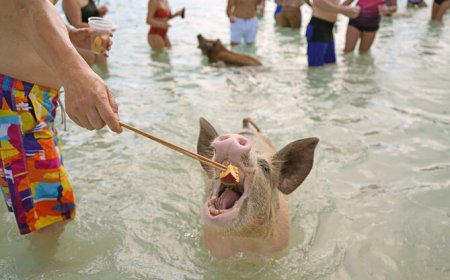
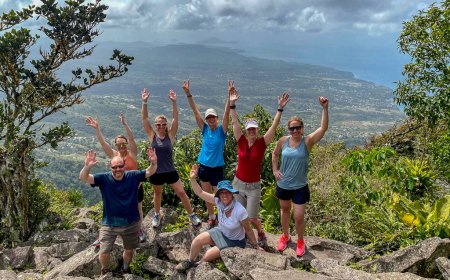

Exploring Animal Gardens and Exotic Wildlife in the Caribbean
The Caribbean islands host a remarkable array of wildlife parks, botanical gardens, and conservation centres that showcase both native species and exotic animals from around the world. These facilities serve multiple purposes: educating visitors about biodiversity, protecting endangered species, and offering close encounters with creatures ranging from tropical birds to big cats.

Major Wildlife Attractions Across the Islands

Jamaica leads the region with several prominent facilities. The Hope Zoo in Kingston, established in 1961, houses over 200 animals including Jamaican iguanas, crocodiles, and various bird species. The facility underwent significant renovations in recent years and now focuses heavily on conservation education. Meanwhile, Montego Bay's Doctor's Cave Beach area features several small animal exhibits, though the larger attractions remain in Kingston.
Dominican Republic offers the Parque Zoológico Nacional in Santo Domingo, one of the largest zoos in the Caribbean spanning 400 acres. The park contains over 2,000 animals representing more than 150 species, with a particular emphasis on Caribbean fauna. Visitors can see everything from flamingos and parrots to African lions and Bengal tigers in naturalistic enclosures. The park also operates breeding programs for endangered species.
Aruba hosts the Donkey Sanctuary, a unique facility caring for over 130 rescued donkeys. These animals once worked on the island but were abandoned when vehicles became common. The sanctuary allows visitors to interact directly with the donkeys, feed them, and learn about their history on the island. Additionally, the Philip's Animal Garden near the airport houses rescued exotic animals including ostriches, monkeys, and emus.
Birds and Avian Attractions
The Caribbean's bird populations draw significant attention. St. Lucia operates several parrot sanctuaries protecting the endangered St. Lucian parrot, which numbers fewer than 2,000 individuals. The Millet Bird Sanctuary Trail offers guided tours where visitors can spot these vibrant green and blue birds in their natural habitat.
Trinidad and Tobago stands out for birdwatching opportunities. The Asa Wright Nature Centre, located in the Arima Valley, sits on 1,500 acres of protected rainforest. The center records over 400 bird species, including the Trinidad motmot, tufted coquette hummingbird, and numerous species of tanagers and honeycreepers. The center also monitors populations of ocelots, agoutis, and spectacled caimans.
The Caroni Bird Sanctuary in Trinidad hosts the national bird, the scarlet ibis. Thousands of these brilliant red birds return to roost each evening, creating a spectacular display. Boat tours through the mangrove swamps provide the best viewing opportunities.
Marine Life Centers
Curaçao operates the Curaçao Sea Aquarium, which houses Caribbean reef fish, sea turtles, sharks, and rays. The facility runs a sea turtle conservation program and has successfully released hundreds of rehabilitated turtles back into the wild. Visitors can participate in animal encounters, including feeding programs for sea lions and swimming with dolphins in protected lagoons.
Bahamas features multiple dolphin encounter facilities. Blue Lagoon Island near Nassau offers swim programs where visitors interact with Atlantic bottlenose dolphins under trainer supervision. The facility also maintains a sea lion population and operates education programs about marine mammal biology and conservation.
The Atlantis Resort on Paradise Island houses one of the region's largest marine habitats, containing over 50,000 aquatic animals representing 250 species. The facility includes Caribbean reef exhibits, a touch tank with rays and small sharks, and multiple viewing tunnels that pass through massive aquariums.
Conservation-Focused Facilities
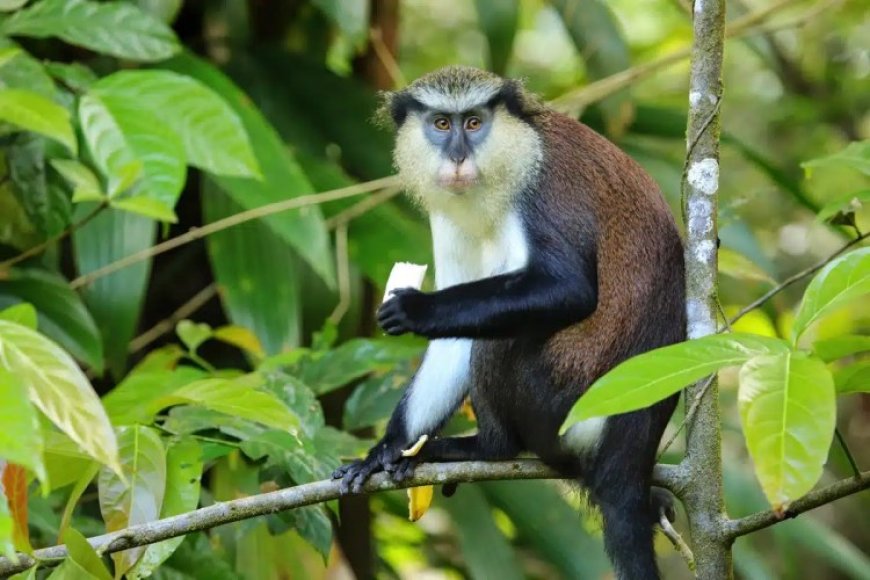
Barbados runs the Barbados Wildlife Reserve, a mahogany forest where green monkeys roam freely alongside red-footed tortoises, iguanas, and various bird species. The reserve focuses on rehabilitation and operates without cages for most animals, allowing visitors to walk among the wildlife on established paths.
The Graeme Hall Nature Sanctuary, also in Barbados, protects the island's last significant mangrove wetland. The sanctuary serves as a crucial stopover point for migratory birds traveling between North and South America. Over 200 bird species have been recorded at the site.
Cayman Islands operates the Cayman Turtle Centre, which breeds green sea turtles for both conservation and controlled consumption. The facility hatches approximately 8,000 turtles annually, with a portion released into the wild to supplement natural populations. The center sparked controversy among some conservation groups regarding its dual purpose, but operators maintain it reduces pressure on wild turtle populations.
Botanical Gardens with Wildlife Components
Many Caribbean botanical gardens integrate animal exhibits into their landscapes. St. Vincent's Montreal Gardens combines tropical plant collections with aviaries housing parrots, macaws, and other exotic birds. The 7.5-acre property includes natural trails where visitors encounter wild iguanas and various lizard species.
Puerto Rico's El Yunque National Forest, while not a traditional wildlife park, offers encounters with the endangered Puerto Rican parrot. The forest service operates observation points and education centers explaining recovery efforts for this critically endangered species, which dropped to just 13 wild individuals in 1975 but has since recovered to several hundred through intensive breeding programs.
Reptile and Amphibian Centers
Guadeloupe features the Jardin Botanique de Deshaies, which incorporates exhibits of local reptiles including iguanas and various snake species alongside its extensive plant collections. The garden spans 17 acres on the site of a former estate owned by French comedian Coluche.
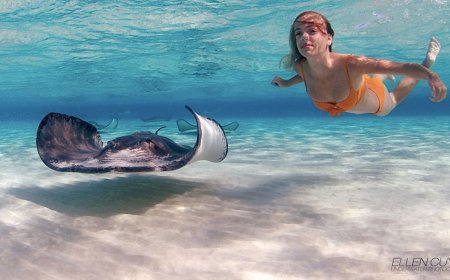
Antigua hosts Stingray City, where visitors wade into shallow waters to interact with southern stingrays that have become habituated to human presence. Marine biologists debate the long-term impacts of these feeding programs on ray behavior and health, but the attraction remains popular and operators maintain strict protocols to minimize negative effects.
Butterfly Houses and Insect Exhibits
Several islands operate butterfly gardens showcasing tropical species. Aruba's Butterfly Farm houses hundreds of butterflies representing species from around the world, including blue morphos from Central America and various Caribbean natives. The facility breeds butterflies on-site and maintains climate-controlled environments supporting year-round populations.
Jamaica operates a similar facility in Montego Bay where visitors walk through enclosed gardens as butterflies fly freely around them. Staff members provide information about butterfly lifecycles, migration patterns, and conservation challenges.
Conservation Challenges and Initiatives
Caribbean wildlife facilities face ongoing challenges. Hurricane damage poses a constant threat, with major storms destroying enclosures and sometimes killing animals. After Hurricane Dorian devastated the Bahamas in 2019, multiple facilities lost animals and required extensive rebuilding.
Funding remains another persistent issue. Many Caribbean nations have limited resources for wildlife conservation, making these facilities dependent on tourism revenue and international grants. The COVID-19 pandemic severely impacted operations when tourism stopped, forcing some facilities to reduce staff and animal populations.
Several organizations now coordinate conservation efforts across multiple islands. The Caribbean Bird Banding Network tracks migratory patterns, while the Wider Caribbean Sea Turtle Conservation Network coordinates protection efforts for marine turtles. These collaborative approaches help small island nations pool resources and expertise.
Visitor Information and Practical Considerations
Most Caribbean animal gardens operate year-round, though specific hours vary by season. Entrance fees typically range from $10 to $50 USD depending on the facility size and offerings. Many locations offer combination packages with other attractions or resort stays.
The best time to visit most facilities runs from December through April when weather conditions remain optimal and animal activity peaks. However, this period also brings larger crowds. Summer months offer fewer tourists but higher temperatures and increased rain chances.
Visitors should bring sun protection, comfortable walking shoes, and insect repellent. Many facilities include substantial outdoor walking, often in humid tropical conditions. Some locations provide shaded areas and rest stops, but preparing for heat and sun exposure remains essential.
Photography policies vary by location. Most facilities allow personal photography but restrict professional equipment or commercial use without prior arrangement. Some interactive programs prohibit cameras during direct animal contact for safety reasons.
Ethical Considerations
The Caribbean's animal attractions raise questions about appropriate wildlife interaction and captivity standards. Reputable facilities focus on conservation, education, and animal welfare, maintaining spacious enclosures, providing environmental enrichment, and employing trained staff. However, quality varies significantly across the region.
Organizations like the Global Federation of Animal Sanctuaries (GFAS) and the Association of Zoos and Aquariums (AZA) accredit facilities meeting specific standards, though many Caribbean locations operate without international certification. Visitors concerned about animal welfare should research facilities beforehand, looking for evidence of conservation programs, educational initiatives, and appropriate animal care.
Programs involving direct contact with wildlife, particularly dolphins and other marine mammals, generate ongoing debate within conservation communities. While these experiences generate revenue supporting conservation work, concerns exist about stress on animals and whether such interactions promote inappropriate attitudes toward wildlife.
Looking Forward
The future of Caribbean animal gardens increasingly focuses on conservation and education rather than pure entertainment. More facilities now participate in species survival programs, coordinate with international conservation organizations, and emphasize their role in protecting Caribbean biodiversity.
Climate change presents new challenges as rising temperatures and changing weather patterns affect both captive and wild animal populations. Several facilities have begun implementing climate adaptation strategies, including modified habitats and adjusted care protocols for heat-sensitive species.
The Caribbean's animal gardens and wildlife centers offer visitors meaningful encounters with tropical biodiversity while supporting conservation efforts for some of the world's most threatened species. As these facilities continue evolving, balancing tourism demands with animal welfare and conservation goals remains the central challenge facing operators throughout the region.
What's Your Reaction?
 Like
0
Like
0
 Dislike
0
Dislike
0
 Love
0
Love
0
 Funny
0
Funny
0
 Angry
0
Angry
0
 Sad
0
Sad
0
 Wow
0
Wow
0