
















Eco-Friendly All-Inclusive Options in Turks and Caicos for Sustainable Travel
Below is a focused, point-by-point guide to eco-minded all-inclusive and sustainability-forward stays in Turks and Caicos (2025). It gives current facts, concrete examples of properties and programs, certifications to watch for, and practical tips for booking a low-impact trip.

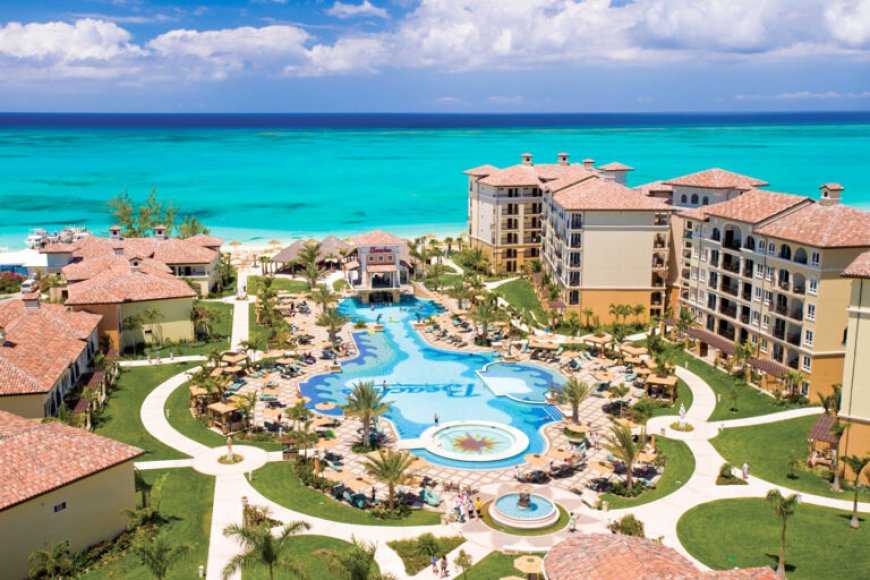
1. Why choose eco-friendly all-inclusive stays in Turks and Caicos

Turks and Caicos is home to fragile coral reefs, mangroves and dune systems choosing properties that reduce waste, conserve water and support reef protection helps protect those assets.
All-inclusive resorts can centralize sustainability action (waste systems, local procurement, guest education) so your travel impact is easier to manage.
Several resorts in the destination now run documented sustainability programmes (waste diversion, water efficiency, native landscaping and community partnerships).
2. Top all-inclusive / full-service options with clear sustainability work
(Notes: a few options below are traditional all-inclusive resorts; others are full-service luxury properties with strong sustainability credentials,both types can be appropriate depending on your travel priorities.)
A. Beaches Turks & Caicos family all-inclusive with sustainability programming
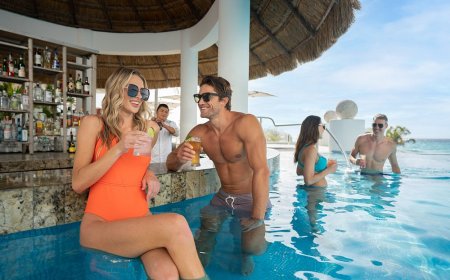
What it is: Large family-targeted all-inclusive resort on Grace Bay.
Sustainability highlights: on-site waste management and composting, education programmes for local students, elimination/reduction of single-use plastics and participation in external sustainability validation schemes. The resort runs local community engagement and waste-management tours for students.
Why pick it: If you want classic all-inclusive convenience plus visible, resort-wide sustainability initiatives and community outreach.
B. Club Med Turkoise : all-inclusive with third-party eco certification
What it is: All-inclusive resort model focused on activity and family/small-group travel (note: check exact property openings/closures for 2025 dates).
Sustainability highlight: Club Med Turkoise has achieved third-party recognition (Green Globe or equivalent) for waste, water and reef-protection partnerships and works with local reef funds.
Why pick it: Simple, activity-driven all-inclusive experience that also publishes its eco-policy and partners on reef conservation.
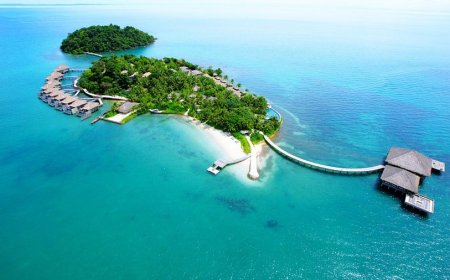
C. COMO Parrot Cay : luxury island resort with documented conservation work
What it is: Private-island style resort on Parrot Cay (luxury, not a mass all-inclusive brand).
Sustainability highlights: native land restoration, food-waste composting that supports island farms, water-conserving linen practices, native landscaping and sizeable minimally developed areas to protect wetlands and mangroves. COMO publicly details its sustainability programmes and community work.
Why pick it: If you want a high-service, low-footprint stay and value visible, long-term conservation practices : note this is not a standard “all-inclusive” package but offers full-service dining and wellness options.
D. Wymara Resort + Villas sustainability commitments at a Grace Bay property
What it is: Boutique/luxury resort on Grace Bay (typically room-and-board rather than classic all-inclusive).
Sustainability highlights: programmes to eliminate single-use plastics, energy and water conservation efforts, and public sustainability statements on their site.
Why pick it: Good middle path boutique luxury with visible sustainability actions; useful for travellers who want a full-service stay and smaller scale than giant resorts.
E. Emerging / intentionally eco projects- Salterra (South Caicos) and others
What it is: Newer developments and eco-focused properties are opening on less-visited islands (for example, a sustainability-focused project opened on South Caicos in 2025). These developments prioritize local hiring, lower-density builds and nature restoration.
Why pick it: For travellers who want fewer crowds and direct support to island economies with an explicit sustainability mission.
3. Certifications and practices to look for (quick checklist)
Third-party certification : EarthCheck / Green Globe / Blue Verified or equivalent. These indicate an external audit of sustainability claims.
Waste & composting systems : on-site food composting and food-waste diversion (reduces landfill and supports local agriculture).
Single-use plastic elimination : resort policy to remove single-use plastics from guest areas and back-of-house.
Native landscaping & water conservation : replacement of water-intensive lawns with native plants and linen programmes that reduce laundry water use.
Community engagement : guest education, local hiring, school programmes and reef-fund partnerships.
4. Practical tips for booking a low-impact all-inclusive trip
Ask explicitly: before booking, request the property’s latest sustainability report or policy and examples of recent actions (e.g., % food waste composted, plastic bans).
Prefer certified properties: certifications reduce the chance of greenwashing.
Travel light & reuse: bring a reusable water bottle and reef-safe sunscreen (helpful even if the resort supplies filtered water).
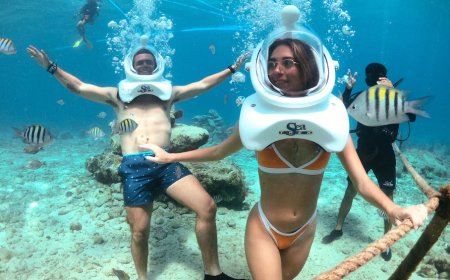
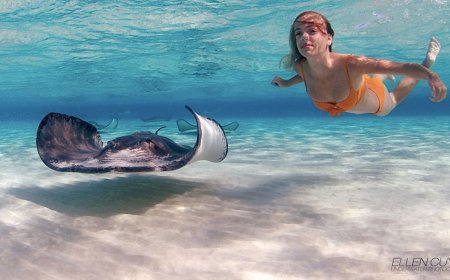
Select reef-friendly activities: choose operators that follow reef-safe guidelines, promote no-touch diving/snorkelling, and contribute to reef funds.
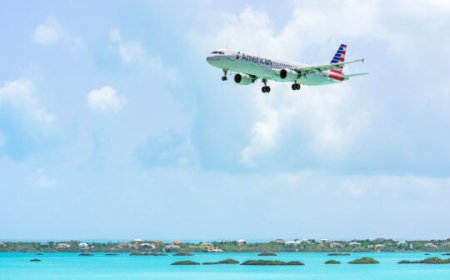
Offset or reduce flight emissions: favour direct flights where possible (less fuel burn) and check if the resort supports local conservation projects you can join. Note: direct flights to Providenciales increased in 2025 with new services from some U.S. hubs check schedules.
5. What counts as “all-inclusive” and why it matters for sustainability
All-inclusive can range from family mega-resorts (meals/drinks/activities included) to small luxury properties that bundle meals and activities.
Larger all-inclusive resorts can scale sustainability quickly (centralised waste systems, bulk procurement) but also create bigger footprints; boutique properties may have smaller footprints but fewer formal systems. Choose based on whether you prioritise scale (easier measurable programmes) or low density and community focus.
6. Community and reef partnerships to support
Many resorts partner with local reef funds and conservation NGOs to fund monitoring, coral restoration and marine education to check whether your chosen property supports the Turks & Caicos Reef Fund or similar. Resorts often publish these partnerships in their corporate responsibility pages.
7. Sample short itinerary (eco-minded, all-inclusive style)
Day 1: Arrive Providenciales; attend resort orientation that includes sustainability brief (many eco-forward resorts offer guest briefings).
Day 2: Guided reef-conscious snorkel with a certified operator; afternoon composting/farm tour at resort (if offered).
Day 3: Beach clean-up or community volunteer half-day (many resorts run or can arrange).
Day 4: Local culture day visit local food producers or markets to support local suppliers.
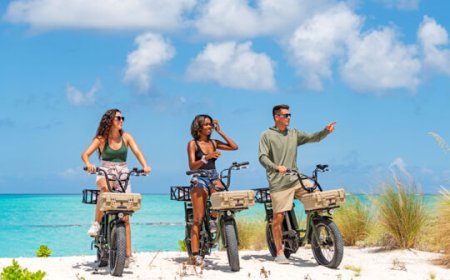
Day 5: Leisure day (choose low-impact activities: kayaking, paddleboarding) + departure.
8. Final considerations & how to choose
Define priorities: family convenience vs boutique low-density stay vs conservation-first property.
Check up-to-date operations: resort programmes evolve to verify 2025 operations and closures (some resorts have seasonal closures or renovations). For example, COMO Parrot Cay posts seasonal closure dates and updates on its sustainability pages.
Balance convenience and impact: an all-inclusive at Beaches or Club Med provides clear, audited sustainability programmes and community outreach; boutique options like COMO Parrot Cay and Wymara emphasize conservation and lower development density but may not be “all-inclusive” in the same way.
What's Your Reaction?
 Like
0
Like
0
 Dislike
0
Dislike
0
 Love
0
Love
0
 Funny
0
Funny
0
 Angry
0
Angry
0
 Sad
0
Sad
0
 Wow
0
Wow
0